Gemstones have long fascinated humanity with their beauty and mystique. Beyond their aesthetic appeal, these precious stones hold deep symbolic meanings that have captivated cultures throughout history. Understanding the symbolism behind gemstones can reveal insights into our own personalities and beliefs. In this article, we will explore the various interpretations and hidden meanings associated with 24 different gemstones, shedding light on the surprising symbolism that lies within your jewels.
Understanding Gemstone Symbolism
Gemstone symbolism has its roots in both history and culture. Throughout the ages, gemstones have been assigned different meanings and significance. By delving into the historical and cultural influences behind these interpretations, we can unlock a rich tapestry of symbolism.
The Historical Significance of Gemstones
Throughout ancient civilizations, gemstones held immense value and were treasured not only for their beauty but also for their perceived spiritual properties. The Egyptians, for instance, believed that gemstones carried protective energies and used them in amulets and talismans. They believed that wearing certain gemstones could bring good fortune and ward off evil spirits.
The Greeks, on the other hand, associated specific gemstones with their gods and goddesses. They believed that each gemstone had a divine connection and could enhance certain qualities or attributes. For example, they believed that wearing an amethyst, a purple gemstone, could help maintain a clear mind and prevent intoxication.
Similarly, the Romans also attributed symbolic meanings to gemstones. They believed that gemstones possessed healing properties and could be used to treat various ailments. They used gemstones in their jewelry and wore them as a form of protection and status symbol.
As time went on, gemstones continued to hold significance in different cultures and societies. In medieval Europe, gemstones were associated with various astrological signs and believed to influence a person's fate and destiny. Gemstones were also used in religious ceremonies and rituals, symbolizing purity, enlightenment, and divine connection.
Cultural Interpretations of Gemstones
Gemstone symbolism also carries cultural significance. Different cultures have imbued gemstones with diverse meanings based on their customs and beliefs. For example, in Chinese culture, the jade stone represents wisdom and harmony. It is believed to bring good luck, protect against negative energies, and promote balance and tranquility. Jade has been highly prized in Chinese society for centuries, and it is often used in traditional Chinese art and jewelry.
In Hinduism, the ruby is associated with passion and vitality. It is believed to enhance courage, confidence, and inner strength. The ruby is considered a powerful gemstone that can ignite the fire within and bring prosperity and success. It is often worn by individuals seeking to boost their energy levels and attract love and abundance into their lives.
These cultural interpretations provide fascinating insights into the many ways gemstones have influenced societies worldwide. They showcase the deep connection between gemstones and human beliefs, traditions, and aspirations. Whether used for spiritual purposes, personal adornment, or as symbols of status and power, gemstones continue to captivate and inspire people around the globe.
The Hidden Meanings Behind Popular Gemstones
Some gemstones have gained significant popularity over the years, and their symbolism has become widely recognized. Let's delve into the hidden meanings behind three of these popular gemstones:
The Symbolism of Diamonds
Diamonds have long been associated with wealth and status. However, their symbolism extends beyond material abundance. Diamonds are also said to represent clarity, strength, and spiritual enlightenment. Their dazzling beauty reflects the transformative power of light.
Furthermore, diamonds have been revered throughout history for their exceptional hardness. This attribute has led to the belief that diamonds possess protective qualities, shielding the wearer from harm and negative energies. In ancient times, warriors would embed diamonds into their armor to enhance their courage and invincibility on the battlefield.
Moreover, diamonds have been regarded as a symbol of eternal love and commitment. The tradition of giving diamond engagement rings dates back to ancient Rome, where they were seen as a token of unbreakable bonds.
The Meaning of Rubies
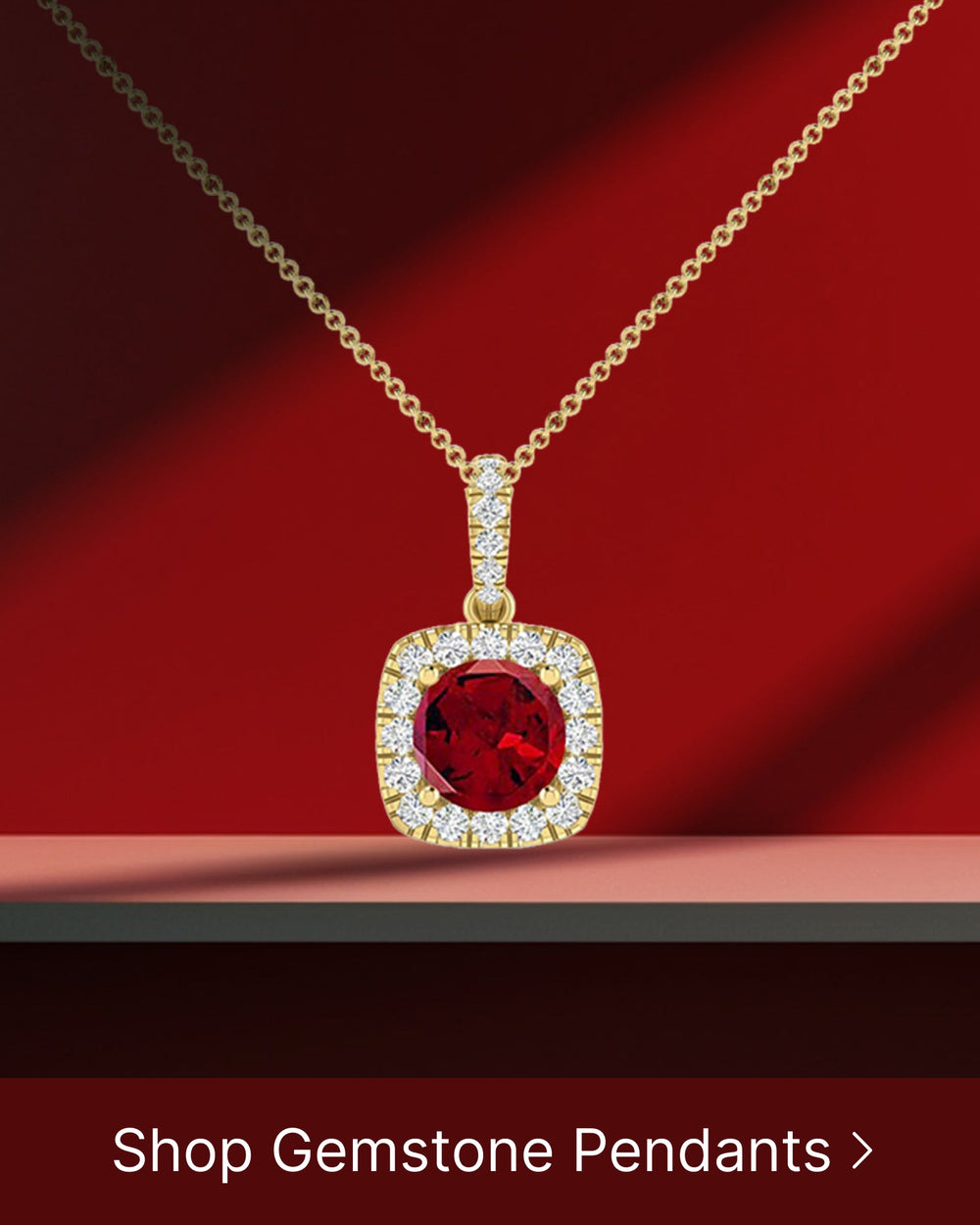
Rubies, with their fiery red color, symbolize passion, love, and courage. They are believed to ignite the heart and evoke feelings of strength and vitality. Throughout history, rubies have been associated with nobility and have been worn as talismans to protect against misfortune.
Ancient civilizations believed that rubies possessed the power to ward off evil spirits and bring good fortune to the wearer. Warriors would wear rubies into battle, believing that the gemstone would grant them invincibility and protect them from harm.
In addition to their protective qualities, rubies have been associated with passionate love and desire. They are believed to enhance the intensity of emotions and ignite the flames of romance. In some cultures, rubies are given as gifts to symbolize deep love and commitment.
The Significance of Emeralds
Emeralds, with their lush green hue, are symbols of fertility, rebirth, and harmony. They are believed to open the heart chakra and facilitate emotional healing. In ancient Rome, emeralds were associated with the goddess Venus, representing love and beauty.
Ancient civilizations believed that emeralds had the power to bring about physical and emotional rejuvenation. It was believed that wearing emeralds would promote good health, vitality, and overall well-being. The soothing green color of emeralds was also thought to have a calming effect on the mind, reducing stress and promoting inner peace.
Furthermore, emeralds have been associated with fertility and rebirth. In some cultures, emeralds were worn by expectant mothers to protect both mother and child during pregnancy. The gemstone was believed to ensure a safe and healthy delivery.
It is fascinating to explore the hidden meanings behind these popular gemstones. From diamonds' representation of clarity and strength to rubies' symbolization of passion and courage, and emeralds' significance in fertility and harmony, each gemstone carries its own unique and captivating story.
Unveiling the Mysteries of Lesser-Known Gemstones
While popular gemstones hold their own allure, lesser-known gemstones carry their own unique symbolism. Let us explore the hidden meanings behind three lesser-known gemstones:
The Symbolism of Moonstone
Moonstone, with its ethereal glow, is associated with intuition, feminine energies, and the moon itself. It is said to enhance psychic abilities and promote inner balance and emotional healing. Moonstone is a gemstone that invites us to connect with our intuition and tap into the mysteries of the divine feminine.
Legend has it that moonstone is formed from moonbeams that have solidified upon reaching the earth's surface. This captivating gemstone has been revered by various cultures throughout history. In ancient Rome, moonstone was believed to be formed from the tears of the moon goddess, Luna. In Hindu mythology, it was considered a sacred stone that brought good fortune and protected against evil spirits.
When held up to the light, moonstone reveals a mesmerizing play of colors known as adularescence. This phenomenon creates a shimmering effect reminiscent of moonlight reflecting on water, adding to the stone's mystical allure. Moonstone is often used in jewelry, not only for its beauty but also for its metaphysical properties.
The Meaning of Lapis Lazuli
Lapis Lazuli, with its deep blue hues flecked with gold, has been prized for centuries for its mystical properties. It is believed to awaken inner wisdom and promote spiritual enlightenment. Lapis Lazuli has often been associated with the sky and heavens, evoking a sense of transcendent beauty and divine connection.
The name Lapis Lazuli originates from the Latin word "lapis," meaning stone, and the Arabic word "azul," meaning blue. This gemstone has a rich history dating back to ancient civilizations such as Egypt, Mesopotamia, and Greece. In ancient Egypt, Lapis Lazuli was highly valued and used in the creation of jewelry, amulets, and even ground into powder for use as a cosmetic pigment.
Symbolizing royalty and honor, Lapis Lazuli was often used in the burial masks and tombs of pharaohs. It was believed to guide the soul to the afterlife and provide protection against evil spirits. The vibrant blue color of Lapis Lazuli was also associated with the gods and was used in religious ceremonies and rituals.
The Significance of Labradorite
Labradorite, with its iridescent flashes of color, is a stone of transformation and protection. It is said to enhance intuition and psychic abilities while shielding the aura from negative energies. Labradorite encourages us to embrace change and navigate the mysteries of life with confidence.
Named after the Labrador Peninsula in Canada, where it was first discovered, Labradorite is a gemstone that captivates with its unique play of colors. Known as labradorescence, this optical phenomenon creates a dazzling display of iridescent hues, including blues, greens, and golds, as light interacts with the stone's internal structure.
In Inuit folklore, Labradorite is believed to have fallen from the frozen fire of the Aurora Borealis, the Northern Lights. It was considered a stone of magic and protection, believed to bring good luck to those who possess it. Labradorite was also used by shamans and healers to access higher realms of consciousness and facilitate spiritual journeys.
Labradorite's transformative properties make it a popular choice for those seeking personal growth and spiritual development. Its ability to protect and shield against negative energies is believed to create a safe and harmonious environment for exploration and self-discovery.
The Power of Gemstones in Jewelry
Gemstones have been prized as adornments throughout history, not only for their beauty but also for their energetic properties. When choosing gemstone jewelry, consider the symbolism associated with each stone to align your accessories with your intentions and personal style.
Choosing the Right Gemstone for Your Jewelry
When selecting gemstone jewelry, it is essential to consider the symbolism that resonates with you. Are you seeking balance and protection? Look for gemstones such as amethyst or black tourmaline. Do you desire love and harmony? Rose quartz or pink tourmaline might be the perfect choice. Allow the symbolism of the gemstone to enhance your personal expression.
The Impact of Gemstone Jewelry on Personal Expression
Gemstone jewelry not only adds a touch of elegance and beauty but also serves as a powerful form of self-expression. Wearing gemstone jewelry can amplify your intentions and serve as a reminder of your own unique qualities and desires. Let your gemstone jewelry become a talisman that reflects your innermost hopes and dreams.
The Role of Gemstones in Modern Spirituality
Beyond their aesthetic and symbolic qualities, gemstones also play a vital role in modern spirituality.
Gemstones in Meditation and Healing Practices
Many individuals incorporate gemstones into their meditation and healing practices. Each gemstone is associated with specific healing properties, and when held or placed on the body during meditation, they are believed to enhance energetic balance and promote well-being. Whether you seek grounding, protection, or heightened intuition, there is a gemstone that can support your spiritual journey.
The Use of Gemstones in Chakra Balancing
Gemstones are widely used in chakra balancing, which involves aligning and energizing the body's energy centers. Each chakra is associated with a specific gemstone that resonates with its unique energy. By placing gemstones on the corresponding chakra points, practitioners believe that they can restore balance and harmony to the mind, body, and spirit.
In conclusion, gemstones embody a profound symbolism that transcends their physical attributes. Each gemstone holds a distinct meaning, influenced by historical, cultural, and spiritual beliefs. As we adorn ourselves with these jewels, we invite their symbolic energies into our lives, enhancing our connection to ourselves and the world around us. So, the next time you wear a gemstone, remember to appreciate the hidden meanings it carries and the surprising symbolism it brings to your jewelry collection.