Engagement rings are a symbol of love and commitment. They hold deep sentimental value and are often treasured for a lifetime. In this comprehensive guide, we will delve into the world of engagement rings, exploring their history, symbolism, different types, and the factors to consider when choosing the perfect diamond and metal. Whether you are a soon-to-be engaged couple or simply curious about these beautiful pieces of jewelry, this guide will provide all the information you need.
Understanding Engagement Rings
Engagement rings have a fascinating history, dating back centuries. They were first used by ancient Egyptians, who believed that the circle shape symbolized eternal love. The tradition developed over time, and during medieval times, engagement rings were often ornate and featured gemstones.
Today, engagement rings hold both traditional and personal meanings. They are a tangible representation of a couple's love and commitment to each other. The ring serves as a constant reminder of the bond between partners, even when they are apart.
The History of Engagement Rings
Engagement rings have a rich history that spans across various cultures and time periods. Ancient civilizations, such as the Egyptians and Romans, exchanged rings as a symbol of their commitment. These early rings were often made from simple and durable materials like bone or woven reeds.
During the Middle Ages, diamond engagement rings gained popularity among the nobility. The diamond's durability and sparkle made it a perfect symbol of everlasting love. However, it wasn't until the late 19th century that diamond engagement rings became more common among the general population.
In the 20th century, engagement rings took on new meanings and designs. The Art Deco movement of the 1920s and 1930s brought about geometric and intricate ring styles, reflecting the modern era. Additionally, the discovery of new diamond mines in South Africa increased the availability of diamonds, making them more accessible to a wider range of people.
Today, engagement rings continue to evolve, with new designs and styles emerging. From classic solitaire diamond rings to unique and unconventional designs, there is a wide range of options to suit every individual's taste and personality. Some couples opt for vintage or antique rings, adding a touch of history and nostalgia to their engagement.
Symbolism and Significance of Engagement Rings
Engagement rings hold immense symbolism. The circular shape represents eternity, with no beginning or end, symbolizing the everlasting nature of love. The ring is worn on the left hand's fourth finger because ancient Egyptians believed that it contained a vein connected directly to the heart.
Furthermore, an engagement ring is a public declaration of a couple's commitment to one another. It serves as a visual testament to their love and signifies their intention to build a future together.
While engagement rings symbolize love, they also represent individuality. The choice of metal, gemstone, and design reflects the wearer's personal taste and style. It is an opportunity to showcase one's unique personality and preferences.
Engagement rings can also carry cultural and religious significance. In some cultures, specific gemstones or designs are believed to bring luck or protection to the couple. For example, in Indian culture, it is common to have intricate gold designs and incorporate colorful gemstones like rubies and emeralds.
Additionally, engagement rings can be heirlooms passed down through generations, carrying the stories and memories of previous relationships and marriages. These rings hold sentimental value and connect individuals to their family history.
As society continues to evolve, engagement rings may take on new meanings and traditions. The significance of these rings will always be deeply rooted in love, commitment, and the celebration of a lifelong partnership.
Types of Engagement Rings
Engagement rings come in various styles, each offering a different aesthetic appeal. From classic solitaire designs to vintage-inspired pieces, there is an engagement ring to suit every taste.
Solitaire Engagement Rings
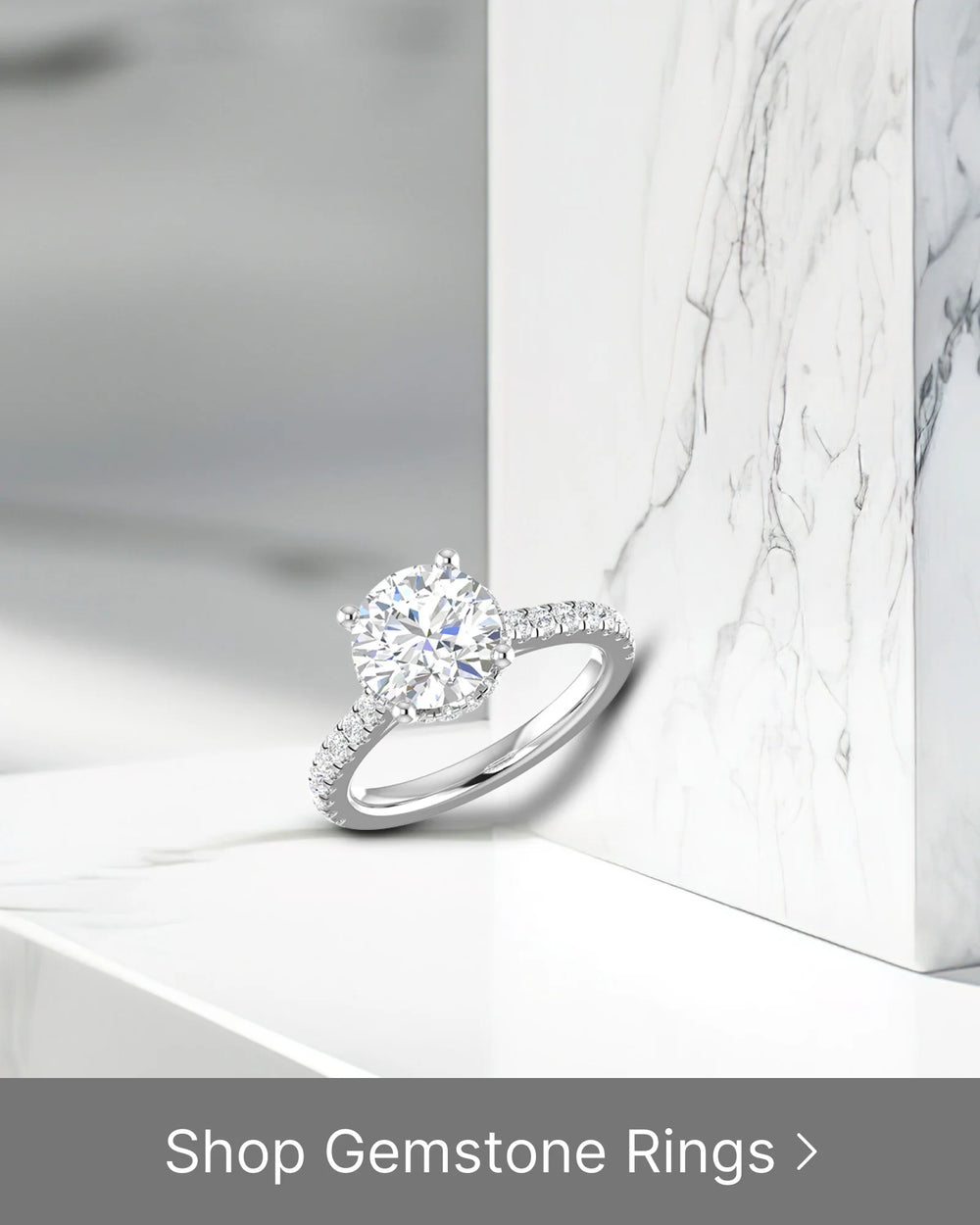
Solitaire rings are timeless and elegant. They feature a single diamond or gemstone center stone, usually held in place by prongs or a bezel setting. The simplicity of solitaire rings allows the diamond to shine brightly, capturing attention and making a striking statement.
These rings can be customized with different diamond shapes, such as round brilliant, princess cut, or emerald cut, providing flexibility for personal preferences. Solitaire engagement rings are versatile and can be paired seamlessly with different wedding band styles.
Halo Engagement Rings
Halo engagement rings are known for their impressive sparkle. They feature a center diamond or gemstone surrounded by a circle of smaller diamonds, creating a halo effect. This design amplifies the brilliance and size of the center stone, making it appear larger and more radiant.
Halo engagement rings offer a vintage-inspired look with a touch of glamour. They are popular for those who love a dazzling and eye-catching ring. The surrounding diamonds can be round, cushion, or any other shape, allowing for customization and personalization.
Vintage Engagement Rings
Vintage engagement rings create a sense of timeless elegance and charm. These rings feature intricate designs inspired by different historical periods, such as Art Deco, Victorian, or Edwardian eras. They often showcase detailed filigree work, milgrain borders, and unique gemstone cuts.
Choosing a vintage engagement ring allows you to wear a piece of history on your finger. These rings carry a sense of nostalgia and romance, evoking the beauty and craftsmanship of bygone eras. Vintage rings offer a distinctive and one-of-a-kind appeal.
Choosing the Perfect Diamond
One of the most important aspects of an engagement ring is the diamond. Diamonds are graded based on the four C's - Carat weight, Cut, Color, and Clarity. Understanding these factors will help you select the perfect diamond for your engagement ring.
The Four C's of Diamonds
The four C's of diamonds are essential in determining a diamond's quality and value. Carat weight refers to the size of the diamond, with larger carat weights generally being more valuable. Cut refers to the diamond's proportions and how well it reflects light, affecting its brilliance and sparkle.
Color grades range from D (colorless) to Z (light yellow or brown). The closer the diamond is to colorless, the rarer and more valuable it is considered. Clarity refers to the presence of any internal or external flaws or blemishes. Flawless diamonds are rare and highly prized.
Considering the four C's allows you to prioritize what is most important to you and find a balance within your budget. Each person's preferences will vary, so it's crucial to choose a diamond that captures your desired sparkle.
Diamond Shapes and Cuts
Diamonds come in various shapes and cuts, each with its own unique appeal. The shape refers to the outline of the diamond, such as round, princess, or oval. The cut, on the other hand, refers to how well the diamond has been shaped and faceted to enhance its brilliance.
Round brilliant diamonds are the most popular shape, known for their exceptional brilliance and timeless appeal. Princess-cut diamonds offer a modern and geometric look, while oval and pear-shaped diamonds provide elegance and elongated beauty.
Choosing the right diamond shape and cut involves considering personal preference and style. It's important to select a diamond shape that resonates with you and complements your engagement ring design.
Colored Diamonds
While white diamonds are the most traditional choice for engagement rings, colored diamonds have been growing in popularity. Natural fancy colored diamonds come in various shades, including yellow, pink, blue, and even rare red and green hues.
Colored diamonds offer a unique and vibrant alternative to the traditional white diamond. They can be incorporated into engagement rings as center stones or accent stones, adding a burst of color and personality to the design. Colored diamonds are a wonderful choice for those seeking a distinctive and unconventional ring.
Metals for Engagement Rings
The metal that forms the band of an engagement ring is an important consideration, as it contributes to the overall aesthetics and durability of the ring. The most popular metals for engagement rings are gold, platinum, and silver.
Gold Engagement Rings
Gold has been a favored metal for jewelry throughout history. It comes in various colors - yellow, white, and rose gold - providing versatility and options to match different skin tones and personal styles. Gold engagement rings are cherished for their warm and luxurious appearance.
Yellow gold engagement rings offer a traditional and timeless look, while white gold has a modern and sleek feel. Rose gold, with its pink hue, adds a romantic and vintage touch to any design. Gold engagement rings are available in different karat weights, indicating the purity of the gold.
Platinum Engagement Rings
Platinum is a premium metal known for its durability and rarity. It has a naturally white color that does not fade or tarnish over time. Platinum engagement rings are highly sought after for their luxurious and sophisticated appeal.
Platinum is naturally hypoallergenic, making it an excellent choice for individuals with sensitive skin. Its strength and resistance to wear ensure that the engagement ring will withstand the test of time and retain its brilliance. Platinum rings are often considered a symbol of enduring love and commitment.
Silver Engagement Rings
Silver engagement rings offer an affordable and contemporary option. Sterling silver is a popular choice for engagement rings due to its affordability and versatility. It has a bright white color that complements various gemstones and designs.
While silver engagement rings may require more maintenance compared to other metals, they can be easily polished and restored to their original shine. These rings are ideal for those seeking a fashionable and budget-friendly engagement ring.
Now armed with the knowledge of engagement ring history, symbolism, types, diamonds, and metals, you are ready to embark on your journey to find the perfect engagement ring. Remember to choose a ring that resonates with your style and captures the essence of your love. With this comprehensive guide, you can make an informed decision and find a cherished symbol of your commitment that will stand the test of time.