Choosing Between 4 or 6 Prongs for Your Solitaire Engagement Ring: Which is the Best Fit?
One of the most important decisions when selecting your solitaire engagement ring is choosing the number of prongs that will secure your precious diamond. The number of prongs can greatly affect both the functionality and aesthetics of your ring. In this article, we will explore the role of prongs in engagement rings and the benefits and drawbacks of both four-prong and six-prong solitaire settings. We will also discuss the factors you should consider when making your decision and how to properly care for your prong setting.
Understanding the Role of Prongs in Engagement Rings
Before we delve into the specifics of four-versus six-prong settings, it's important to understand why prongs are crucial in securing your diamond. The primary function of prongs is to hold the diamond in place and prevent it from becoming loose or falling out. However, prongs also have a significant impact on the overall appearance of your ring.
When it comes to engagement rings, the diamond is undoubtedly the star of the show. It is the centerpiece that symbolizes love, commitment, and the promise of a lifetime together. Without prongs, the diamond would be vulnerable to accidental displacement or loss, which is why prongs play a vital role in ensuring the security of the precious gemstone.
But prongs do more than just keep the diamond in place. They also contribute to the overall aesthetics of the ring. The way the prongs are designed and positioned can enhance the beauty and brilliance of the diamond, making it even more captivating to the eye.
The Functionality of Prongs
Prongs provide stability and security for your diamond by tightly holding it in its place. The number of prongs influences the amount of contact between the diamond and the setting. This contact is crucial as it determines how well the diamond is secured and how much light can pass through it.
When it comes to the functionality of prongs, it's essential to strike a balance. Too many prongs can obstruct the view of the diamond, preventing light from entering and reducing its sparkle. On the other hand, too few prongs may not provide enough support, leaving the diamond vulnerable to movement and potential damage.
Additionally, prongs allow more light to pass through the diamond, enhancing its brilliance and sparkle. The way the prongs are positioned can affect the angles at which light enters and exits the diamond, creating a mesmerizing play of light and enhancing the stone's overall beauty.
The Aesthetic Impact of Prongs
Prongs can dramatically alter the look of your solitaire engagement ring. They can either draw attention to the diamond or create a more discrete and minimalistic appearance. The choice between four and six prongs can significantly affect the overall design of your ring.
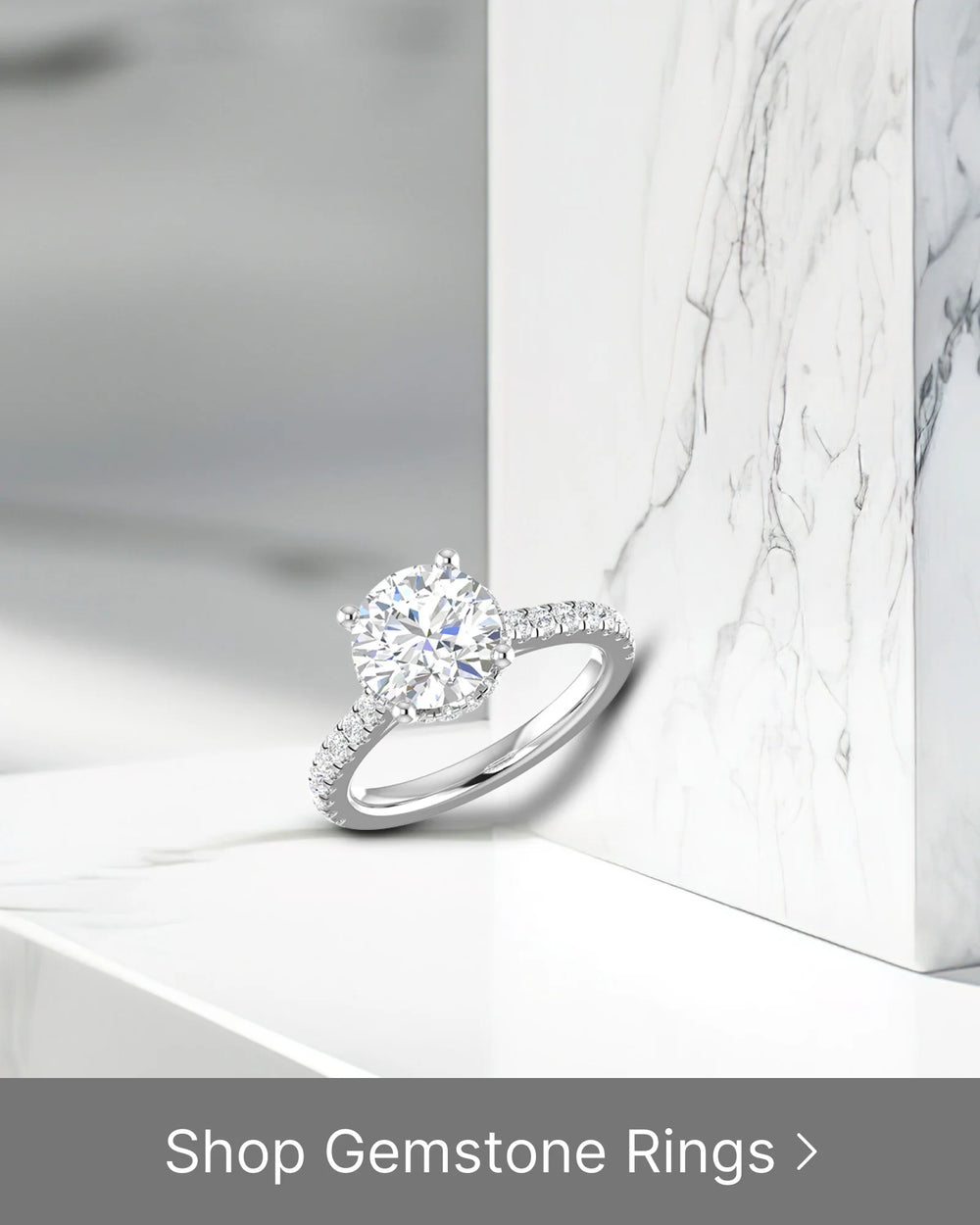
A four-prong setting is a classic choice that showcases the diamond's shape and allows for maximum visibility. With fewer prongs, more of the diamond is exposed, giving it a larger appearance. This setting is perfect for those who want to emphasize the diamond's size and shape.
On the other hand, a six-prong setting offers increased security and a more traditional look. The additional prongs provide extra support and hold the diamond firmly in place. This setting is ideal for those who prioritize stability and want a timeless and elegant design.
When choosing between four and six prongs, it's essential to consider your personal style and preferences. Both options have their own unique charm and can enhance the beauty of your engagement ring in different ways.
Ultimately, the choice of prong setting depends on your individual taste, the shape and size of the diamond, and the overall design you envision for your ring. Whether you opt for four or six prongs, what matters most is that your engagement ring reflects your love and commitment, and brings joy and happiness for years to come.
The Four-Prong Solitaire Engagement Ring
The four-prong solitaire engagement ring is a classic choice that brings attention to the diamond itself. It is a timeless design that has been favored by many couples throughout history.
When it comes to the design and appearance of the four-prong solitaire engagement ring, simplicity is key. With only four prongs, this setting allows for more visible surface area of the diamond, showcasing its size and beauty. The minimal prong design creates a sleek and modern appearance, perfect for those who appreciate understated elegance.
One of the advantages of a four-prong setting is that it allows more light to enter the diamond, enhancing its brilliance. The fewer prongs create less obstruction, allowing light to pass through the diamond more freely, resulting in a dazzling display of sparkle and fire.
Additionally, the four-prong setting makes it easier to clean and maintain the ring. With fewer prongs, there are fewer crevices for dirt and debris to accumulate, simplifying the cleaning process. Regular maintenance, such as cleaning and prong inspection, is essential to ensure the diamond remains secure and the ring retains its beauty over time.
However, it's important to note that with fewer prongs, there is a slightly higher risk of the diamond becoming loose or dislodged. Although rare, it is crucial to have the ring checked by a professional jeweler periodically to ensure the prongs are secure and the diamond is properly set.
Choosing a four-prong solitaire engagement ring is a decision that combines both aesthetics and practicality. It is a symbol of love and commitment, with the diamond taking center stage in all its glory. Whether you prefer a traditional round brilliant cut or a fancy shaped diamond, the four-prong solitaire setting will accentuate its beauty and captivate the hearts of all who behold it.
The Six-Prong Solitaire Engagement Ring
The six-prong solitaire engagement ring is another popular option that offers added security and a distinct look. When it comes to choosing the perfect engagement ring, there are many factors to consider, including design, appearance, and pros and cons.
Design and Appearance
The additional prongs in this setting provide increased stability and security for the diamond. With six prongs instead of the traditional four, the diamond is held firmly in place, reducing the risk of it becoming loose. This added security is especially beneficial for those with an active lifestyle or those who work with their hands.
Aside from the practical advantages, the six-prong design also creates a more intricate and traditional look, adding a touch of elegance to the ring. The additional prongs give the ring a unique and eye-catching appearance, making it stand out from the crowd. This design choice is perfect for those who appreciate classic and timeless styles.
Pros and Cons
Like any engagement ring setting, the six-prong solitaire has its own set of pros and cons. The main advantage of a six-prong setting is the enhanced security it provides. The additional prongs distribute the pressure evenly, reducing the risk of the diamond becoming loose. This can bring peace of mind to the wearer, knowing that their precious gemstone is well-protected.
However, some may find that the extra prongs slightly obscure the diamond's visible surface area, making it appear slightly smaller compared to a four-prong setting. While this may not be a significant concern for everyone, it is worth considering for those who prioritize maximizing the diamond's size and brilliance.
Another factor to consider is the maintenance of the ring. With six prongs, there are more areas that may require regular cleaning and inspection to ensure that the diamond remains secure. This can be seen as a minor inconvenience for some, but for others, it is a small price to pay for the added security and stunning design.
Ultimately, the choice between a six-prong solitaire engagement ring and other settings comes down to personal preference and priorities. Whether you prioritize security, aesthetics, or a combination of both, it is important to carefully consider all the factors before making a decision.
Factors to Consider When Choosing Prongs
When deciding between four and six prongs, it's essential to consider various factors that can influence your decision.
The Size and Shape of the Diamond
The size and shape of your diamond can impact the choice of prong setting. Larger diamonds may require more prongs for added security, while smaller diamonds can be adequately protected with four prongs.
Lifestyle and Daily Activities
Your lifestyle and daily activities should also be considered. If you lead an active lifestyle or work with your hands, a six-prong setting may be a better choice as it provides extra durability and stability.
Personal Style and Preference
Ultimately, personal style and preference play a significant role in choosing between four and six prongs. Some individuals prefer the timeless elegance of a six-prong setting, while others gravitate towards the simplicity and modernity of a four-prong design.
Maintenance and Care for Your Prong Setting
Once you have made your decision and acquired your desired solitaire engagement ring, it's crucial to properly maintain and care for your prong setting.
Regular Check-ups and Cleaning
Regularly visit your jeweler for professional check-ups to ensure the prongs are secure. It is also important to clean your ring regularly with non-abrasive jewelry cleaning solutions to keep it looking its best.
Potential Repairs and Adjustments
In the event that a prong becomes damaged or loosened, it's essential to visit a professional jeweler for repairs or adjustments. Prompt repairs can prevent further damage to your diamond and ensure the longevity of your beloved engagement ring.
In conclusion, the decision between four and six prongs for your solitaire engagement ring is highly dependent on your personal preferences, lifestyle, and the appearance you desire. Both options offer their own set of advantages and drawbacks. By considering the factors mentioned and properly caring for your prong setting, you can confidently choose the best fit for your dream solitaire engagement ring.