When it comes to creating the perfect gemstone necklace, choosing the right setting is essential. The setting not only holds the gemstone securely in place but also plays a significant role in enhancing its overall appearance. In this article, we will explore the importance of the right setting and delve into the various types of gemstone settings available. We will also discuss how to match the setting to the gemstone, taking into consideration different shapes and fragile gemstones. Additionally, we will explore how personal style and the occasion can influence the choice of setting. Finally, we will delve into the different material options for your setting, including gold, silver, and platinum.
Understanding the Importance of the Right Setting
The setting is more than just a functional element in a necklace; it is an integral part of the overall design. The right setting can complement the gemstone and enhance its unique characteristics, while the wrong setting may detract from its beauty. A well-chosen setting can also provide protection to the gemstone, ensuring its longevity and durability.
The Role of the Setting in a Necklace
The setting serves the purpose of holding the gemstone securely in place. It provides stability, preventing the stone from falling out or becoming dislodged. This is especially important for necklaces, as they are often subject to movement and potential damage. The setting acts as a safeguard, ensuring that the gemstone remains in its intended position, even during active wear.
Furthermore, the setting can add visual interest and contribute to the overall aesthetic of the necklace. It can be designed to complement the gemstone's shape, color, and style. For example, a delicate and intricate setting may be chosen for a dainty gemstone, while a bold and modern setting may be selected for a larger, more vibrant gemstone. The setting becomes an essential part of the necklace's design, enhancing its overall appeal.
How the Setting Impacts the Gemstone's Appearance
The choice of setting can significantly impact the appearance of the gemstone. Different settings can enhance or diminish the gemstone's brilliance, color, and overall presence. Factors such as the amount of light that reaches the gemstone, the angle at which it is displayed, and the level of security provided by the setting all play a role in determining how the gemstone will be perceived.
For instance, a prong setting allows maximum light to enter the gemstone, enhancing its sparkle and brilliance. This type of setting is commonly used for diamonds and other gemstones that benefit from increased light exposure. On the other hand, a bezel setting surrounds the gemstone with a metal rim, providing a secure and protective enclosure. While this setting may slightly reduce the amount of light that reaches the gemstone, it offers excellent durability and safeguards against accidental damage.
In addition to the practical aspects, the choice of setting can also influence the gemstone's overall presence. A high-profile setting, such as a cathedral setting, elevates the gemstone above the band, creating a dramatic and eye-catching effect. Conversely, a low-profile setting, like a flush setting, keeps the gemstone close to the band, resulting in a more understated and subtle appearance.
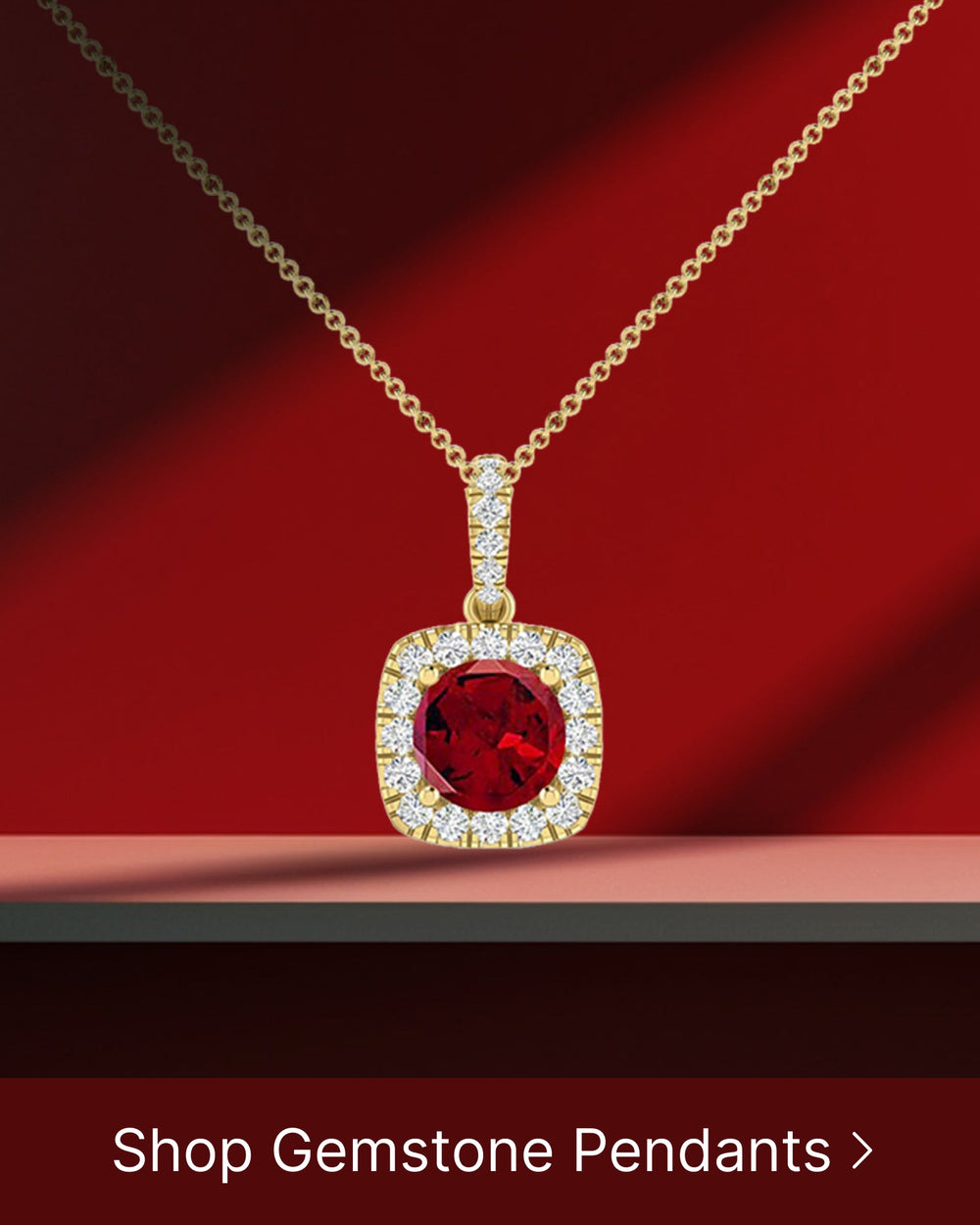
Ultimately, the right setting can elevate a gemstone's beauty and make it truly shine. It is a careful balance between functionality and aesthetics, ensuring that the gemstone is securely held while enhancing its unique qualities. Whether it's a classic solitaire setting or an intricate halo design, the setting plays a crucial role in creating a stunning piece of jewelry.
Different Types of Gemstone Settings
When it comes to gemstone necklaces, there are several types of settings that are commonly used. Each setting has its own unique characteristics and advantages, allowing you to choose the one that best suits your personal style and showcases your gemstone in the most favorable light.
Let's take a closer look at some of these settings:
Prong Settings for Gemstone Necklaces
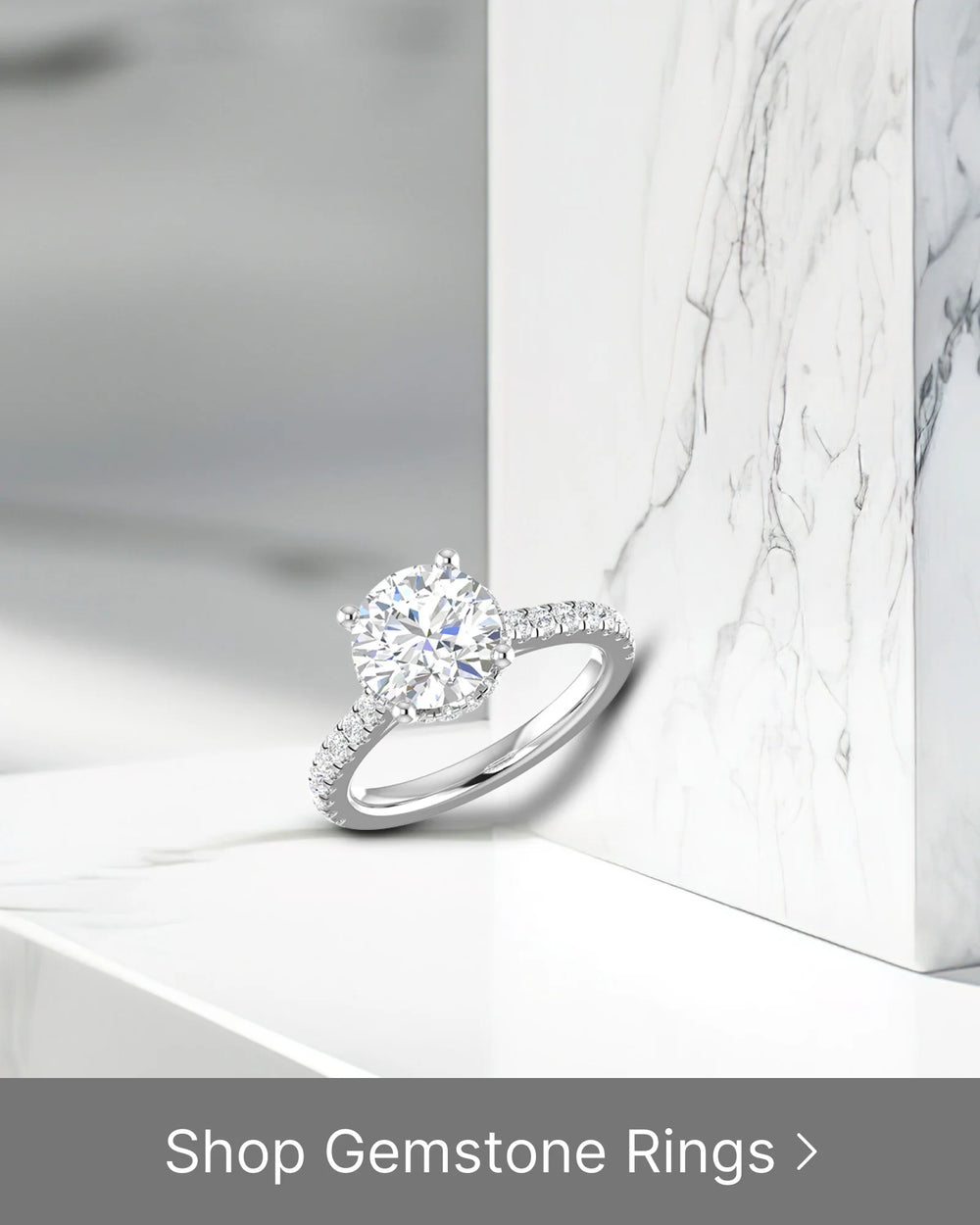
One of the most popular types of gemstone settings is the prong setting. This setting uses small metal prongs to hold the gemstone in place. The prongs can be rounded, pointed, or V-shaped, depending on the desired aesthetic.
Prong settings are known for their ability to allow maximum light to reach the gemstone. This results in enhanced brilliance and fire, making the gemstone appear even more dazzling. The prongs delicately cradle the gemstone, showcasing its beauty from all angles.
Bezel Settings for a Modern Look
If you're looking for a setting that offers both security and a modern aesthetic, a bezel setting might be the perfect choice for your gemstone necklace. This type of setting is characterized by a metal rim that surrounds the gemstone, securing it in place.
Bezel settings provide excellent protection for the gemstone, making them suitable for everyday wear. The metal rim acts as a barrier, preventing the gemstone from getting scratched or chipped. Additionally, bezel settings can give your necklace a sleek and contemporary look, adding a touch of sophistication to your style.
Channel Settings for Multiple Gemstones
If you're looking to create a necklace that features multiple gemstones, a channel setting might be the perfect choice for you. In this setting, the gemstones are set into a metal channel, creating a continuous line of sparkling stones.
Channel settings not only offer visual appeal but also provide added security for the gemstones. The metal edges of the channel protect the gemstones, keeping them securely in place. This setting allows the gemstones to shine brightly, creating a dazzling display of color and brilliance.
Now that you have a better understanding of the different types of gemstone settings, you can confidently choose the one that best suits your style and showcases your gemstone in the most beautiful way. Whether you prefer the delicate prong setting, the modern bezel setting, or the glamorous channel setting, each option offers its own unique charm and elegance.
Matching the Setting to the Gemstone
When choosing a setting for your gemstone necklace, it is important to consider the shape of the gemstone. Different settings can enhance or detract from the gemstone's natural shape and proportions. For example, a round gemstone may be showcased beautifully in a prong setting, while an emerald-cut gemstone may be better suited for a bezel setting.
Considerations for Different Gemstone Shapes
Round gemstones are versatile and can be paired with a variety of settings. Oval gemstones are often complemented by a prong or bezel setting, highlighting their elongated shape. Pear-shaped gemstones can be beautifully showcased in a V-shaped prong setting, emphasizing their unique silhouette.
Emerald-cut gemstones, with their clean lines and step-cut facets, can be elegantly displayed in a bezel setting, which provides a sleek and modern look. Princess-cut gemstones, popular for their brilliant sparkle, can be enhanced by a prong or channel setting, allowing light to enter from all sides.
Choosing a Setting for Fragile Gemstones
If you have a fragile gemstone, such as opal or turquoise, it is essential to choose a setting that will provide maximum protection. Bezel settings are particularly well-suited for fragile gemstones, as they encase the stone and prevent it from coming into contact with hard surfaces.
The Influence of Personal Style and Occasion
The choice of setting for your gemstone necklace should also be influenced by your personal style and the occasion for which you intend to wear it.
Casual vs. Formal Settings
If you are looking for a necklace that can transition seamlessly between casual and formal occasions, a prong setting may be the ideal choice. Prong settings offer a classic and timeless look that can be dressed up or down depending on the occasion. Bezel settings, on the other hand, lean towards a more contemporary and sophisticated aesthetic, making them well-suited for formal events.
Vintage vs. Contemporary Settings
If you have a preference for vintage-inspired jewelry, consider opting for a bezel or channel setting. These settings have a timeless appeal and can evoke a sense of nostalgia. For a more contemporary and trendy look, prong settings offer a modern touch that can elevate your gemstone necklace to the next level.
Material Considerations for Your Setting
When choosing the material for your gemstone setting, consider the overall aesthetic you wish to achieve.
Gold Settings for a Classic Appeal
Gold settings, whether in yellow gold, white gold, or rose gold, convey a sense of luxury and timelessness. The warm hues of gold enhance the beauty of gemstones and complement a wide range of skin tones. Gold settings are especially popular for engagement rings and other special occasion jewelry.
Silver and Platinum Settings for a Modern Edge
Silver and platinum settings offer a sleek and modern look, perfect for those seeking a contemporary aesthetic. Silver, with its cool and luminous appearance, complements gemstones by providing a neutral background. Platinum, known for its durability and resistance to tarnish, is often chosen for its longevity and understated elegance.
Choosing the right setting for your gemstone necklace is a critical step in creating a piece of jewelry that reflects your personal style and showcases the beauty of the gemstone. Consider the various types of settings available, the shape of your gemstone, your personal style and the occasion for which you plan to wear the necklace. By carefully selecting the setting and material, you can create a gemstone necklace that is as unique and beautiful as the gemstone itself.