Comparing Diamond Carat Sizes: A Visual Guide on Hand Comparisons
Diamond carat size is an important factor to consider when purchasing diamond jewelry. The carat weight of a diamond refers to its size, with one carat equaling 200 milligrams. Understanding carat sizes and how they affect the appearance of diamonds can help you make an informed decision when selecting the right piece of jewelry for yourself or a loved one.
Understanding Diamond Carat Sizes
Before diving into the visual comparisons, it's essential to have a clear understanding of what a carat is. A carat is a unit of measurement specifically used for weighing diamonds and other gemstones. It is a measure of a diamond's weight, not its size or appearance. However, carat weight does play a significant role in how a diamond looks.
When it comes to diamonds, carat weight is often associated with size. The larger the carat weight, the bigger the diamond. However, it's important to note that carat weight is just one factor that contributes to a diamond's overall appearance and value.
What is a Carat?
A carat is equivalent to 200 milligrams or 0.2 grams. The term "carat" originated from carob seeds that were once used to balance scales when weighing gemstones. Today, carat weight denotes the size of a diamond and is often used interchangeably with "size." As carat weight increases, so does the diamond's size and, consequently, its price.
It's interesting to note that carat weight is not the only measurement that determines a diamond's size. The dimensions of a diamond, including its length, width, and depth, also play a role in how big it appears. This is why two diamonds with the same carat weight can look different in size.
How Carat Size Affects Diamond Appearance
Carat size has a noticeable impact on a diamond's appearance. Larger carat sizes generally have a greater presence and attract more attention. They can make a statement and be visually striking. However, it's important to consider other factors such as cut, color, and clarity when evaluating a diamond's overall beauty.
The cut of a diamond refers to how well it has been shaped and faceted. A well-cut diamond reflects light in a way that enhances its brilliance and sparkle. A poorly cut diamond may appear dull or lackluster, regardless of its carat weight.
Color is another important consideration. The Gemological Institute of America (GIA) grades diamonds on a color scale from D (colorless) to Z (light yellow or brown). The less color a diamond has, the more valuable it is. However, personal preferences also come into play, as some individuals may prefer a slightly warmer or more unique color.
Clarity refers to the presence of any internal or external flaws, known as inclusions and blemishes, respectively. The GIA grades diamonds for clarity on a scale ranging from Flawless (no inclusions or blemishes visible under 10x magnification) to Included (inclusions and/or blemishes visible to the naked eye). Diamonds with higher clarity grades are more valuable.
Two diamonds with the same carat weight can appear different due to variations in these other factors. It's crucial to find the right balance between carat size and quality to ensure you're satisfied with your diamond's overall look. Ultimately, choosing a diamond involves considering your personal preferences, budget, and the specific characteristics that are most important to you.
The Importance of Diamond Carat Size in Jewelry
When it comes to jewelry, especially engagement rings, carat size holds significant importance. The carat weight of a diamond can symbolize the significance and value of a relationship. Understanding the impact of carat size in different types of jewelry can guide you in making the right choice for your specific needs.
Carat Size in Engagement Rings
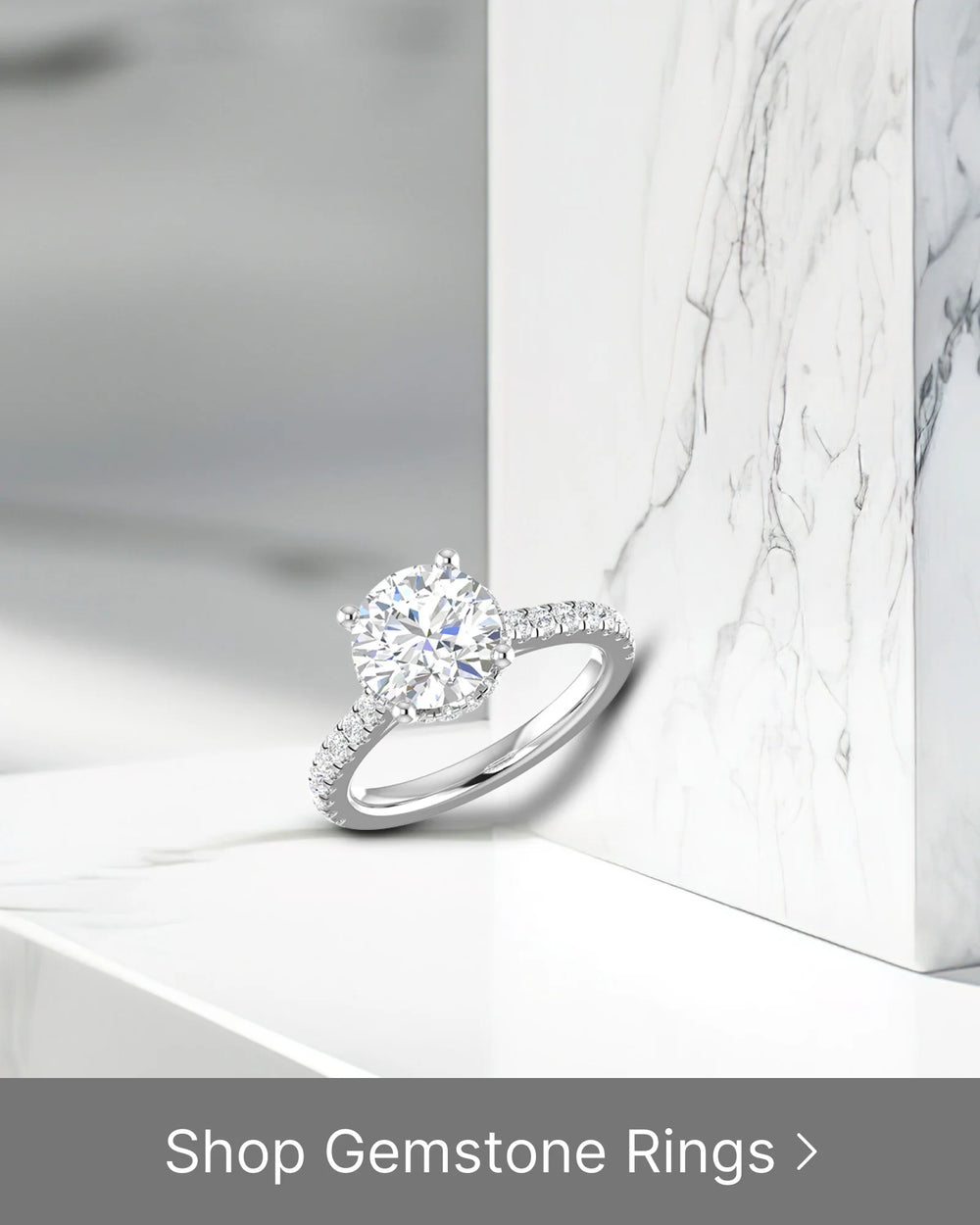
In engagement rings, carat size often carries significant meaning and is a reflection of the commitment being made. A diamond with a larger carat weight is often associated with luxury and prestige. The size of the diamond can capture attention and serve as a conversation starter, showcasing the love and dedication between two individuals.
However, it's essential to consider your partner's preferences and lifestyle when selecting the carat size for an engagement ring. While a larger carat size may seem impressive, it may not be practical for everyday wear. Your partner's comfort and practicality should be taken into account to ensure that the ring is not only visually stunning but also functional and wearable.
Additionally, the choice of carat size can also depend on the overall design of the engagement ring. Some ring settings may require a specific carat size to achieve the desired aesthetic. It's important to work closely with a knowledgeable jeweler who can guide you through the process and help you find the perfect balance between carat size, design, and practicality.
Carat Size in Earrings and Necklaces
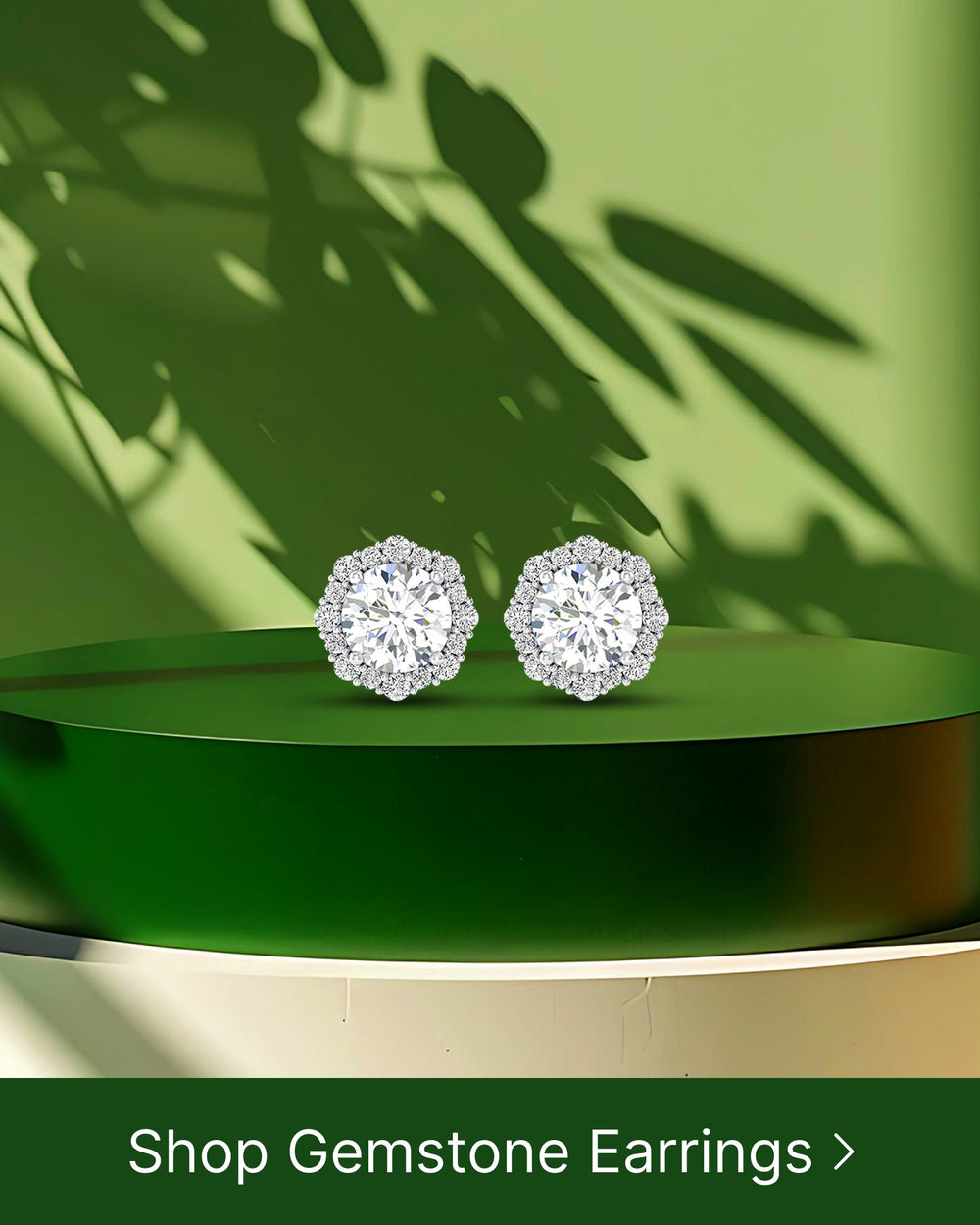
Carat size also plays a role in the selection of diamond earrings and necklaces. While the symbolism may not be as paramount as in an engagement ring, carat size still influences the overall aesthetic. The size of the diamonds in earrings and necklaces can enhance the beauty and elegance of the piece.
Larger carat sizes can make a bold statement, drawing attention to the wearer and adding a touch of glamour to any outfit. They can be the centerpiece of an ensemble, catching the light and sparkling with every movement. These statement pieces are perfect for special occasions or when you want to make a lasting impression.
On the other hand, smaller carat sizes may provide a more delicate and subtle look. They can add a touch of sparkle without overpowering the overall style. These dainty pieces are versatile and can be worn daily, effortlessly complementing any outfit. They are perfect for those who prefer a more understated and timeless elegance.
The choice of carat size in earrings and necklaces ultimately comes down to personal style and preference. Whether you opt for larger or smaller carat sizes, it's important to choose diamonds that are well-cut and of high quality. A well-cut diamond will maximize its brilliance and sparkle, regardless of its carat weight.
When selecting diamond jewelry, it's crucial to consider not only the carat size but also the other Cs of diamonds - cut, color, and clarity. These factors work together to determine the overall beauty and value of a diamond. By understanding the interplay between carat size and the other Cs, you can make an informed decision and find the perfect piece of jewelry that reflects your style and captures the essence of your special moments.
Visualizing Diamond Carat Sizes on Hands
To help you visualize how different carat sizes appear on hands, we will explore how they look on both small and large hands. This will give you a better idea of how various carat weights can complement different hand sizes.
How Different Carat Sizes Look on Small Hands
On small hands, larger carat sizes may appear more prominent. This can create a stunning focal point and add an element of glamour to your fingers. However, it's essential to consider proportion and balance. A carat size that overwhelms the hand may not be the desired effect. Therefore, smaller carat sizes, such as 0.5 to 1 carat, may be ideal for those with petite hands.
How Different Carat Sizes Look on Large Hands
For individuals with larger hands, larger carat sizes can create a balanced and proportional look. The additional surface area of a larger hand can accommodate diamonds of various carat weights without appearing overpowering. Carat sizes ranging from 1.5 to 2.5 carats can complement larger hands and provide an exquisite visual impact.
Factors That Influence Perception of Carat Size
While carat size is an objective measurement, how we perceive a diamond's size can be influenced by various factors. Understanding these factors can help you make an informed decision when selecting a diamond based on its perceived carat size.
The Role of Diamond Shape and Cut
The shape and cut of a diamond can affect how large it appears. Certain diamond shapes, such as the round brilliant cut, are known to maximize the diamond's brilliance and perceived size. Additionally, well-cut diamonds with excellent light performance tend to appear larger than diamonds with poor cut quality, even if their carat weights are the same.
The Impact of Ring Setting on Carat Size Perception
The setting of a diamond can also influence how large the stone appears. A high-quality setting that showcases the diamond while providing adequate security can enhance the visual impact. Prong settings, in particular, expose the diamond more, allowing more light to interact with the stone, making it appear larger. On the other hand, bezel settings may provide a more understated look, potentially making the diamond appear slightly smaller.
Tips for Choosing the Right Carat Size
When deciding on the carat size for your diamond, consider the following factors to make an informed choice that aligns with your preferences and lifestyle.
Balancing Carat Size with Quality
While a larger carat size may be tempting, it's crucial to balance size with quality. Opting for a smaller carat size that is well-cut and exhibits excellent clarity and color may result in a more visually appealing diamond. Assessing the overall beauty and brilliance of a diamond should take precedence over carat weight alone.
Considering Lifestyle and Personal Style in Carat Size Selection
Your lifestyle and personal style should also be taken into account when selecting a diamond's carat size. If you lead an active lifestyle or work with your hands regularly, a smaller carat size may be more practical. However, if you prefer an extravagant and bold look, a larger carat weight may be more suitable.
By understanding diamond carat sizes and how they affect appearance, visualizing carat sizes on hands, and considering other influencing factors, you can confidently choose the right carat size for your diamond jewelry. Whether it's an engagement ring, earrings, or a necklace, finding the perfect balance between carat size and quality will ensure your jewelry shines bright.