Engagement rings are symbols of love and commitment, but navigating the terminology and anatomy can be overwhelming. Understanding the language used in the world of engagement rings is crucial for making informed decisions and finding the perfect ring that speaks to your unique love story. In this article, we will break down the key terms and components of engagement rings, explore different styles, delve into diamond terminology, and discuss the various metals used in their creation. So, let's dive in and decode the fascinating world of engagement rings.
The Language of Engagement Rings
Engagement rings have their own language, filled with specific terms and meanings. Familiarizing yourself with these terms will help you navigate the shopping process with confidence.
When it comes to engagement rings, there is more than meets the eye. Beyond the sparkle and beauty, there is a world of knowledge and terminology that can enhance your understanding and appreciation for these precious symbols of love.
One key term to know is carat. Carat refers to the weight of a diamond, with one carat equal to 200 milligrams. The carat weight of a diamond can greatly impact its value and overall appearance. A larger carat weight often indicates a more substantial and impressive diamond.
Another important term is cut. The cut of a diamond refers to how well it has been shaped and faceted. The cut can greatly affect the diamond's brilliance and sparkle. A well-cut diamond will reflect light in a way that maximizes its beauty, while a poorly cut diamond may appear dull and lackluster.
Clarity is yet another term to be familiar with. Clarity refers to the presence of any internal or external flaws, known as inclusions and blemishes, respectively. The clarity of a diamond is graded on a scale, ranging from Flawless (no inclusions or blemishes visible under 10x magnification) to Included (inclusions and blemishes visible to the naked eye).
Color is also an important consideration when it comes to diamonds. The color of a diamond is graded on a scale from D (colorless) to Z (light yellow or brown). The less color a diamond has, the more valuable and desirable it is.
Key Terms to Know
Before you set foot in a jewelry store, it's essential to familiarize yourself with key terms. Knowing terms like carat, cut, clarity, and color will enable you to communicate your preferences and understand the options available to you.
Understanding these key terms will empower you to have meaningful conversations with jewelers and make informed decisions about the engagement ring that best suits your style and budget.
Additionally, being knowledgeable about these terms will help you avoid any confusion or misunderstandings during the shopping process. You'll be able to confidently express your desires and ensure that you are getting exactly what you want.
The Importance of Terminology in Jewelry Shopping
Understanding jewelry terminology not only helps you communicate your desires but also ensures that you are making an informed purchase. When you know what you're looking for, you can evaluate every aspect of a ring.
For example, if you have a preference for a larger diamond, knowing the term carat will allow you to easily communicate your desire for a specific carat weight to the jeweler. This will save you time and effort in finding the perfect ring.
Similarly, understanding the term cut will enable you to assess the craftsmanship and quality of a diamond. You'll be able to determine if a diamond has been cut to maximize its brilliance and fire, or if it falls short of your expectations.
By familiarizing yourself with jewelry terminology, you can confidently navigate the world of engagement rings and make choices that align with your preferences and budget. It's like speaking a secret language that opens up a whole new world of possibilities.
The Anatomy of an Engagement Ring
Engagement rings consist of several components that come together to create their unique aesthetic. Understanding the anatomy of a ring will empower you to appreciate and select the elements that resonate with you.
When it comes to engagement rings, there is more than meets the eye. Beyond the dazzling sparkle and timeless beauty, each ring is a masterpiece of design and craftsmanship. Let's take a closer look at the various components that make up an engagement ring, and discover the intricate details that contribute to its overall allure.
Breaking Down the Parts of a Ring
A ring is comprised of various parts, including the center stone, setting, shank, and prongs. Each of these components plays a vital role in the overall design and appearance of the ring.
The center stone, often a diamond, is the focal point of the ring. It captures the attention and admiration of all who gaze upon it. The setting, on the other hand, serves as the stage for the center stone, holding it securely in place while adding its own unique flair. The shank, or the band of the ring, provides the foundation and completes the ring's look, offering a comfortable fit and enhancing its overall elegance. Lastly, the prongs, those tiny metal claws, ensure that the center stone is held firmly in place, allowing it to shine and sparkle with every movement.
How Each Component Contributes to the Overall Design
Each component of an engagement ring plays a crucial role in its overall design, contributing to its beauty and individuality.
The center stone, as mentioned before, draws attention and sets the stage for the entire ring. It can be a diamond, a sapphire, or any other precious gemstone that holds personal significance. The setting, whether it be a classic solitaire, a halo, or a vintage-inspired design, adds its own character and style to the ring, enhancing the beauty of the center stone. The shank, available in various metals and styles, complements the overall design, providing a seamless transition from the center stone to the wearer's finger. And let's not forget the prongs, those tiny details that may seem insignificant but are essential for holding the center stone securely in place, ensuring its brilliance and longevity.
When all these components come together, they create a symphony of elegance and sophistication, reflecting your taste and style. Whether you prefer a timeless and traditional design or a modern and unique masterpiece, understanding the anatomy of an engagement ring allows you to appreciate and select the elements that resonate with you.
Different Types of Engagement Rings
Engagement rings come in various styles, reflecting different eras and design trends. Understanding these styles will help you find one that aligns with your personal preferences.
When it comes to choosing an engagement ring, there are countless options available to suit every taste and style. From classic designs that have stood the test of time to modern takes on tradition, the choices are endless. Let's explore some of the different types of engagement rings in more detail.
Classic Engagement Ring Styles
Classic styles are timeless and never go out of fashion. They exude elegance and sophistication, making them a popular choice for many. One of the most iconic classic engagement ring styles is the solitaire ring. Featuring a single center stone, this design puts all the focus on the diamond, allowing it to shine brilliantly. The simplicity of the solitaire ring makes it a versatile choice that can be paired with any wedding band.
Another classic option is the three-stone ring, which symbolizes the past, present, and future of a couple's love. This style typically features a larger center stone flanked by two smaller stones on either side. The three stones represent the journey a couple has taken together and the promise of a future filled with love and commitment.
Modern Takes on Engagement Rings
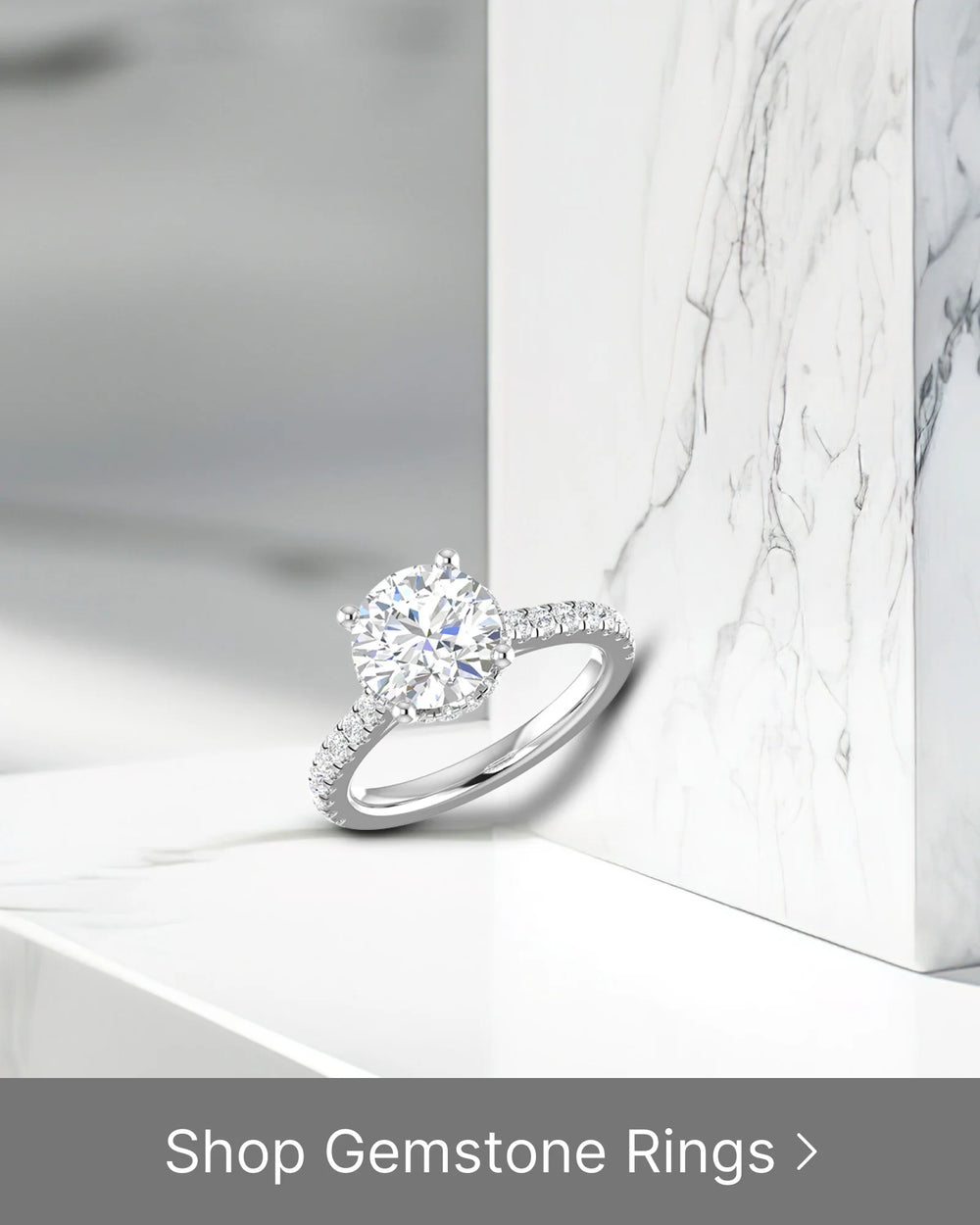
For those who prefer a contemporary twist on tradition, modern engagement ring designs offer a plethora of options. One popular choice is the halo ring. This design features a center stone surrounded by a halo of smaller diamonds or gemstones, creating a stunning and eye-catching effect. The halo not only enhances the overall appearance of the ring but also adds extra sparkle and brilliance to the center stone.
If you're drawn to vintage aesthetics, vintage-inspired engagement rings are a perfect choice. These rings often feature intricate details such as filigree, milgrain, and engraving, reminiscent of the styles popular in the past. With their unique and nostalgic charm, vintage-inspired rings are a beautiful way to celebrate love while paying homage to the past.
Other modern options include colored gemstone engagement rings, which offer a vibrant and unique alternative to traditional diamond rings. From sapphires to emeralds, these gemstones add a pop of color and individuality to the ring, allowing you to express your personal style in a bold and unconventional way.
Ultimately, the choice of an engagement ring is a deeply personal one. Whether you opt for a classic design that has stood the test of time or a modern take that reflects your individuality, the most important thing is that the ring symbolizes your love and commitment. Take your time exploring the different styles and find the one that speaks to your heart.
Understanding Diamond Terminology
Diamonds are the most popular choice for engagement rings, and understanding diamond terminology is vital for selecting the perfect stone.
The Four Cs of Diamonds
Diamonds are assessed based on the four Cs: carat, cut, clarity, and color. Each of these factors contributes to a diamond's overall beauty and value.
Other Important Diamond Terms
Besides the four Cs, there are other diamond terms to familiarize yourself with, such as fluorescence, inclusion, and certification. Knowing these terms will help you make an educated decision when choosing a diamond.
Metals Used in Engagement Rings
The metal you choose for your engagement ring's band sets the tone for its overall appearance and durability.
Gold, Silver, Platinum - What's the Difference?
Gold, silver, and platinum are commonly used metals in engagement ring bands. Each metal has its own unique properties, including durability, color, and cost.
The Role of Metal in Ring Design
The metal you choose not only affects the appearance of your engagement ring but also plays a crucial role in its overall design. The choice of metal can enhance the gemstone's color or complement the design elements, making every ring truly unique.
With this comprehensive guide to engagement ring terminology and anatomy, you will be well-equipped to find the perfect ring that embodies your love and commitment. Whether you prefer a classic solitaire or a modern halo design, understanding diamond terminology and the role of different metals will ensure that you make an informed decision. Happy ring shopping!