Diamond shape plays a crucial role in determining the overall appearance, value, and desirability of a diamond. Two popular diamond shapes, the round cut and cushion cut, have gained immense popularity among diamond buyers. In this article, we will delve into the world of diamond shapes and compare the round cut and cushion cut diamonds in terms of their history, characteristics, and pros and cons. By the end, you will have a comprehensive understanding of these diamond shapes and be able to make an informed decision when purchasing a diamond.
Understanding Diamond Shapes
When it comes to diamond shapes, there are numerous options available in the market. Each shape has its own distinct characteristics and allure. Before we dive into the details of the round cut and cushion cut diamonds, let's explore the basics of diamond shapes.
The Basics of Diamond Shapes
Diamonds come in various shapes, including round, princess, emerald, cushion, marquise, pear, oval, and more. The shape of a diamond refers to the overall outline or external form of the stone. It is different from the cut, which pertains to the internal facets and how light is reflected.
Each diamond shape has its own unique appeal and reflects light differently. Some shapes, like the round cut, are known for their brilliance and sparkle, while others, like the cushion cut, exude a vintage charm. The princess cut, on the other hand, showcases a modern and geometric aesthetic.
When it comes to choosing a diamond shape, personal preference plays a significant role. Some individuals are drawn to the classic elegance of a round cut, while others prefer the distinctive shape of an emerald cut. The choice of diamond shape can also be influenced by factors such as the wearer's hand shape and style preferences.
How Diamond Shapes Impact Value
When it comes to determining the value of a diamond, shape plays a significant role. The popularity of certain diamond shapes can influence their market value. For example, round cut diamonds are highly sought after and tend to command higher prices compared to other shapes.
Additionally, some shapes may require more extensive cutting, resulting in a higher loss of rough diamond during the shaping process. This loss of material can affect the overall value of the diamond. Shapes with intricate facets, such as the emerald cut, may require more precise cutting, leading to a higher cost.
Furthermore, the demand for specific diamond shapes can fluctuate over time, affecting their worth in the market. Trends and fashion preferences can influence the popularity of certain shapes, causing their value to rise or fall. It is important to stay informed about the current market trends and preferences before making a purchase.
Ultimately, the value of a diamond is determined by a combination of factors, including its shape, cut, color, and clarity. Each of these aspects contributes to the overall beauty and desirability of the stone.
Understanding how diamond shapes impact value is crucial before making a purchase. It allows buyers to make informed decisions and ensures that they are getting the best value for their investment.
The Round Cut Diamond
The round cut diamond is the most popular diamond shape, capturing hearts with its timeless beauty and unmatched brilliance. Let's delve into the history, characteristics, and pros and cons of the round cut diamond.
History of the Round Cut
The round cut diamond has a rich history that dates back centuries. It was first introduced in the 17th century in Europe. At that time, diamond cutting was still in its early stages, and the round cut was a significant breakthrough. The round cut was developed to enhance the diamond's natural beauty and maximize its sparkle.
Over time, advancements in cutting techniques led to the creation of the modern round brilliant cut, which we commonly see today. In the early 20th century, Marcel Tolkowsky, a Belgian mathematician, developed a precise formula for cutting round diamonds to achieve maximum brilliance and fire. This formula, known as the Tolkowsky cut, revolutionized the diamond industry and set the standard for round cut diamonds.
Today, the round cut diamond remains a symbol of elegance and class, adorning engagement rings and fine jewelry around the world. Its popularity continues to grow, and it is often the first choice for those seeking a classic and timeless diamond.
Characteristics of the Round Cut
One of the defining characteristics of the round cut diamond is its exceptional brilliance. Its 58 facets are strategically placed to reflect and refract light, creating optimum sparkle. The round cut is designed to maximize light return, giving the diamond unparalleled radiance.
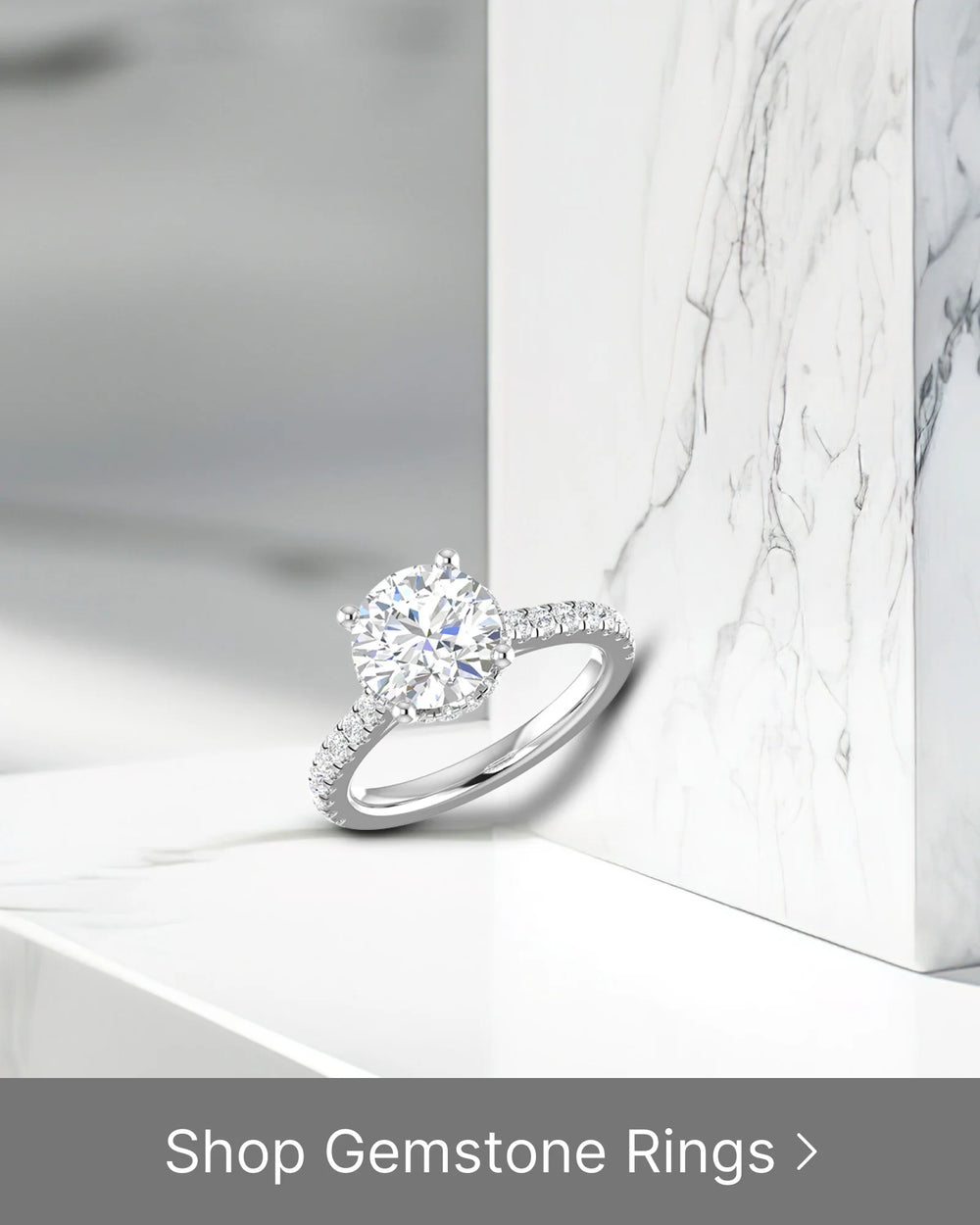
Due to its symmetrical shape and precise cut, the round cut diamond also offers excellent versatility. It complements various ring settings and styles, making it a popular choice for engagement rings. Whether set in a solitaire, halo, or pavé setting, the round cut diamond always stands out and adds a touch of elegance to any piece of jewelry.
Another advantage of the round cut is its ability to hide imperfections. The round shape is forgiving when it comes to flaws and inclusions, making it easier for jewelers to create high-quality diamonds. This means that even if a round cut diamond has some imperfections, they are less likely to be visible to the naked eye.
Furthermore, the round cut diamond's classic and timeless appeal ensures that it never goes out of style. It has stood the test of time and continues to be a popular choice for engagement rings and other diamond jewelry.
Pros and Cons of the Round Cut
Like any diamond shape, the round cut has its own set of advantages and disadvantages. One significant advantage is its unrivaled brilliance. The round cut maximizes the diamond's sparkle, making it a showstopper in any setting. Its ability to reflect light from all angles creates a dazzling display that captures attention and admiration.
Additionally, the round cut is known for its excellent durability. The shape's lack of sharp corners and edges reduces the risk of chipping or breaking, making it a practical choice for everyday wear.
However, the round cut also tends to be more expensive compared to other shapes. This is due to the higher demand and the amount of rough diamond wasted during the cutting process. The round cut requires more precision and expertise to achieve its optimal brilliance, which adds to its overall cost.
Another consideration is the round cut's slightly smaller appearance for a given carat size. Due to its design, the round cut does not retain as much carat weight as other shapes. This means that a round cut diamond may appear slightly smaller than a diamond of the same carat weight in a different shape. However, the exceptional brilliance of the round cut often compensates for this perceived size difference.
In conclusion, the round cut diamond is a timeless and brilliant choice for those seeking a classic and elegant diamond. Its rich history, exceptional characteristics, and enduring popularity make it a symbol of everlasting love and beauty.
The Cushion Cut Diamond
The cushion cut diamond, also known as the pillow cut, is a popular choice for those seeking a vintage-inspired diamond shape. Let's explore the history, characteristics, and pros and cons of the cushion cut diamond.
History of the Cushion Cut
Originally popular in the 1800s, the cushion cut diamond was a favorite during the Art Deco and Edwardian eras. Its rounded corners and larger facets exude a classic, romantic feel. In recent years, cushion cut diamonds have experienced a resurgence in popularity, offering a perfect blend of vintage charm and modern elegance.
Characteristics of the Cushion Cut
The cushion cut diamond is renowned for its unique blend of brilliance and softness. Its large facets and rounded corners create a captivating play of light, resulting in a mesmerizing sparkle. The cushion cut is often described as having a pillow-like appearance, hence its name.
One of the advantages of the cushion cut is its ability to showcase a diamond's color, making it a popular choice for fancy colored diamonds. The cushion cut offers great versatility, working well in both vintage-inspired and contemporary settings.
Pros and Cons of the Cushion Cut
Like the round cut, the cushion cut also has its advantages and disadvantages. One significant advantage of the cushion cut is its vintage appeal. It exudes a sense of nostalgia and glamour, making it a sought-after choice among individuals with a love for vintage aesthetics.
However, cushion cut diamonds may not have the same level of brilliance as round cut diamonds. The larger facets of the cushion cut allow for more light dispersion instead of intense sparkle. Additionally, cushion cut diamonds tend to have lower clarity grades due to their facet arrangement, which can affect their overall appearance.
Round Cut vs Cushion Cut: A Comparison
Now that we have explored the history, characteristics, and pros and cons of both the round cut and cushion cut diamonds, let's compare them in terms of aesthetics, durability, and price.
Aesthetics: Round Cut vs Cushion Cut
When it comes to aesthetics, personal preference plays a significant role. The round cut diamond offers a classic, timeless beauty with its unparalleled brilliance. On the other hand, the cushion cut diamond exudes a vintage charm and showcases a diamond's color.
Both shapes have their unique allure, and the choice ultimately depends on the individual's style and preference.
Durability: Round Cut vs Cushion Cut
In terms of durability, both the round cut and cushion cut diamonds are considered sturdy and suitable for everyday wear. However, the round cut's design, featuring fewer corners and edges, may make it slightly more resistant to chips or damage.
It is important to note that proper care and maintenance are essential regardless of the diamond shape.
Price: Round Cut vs Cushion Cut
When it comes to price, the round cut diamond tends to be more expensive compared to the cushion cut. The high demand for round cut diamonds and the amount of rough diamond lost during shaping contribute to its higher price.
Cushion cut diamonds, on the other hand, often offer excellent value for money, making them an attractive choice for budget-conscious buyers.
Conclusion
In conclusion, the round cut and cushion cut diamonds each have their own unique characteristics and appeal. The round cut captivates with its timeless beauty and unmatched brilliance, while the cushion cut offers a vintage-inspired charm. Consider your personal style, preferences, and budget when choosing between these two popular diamond shapes. Regardless of your choice, both shapes are sure to leave a lasting impression and make a statement on any piece of jewelry they adorn.