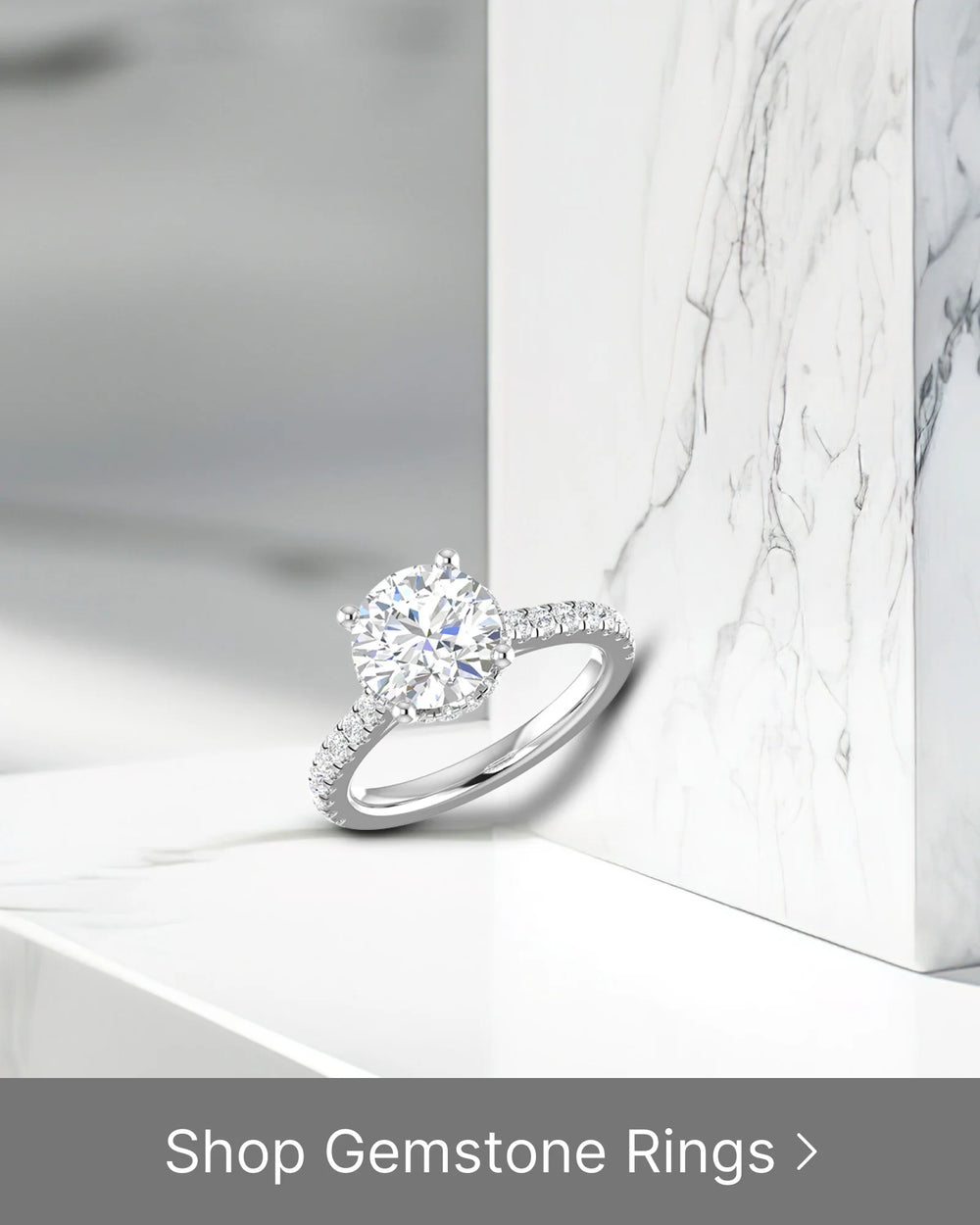
Expert Tips for Choosing a Diamond: Understanding Clarity and Making the Right Purchase
Choosing the perfect diamond can be a daunting task. With so many options available, it's important to understand the factors that determine a diamond's value. This article will provide expert tips on understanding diamond clarity and making the right purchase. By the end, you'll be equipped with the knowledge to confidently choose a diamond that meets your desires and budget.
Understanding the Basics of Diamonds
Diamonds are one of the most coveted gemstones in the world. They are renowned for their exceptional brilliance and rarity. When it comes to evaluating a diamond, jewelers consider the 4Cs: cut, color, clarity, and carat. Each of these factors contributes to a diamond's overall quality and value.
The 4Cs of Diamonds: Cut, Color, Clarity, and Carat
Of the 4Cs, clarity is particularly important as it affects a diamond's brilliance and overall appearance. The clarity of a diamond refers to the presence of internal or external flaws, known as inclusions and blemishes, respectively. The Gemological Institute of America (GIA) grades diamond clarity on a scale ranging from Flawless to Included, with varying degrees of imperfections at each grade.
The Importance of Diamond Clarity
Diamond clarity plays a significant role in determining a diamond's value and beauty. A diamond with high clarity appears more captivating as it allows light to pass through easily, resulting in enhanced sparkle. In contrast, diamonds with lower clarity may contain visible inclusions or blemishes that can diminish their brilliance.
When it comes to evaluating diamond clarity, there are several factors to consider. The first is the size and visibility of the inclusions. Larger inclusions are more noticeable and can have a greater impact on the overall appearance of the diamond. Smaller inclusions, on the other hand, may be less visible to the naked eye and have a minimal effect on the diamond's beauty.
In addition to the size of the inclusions, their location within the diamond is also important. Inclusions that are located near the center of the diamond can interfere with the passage of light, affecting the diamond's brilliance. In contrast, inclusions that are located near the edge of the diamond may have less impact on its overall appearance.
Another factor to consider is the type of inclusions present in the diamond. Some inclusions, such as feathers or clouds, can be more detrimental to the diamond's appearance than others. Feathers, which are small cracks within the diamond, can affect the diamond's durability and may be more visible to the naked eye. Clouds, on the other hand, are clusters of tiny inclusions that can give the diamond a hazy or milky appearance.
When evaluating diamond clarity, it is also important to consider the presence of blemishes. Blemishes are external flaws that can include scratches, nicks, or chips on the diamond's surface. While blemishes may not impact the diamond's brilliance as much as inclusions, they can still affect its overall appearance and value.
Ultimately, the goal is to find a balance between diamond clarity and other factors, such as cut and color, to ensure that you choose a diamond that meets your personal preferences and budget. Whether you prioritize a flawless diamond or are willing to compromise on clarity to prioritize size or color, understanding the importance of diamond clarity can help you make an informed decision when purchasing a diamond.
The Science Behind Diamond Clarity
To understand the effect of clarity on a diamond's sparkle, it's essential to delve into the science behind it. Diamonds are formed deep within the Earth, and their clarity is influenced by the environment in which they grow. Natural internal formations, such as minerals or crystals, may become trapped inside the diamond during its formation, resulting in inclusions.
As diamonds form, immense pressure and heat cause carbon atoms to arrange themselves in a unique crystal lattice structure. This structure is what gives diamonds their exceptional hardness and brilliance. However, the process is not always perfect, and various factors can affect the clarity of a diamond.
One factor that contributes to diamond clarity is the presence of inclusions. These are tiny imperfections or foreign materials that are trapped within the diamond during its growth. Inclusions can include minerals, crystals, or even tiny fractures. The size, type, and location of inclusions can significantly impact a diamond's overall clarity.
How Clarity Affects a Diamond's Brilliance
Diamond clarity impacts a diamond's brilliance through the scattering and reflection of light. Inclusions can obstruct the path of light, reducing its ability to refract and reflect within the diamond. When light enters a diamond, it undergoes a series of internal reflections, bouncing off the facets and creating the mesmerizing sparkle we associate with diamonds.
However, when there are inclusions present, light can scatter or get absorbed, diminishing the diamond's brilliance. The fewer inclusions a diamond has, the more light it can transmit, resulting in a brighter and more dazzling appearance. This is why diamonds with higher clarity grades are highly sought after and valued.
It's important to note that not all inclusions have a negative impact on a diamond's beauty. Some inclusions, such as pinpoint inclusions or tiny crystals, can create unique patterns or add character to the stone. These inclusions are often admired and considered as part of a diamond's individuality.
The Different Grades of Diamond Clarity
The Gemological Institute of America (GIA) grades diamond clarity on a scale ranging from Flawless (no inclusions or blemishes visible under 10x magnification) to Included (inclusions visible to the naked eye). Within this scale, there are different categories, each representing a varying level of clarity and having an impact on a diamond's overall value.
Very, Very Slightly Included (VVS) diamonds have inclusions that are extremely difficult to detect even under 10x magnification. These inclusions are typically minuscule and have minimal impact on the diamond's brilliance. Very Slightly Included (VS) diamonds have slightly larger inclusions that are still challenging to see under magnification but may be visible to a trained grader.
Slightly Included (SI) diamonds have inclusions that are more noticeable under magnification, but they may still appear eye-clean to the unaided eye. Finally, Included (I) diamonds have inclusions that are visible to the naked eye, potentially affecting the diamond's transparency and overall beauty.
It's worth mentioning that while clarity is an essential factor in a diamond's value, it's not the sole determinant. Other factors, such as color, cut, and carat weight, also play crucial roles in evaluating a diamond's overall quality and beauty.
Understanding the science behind diamond clarity allows us to appreciate the incredible journey these precious gemstones undertake before reaching our hands. From their formation deep within the Earth to the intricate interplay of light within their crystal lattice, diamonds continue to captivate us with their brilliance and allure.
Tips for Choosing the Right Diamond
When it comes to choosing a diamond, there are several factors to consider. Firstly, prioritize clarity based on your budget and preference. If you value brilliance above all else, opt for diamonds with higher clarity grades. However, if you're willing to compromise slightly on clarity for a larger carat size or favorable color, you have more flexibility in your selection.
Factors to Consider When Choosing a Diamond
Aside from clarity, consider the other 3Cs when selecting a diamond. The cut determines a diamond's ability to reflect light, while color refers to the presence of any tint within the diamond. Carat weight, on the other hand, relates to the size of the diamond. It's important to strike a balance between these factors to achieve a visually pleasing and valuable diamond.
How to Balance Quality and Budget
It's crucial to establish a budget before embarking on your diamond search. This will help you determine the range of options available to you. Remember that a diamond with slightly lower clarity but excellent cut and color may appear more stunning than a diamond with higher clarity but inferior cut and color. This allows you to prioritize quality while staying within your budget.
Making the Right Purchase
Once you've narrowed down your options, it's time to make a purchase. To ensure a satisfying buying experience, consider the following:
Questions to Ask Your Jeweler
When visiting a jeweler, don't hesitate to ask questions. Inquire about the diamond's origin, any certifications it holds, and whether it has undergone any treatments. A reputable jeweler will be transparent and provide you with the necessary information to make an informed decision.
The Role of Diamond Certification in Your Purchase
Diamond certifications, such as those provided by the GIA, serve as unbiased assessments of a diamond's quality and ensure its authenticity. They offer detailed information about the diamond's 4Cs, as well as any additional grading aspects. Opt for diamonds with reputable certifications to guarantee your purchase is genuine and accurately represented.
Tips for Caring for Your Diamond After Purchase
Lastly, caring for your diamond is essential to maintain its brilliance and longevity. Take precautions to prevent damage and regularly clean your diamond to remove any dirt or oils that may affect its appearance. Your jeweler can provide guidance on the best care practices specific to your diamond.
Conclusion
Choosing a diamond is an exciting and significant decision. By understanding the importance of diamond clarity and considering the 4Cs, you can confidently select a diamond that meets your desires and budget. Remember to engage with your jeweler, seek reputable certifications, and care for your diamond properly. With these expert tips, you'll embark on your diamond journey with knowledge and assurance.