Gold is a precious metal that has captivated human beings for centuries. Its allure lies not only in its value but also in its beautiful color palette. Gold comes in various hues, ranging from the classic yellow to the contemporary white and the romantic rose. In this article, we will delve into the world of gold colors, exploring the science behind their formation, the factors that influence their hue, and the cultural significance they hold. We will also provide tips on how to care for different colored gold jewelry, ensuring their longevity and maintaining their beauty.
Understanding the Basics of Gold Coloration
Before we explore the spectrum of gold colors, it is essential to understand the basics of gold coloration. The color of gold is determined by its composition and the presence of other metals in its alloy. Pure gold is naturally yellow, and its vibrant hue attracts attention wherever it is found.
However, gold can be blended with other metals to create alloys that offer a wide range of colors. By altering the composition of the alloy, jewelers can achieve colors like white and rose, which have grown in popularity in recent years.
Gold coloration is not simply a matter of aesthetics; it is deeply rooted in the science behind the metal. Understanding the scientific principles behind gold's color can enhance our appreciation for its beauty and versatility.
The Science Behind Gold's Color
The distinctive color of gold is a result of its electron structure. Gold atoms absorb certain colors of light and reflect others. This absorption and reflection give gold its unique appearance. The physics behind these interactions is complex, involving the way light waves interact with the electrons in the gold structure.
Without delving too deeply into the intricate details, it is important to understand that the color of gold is a result of the specific wavelengths of light that are absorbed and reflected. These wavelengths determine the color we perceive. The interaction between light and gold's electron structure is a fascinating area of study that continues to captivate scientists and researchers.
Factors Influencing Gold's Hue
Several factors can influence the hue of gold. One of the most significant factors is the presence of other metals in the alloy. Different metals have different colors, and when blended with gold, they impact the final hue.
For instance, copper is commonly used to create rose gold. The addition of copper gives the gold a pinkish hue, which is associated with romance and femininity. On the other hand, palladium or nickel can be added to gold to create white gold, which has a silvery appearance.
Aside from the choice of metals, other factors such as temperature, pressure, and the conditions during the fabrication process can also influence the color of gold. These factors add an extra layer of complexity to the creation of different gold hues. Jewelers and artisans must carefully consider these variables to achieve the desired coloration in their gold creations.
Furthermore, the cultural and historical context in which gold is used can also influence the preference for certain hues. Different cultures and time periods may have specific associations with certain gold colors, further enriching the significance and symbolism of gold in various contexts.
Overall, understanding the basics of gold coloration and the factors that influence its hue provides a deeper appreciation for the artistry and craftsmanship involved in creating gold jewelry and other gold objects. The interplay between science, creativity, and cultural influences makes gold coloration a fascinating subject to explore.
The Spectrum of Gold Colors
Now that we have explored the basics of gold coloration, let's delve into the spectrum of gold colors. Gold offers a diverse range of hues, each with its own unique characteristics and symbolism.
Gold, a precious metal highly valued for its beauty and rarity, has captivated civilizations for centuries. Its allure lies not only in its intrinsic value but also in the wide array of colors it can exhibit. From the classic yellow gold to the contemporary white gold and the romantic rose gold, each shade tells a story and evokes different emotions.
Yellow Gold: The Classic
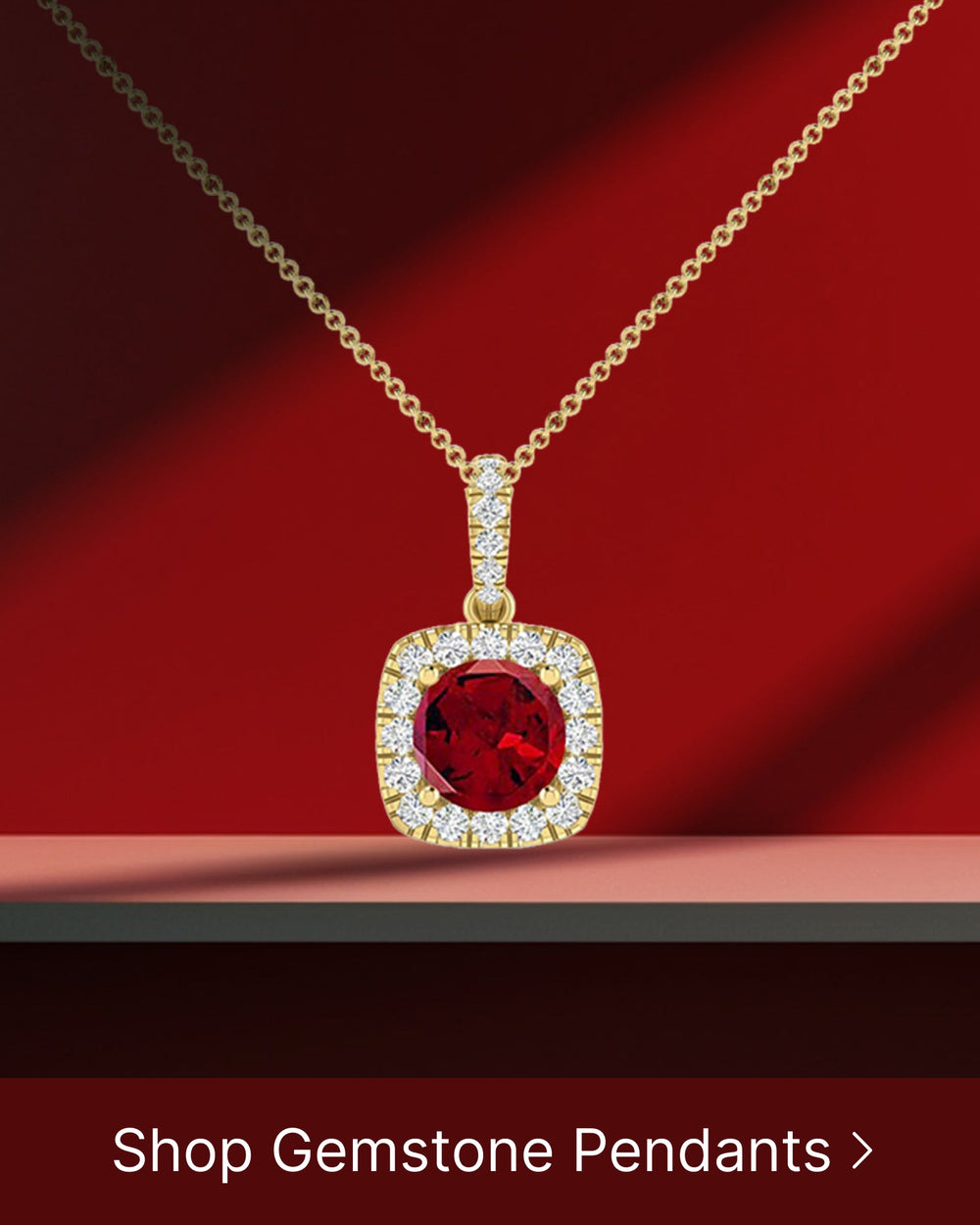
Yellow gold is the most traditional and classic choice when it comes to gold jewelry. Its warm and captivating hue has been adored for centuries, symbolizing opulence, wealth, and prosperity. The vibrant yellow color of this precious metal adds a touch of elegance to any piece of jewelry, making it a timeless choice for individuals with a penchant for tradition.
Throughout history, yellow gold has been associated with royalty and power. Ancient civilizations, such as the Egyptians and the Romans, adorned themselves with lavish yellow gold jewelry as a symbol of their status and wealth. Even today, yellow gold continues to be a popular choice for engagement rings and other significant pieces of jewelry, representing everlasting love and commitment.
White Gold: The Contemporary Choice
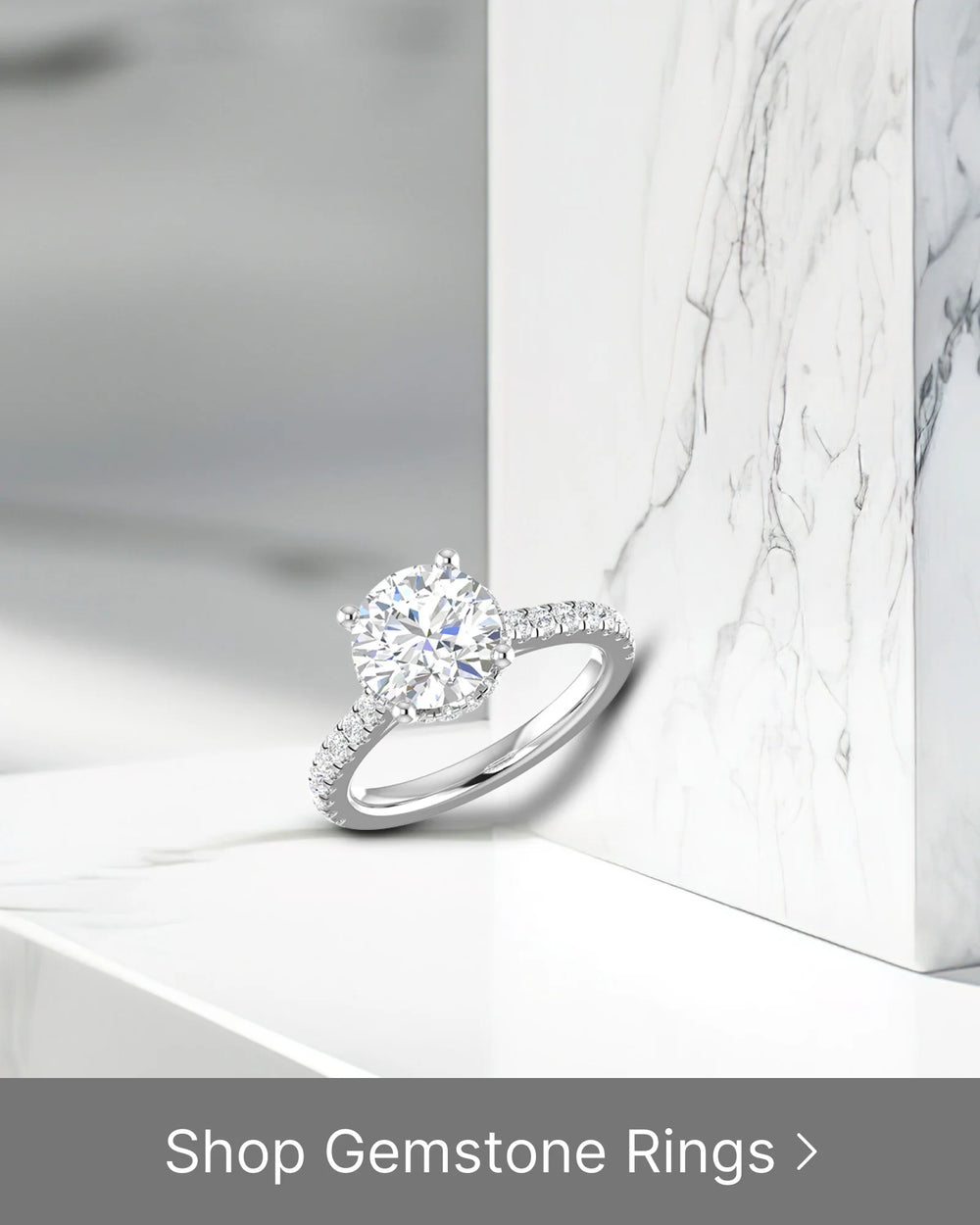
White gold, a more recent addition to the spectrum of gold colors, has gained immense popularity in recent years. It is created by blending gold with white metals such as nickel or palladium, resulting in a lustrous metal that resembles platinum but at a more affordable price point. White gold offers a sleek and modern look, making it a favored option for those who prefer a more understated and versatile style.
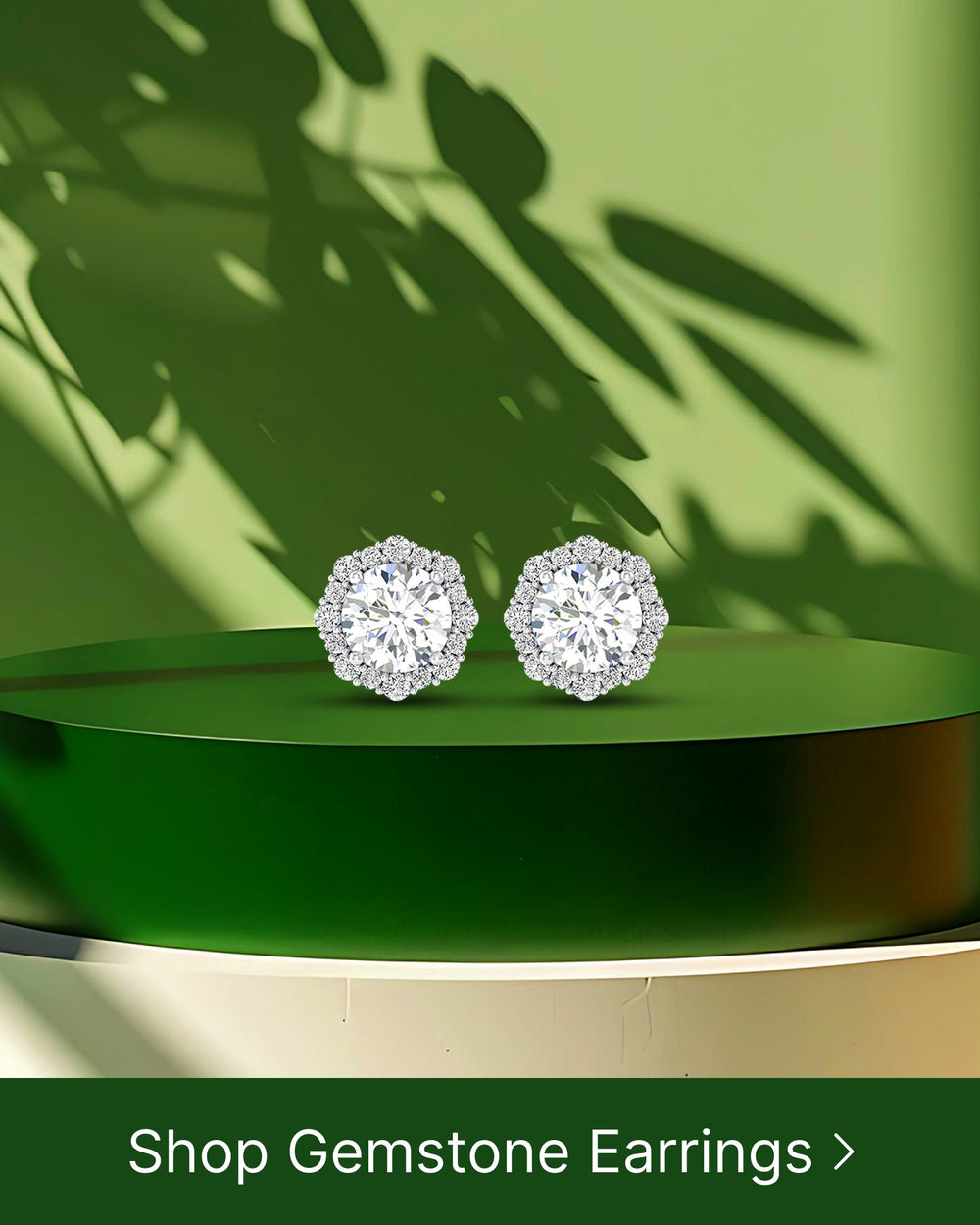
The rise in popularity of white gold can be attributed to its contemporary appeal and its ability to complement a wide range of gemstones. The cool and silvery hue of white gold provides a beautiful contrast to the vibrant colors of gemstones, allowing them to take center stage. Whether it's a sparkling diamond or a vibrant sapphire, white gold serves as an elegant backdrop, enhancing the beauty of the gemstone and creating a stunning visual impact.
Rose Gold: The Romantic Variant
No other gold hue exudes romance and femininity quite like rose gold. This enchanting color is achieved by adding copper to the gold alloy, which gives it a beautiful pinkish hue. Rose gold has become increasingly popular in recent years, gracing the fingers, wrists, and necks of fashion-conscious individuals.
The soft and romantic allure of rose gold makes it an ideal choice for engagement rings and other sentimental pieces of jewelry. Its warm and delicate pink hue symbolizes love, affection, and tenderness. Rose gold jewelry has a timeless appeal that transcends trends, making it a cherished choice for those seeking a unique and meaningful expression of their love.
Aside from its romantic connotations, rose gold also offers versatility in design. It complements a wide range of skin tones, making it a universally flattering choice. Whether it's a delicate necklace, a stack of dainty rings, or a statement watch, rose gold adds a touch of elegance and femininity to any ensemble.
The Process of Creating Different Gold Colors
Creating different gold colors involves a meticulous process that requires precision and expertise. Let's explore the two primary methods used to alter the color of gold.
Alloying: The Key to Color Variation
One of the fundamental techniques used to create different gold colors is alloying. By blending gold with other metals, jewelers can achieve a wide variety of hues. Depending on the specific metals added and their ratio to the gold content, the resulting color can range from yellow to white or rose. The art of alloying allows for endless possibilities and ensures that each piece of gold jewelry is unique.
The Role of Rhodium Plating
In the case of white gold, another technique commonly used is rhodium plating. Rhodium is a rare and durable metal that belongs to the platinum group. By applying a thin layer of rhodium to white gold, jewelers can enhance its whiteness and give it a brilliant shine. Rhodium plating also provides an additional layer of protection, preventing the metal from tarnishing over time.
The Symbolism and Cultural Significance of Gold Colors
The different gold colors hold significant symbolism and cultural significance across various industries and art forms. Let's explore some of the domains where gold colors play a pivotal role.
Gold Colors in Jewelry and Fashion
In the realm of jewelry and fashion, gold colors have distinct meanings and associations. Yellow gold, as mentioned earlier, is often associated with wealth and prosperity. It is considered a classic choice for engagement rings and other fine jewelry pieces. White gold, on the other hand, embodies sophistication and modernity. Its silvery hue effortlessly complements any outfit, making it a versatile option. Lastly, rose gold symbolizes romance and femininity, making it a popular choice for delicate and sentimental jewelry.
Gold Colors in Art and Design
Beyond jewelry and fashion, gold colors hold immense significance in art and design. The use of gold leaf in paintings and architecture has been a symbol of opulence and majesty for centuries. Gold colors add a sense of grandeur to any piece of art, elevating its aesthetic appeal. From ancient civilizations to contemporary art, gold has always been revered for its beauty and symbolic value.
Caring for Different Colored Gold Jewelry
Now that we have explored the world of gold colors, it is important to understand how to care for different colored gold jewelry to ensure their longevity and preserve their beauty.
Maintenance Tips for Yellow Gold
To maintain the beauty of yellow gold jewelry, it is important to keep it clean and free from dirt and grime. Regularly wiping your jewelry with a soft cloth will help remove any build-up and restore its luster. Avoid exposing your yellow gold jewelry to harsh chemicals and extreme temperatures, as these can affect its color and shine.
Preserving the Beauty of White Gold
White gold may require a bit more maintenance due to its rhodium plating. Over time, the plating may wear off, revealing the slightly yellowish hue of the white gold alloy. To restore the pristine whiteness, seek the assistance of a professional jeweler who can re-apply the rhodium plating. It is also important to keep your white gold jewelry away from abrasive materials to prevent scratches and damage.
Ensuring the Longevity of Rose Gold
Rose gold requires gentle care to preserve its delicate pink hue. Avoid exposing your rose gold jewelry to harsh chemicals, as they can cause the color to fade or change. Regularly clean your rose gold jewelry using a gentle soap and warm water solution, and dry it with a soft cloth. This will help maintain its radiance and ensure its longevity.
In conclusion, gold's diverse color palette offers a world of possibilities for jewelry enthusiasts and connoisseurs alike. From the classic allure of yellow gold to the contemporary elegance of white gold and the romantic charm of rose gold, there is a gold hue to suit every taste and style. Understanding the science and factors influencing gold's color, as well as its cultural significance, allows us to appreciate this precious metal on a deeper level. By following proper care and maintenance techniques, we can ensure that our gold jewelry remains beautiful and enchanting for years to come.