Exploring the Appearance and Value of H-Grade Diamonds: Is it a Smart Investment?
Diamonds have long been revered for their beauty and regarded as a symbol of prestige and luxury. When it comes to purchasing diamonds, many factors come into play. One crucial aspect to consider is the diamond grading system, which helps determine the quality and value of a diamond. This article dives into the world of H-Grade diamonds, exploring their appearance, value, and whether they make for a smart investment.
Understanding the Diamond Grading System
The diamond grading system serves as a standardized way to assess a diamond's quality. The system takes into account the 4Cs: color, clarity, cut, and carat weight. Each of these factors contributes to a diamond's overall grade, including H-Grade diamonds.
When it comes to evaluating a diamond's color, the 4Cs play a crucial role. In the case of H-Grade diamonds, they fall within the near-colorless range. This means that they display a slightly yellowish tint when compared to higher-grade diamonds. However, it's important to note that this subtle hue is often difficult to detect to the untrained eye.
Aside from color, clarity is another significant consideration in the diamond grading process. H-Grade diamonds may have slight inclusions, which are tiny imperfections within the stone. However, these inclusions generally remain invisible to the naked eye. This means that H-Grade diamonds can offer excellent value for those seeking a balance between quality and affordability.
The cut of a diamond is a crucial factor that affects its brilliance and sparkle. While H-Grade diamonds may not exhibit the same level of ideal proportions as higher-grade diamonds, a well-cut H-Grade diamond can still offer extraordinary beauty. The precision and craftsmanship involved in the cutting process can enhance the diamond's overall appearance, maximizing its potential to dazzle.
Lastly, the carat weight considers the size of the diamond. H-Grade diamonds can range in carat weight, allowing for a variety of options based on one's preference and budget. Whether someone desires a delicate and understated H-Grade diamond or a more substantial and eye-catching one, there are choices available to suit different tastes and styles.
What Makes H-Grade Diamonds Unique?
H-Grade diamonds occupy a sweet spot in the diamond grading system. They exhibit an excellent combination of value, beauty, and affordability. As near-colorless diamonds, H-Grade stones can rival higher-grade diamonds in appearance while offering a more accessible price point.
For those who appreciate the allure of diamonds but have budget constraints, H-Grade diamonds provide an opportunity to own a stunning piece of jewelry without compromising on quality. Their near-colorless nature and the fact that their inclusions are typically invisible to the naked eye make them an attractive choice for those seeking a balance between affordability and visual appeal.
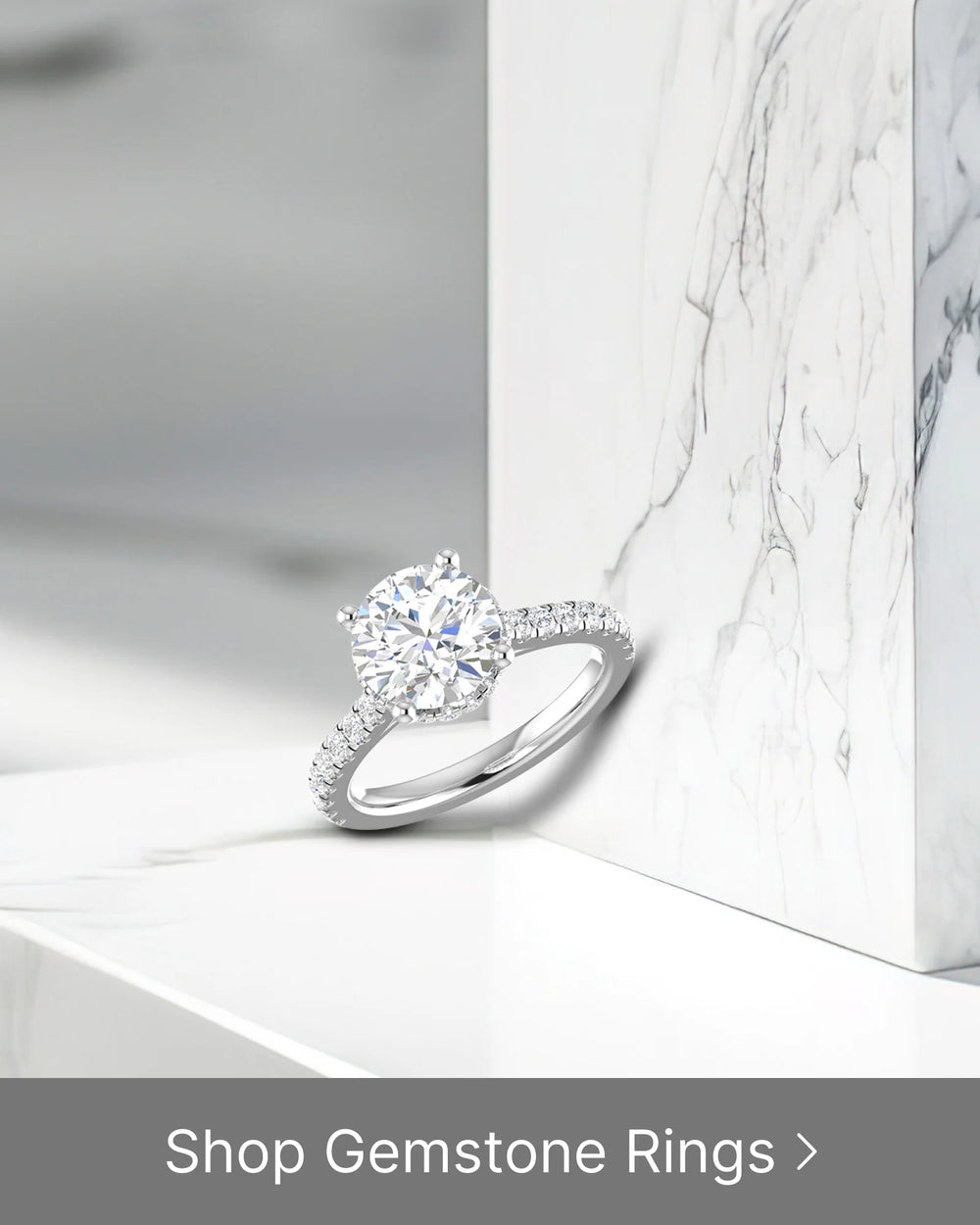
Moreover, the versatility of H-Grade diamonds allows individuals to explore various styles and designs. Whether set in a classic solitaire ring, a vintage-inspired setting, or a modern and sleek design, H-Grade diamonds can adapt to different settings and create a captivating look.
Overall, H-Grade diamonds offer a compelling option for those in search of a diamond that combines beauty, value, and affordability. Their unique characteristics and ability to rival higher-grade diamonds make them a popular choice among diamond enthusiasts and jewelry lovers alike.
The Appearance of H-Grade Diamonds
When it comes to the appearance of H-Grade diamonds, there are a few key factors to consider. While H-Grade diamonds may display a slight yellowish tint compared to higher-grade diamonds, this is often imperceptible to the untrained eye. The color variation is subtle, and when set in jewelry, H-Grade diamonds can still exude a sense of elegance and brilliance.
However, let's dive deeper into the color characteristics of H-Grade diamonds. The color grading scale ranges from D (colorless) to Z (noticeable yellow or brown tint). H-Grade diamonds typically fall within the range of G to J, offering a delicate balance between minimal color and favorable pricing. This means that H-Grade diamonds have a beautiful and desirable color that is not too far off from the higher grades.
When expertly set and paired with complimentary metals and gemstones, H-Grade diamonds can create stunning and eye-catching jewelry pieces. The slight yellowish tint can even add a unique touch to the overall design, giving it a warm and inviting feel.
Clarity and Cut Considerations for H-Grade Diamonds
Aside from color, clarity and cut are also important considerations when it comes to H-Grade diamonds. In terms of clarity, H-Grade diamonds may have some minor inclusions. However, these inclusions are often invisible to the naked eye, making them an attractive choice for those who value both quality and value.
It's worth noting that the presence of these minor inclusions does not necessarily detract from the overall beauty of the diamond. In fact, they can be seen as unique characteristics that make each H-Grade diamond truly one-of-a-kind.
Moreover, a well-cut H-Grade diamond can maximize its brilliance and reflect light beautifully, showcasing its natural radiance. The cut of a diamond refers to how well it has been shaped and faceted, allowing it to interact with light in the most captivating way. A well-cut H-Grade diamond can make up for any slight color variation, as its brilliance and sparkle take center stage.
So, when considering H-Grade diamonds, it's important to remember that they offer a wonderful balance between color, clarity, and cut. Their slight yellowish tint adds a touch of uniqueness, while their overall appearance can still rival higher-grade diamonds when set in stunning jewelry designs.
The Market Value of H-Grade Diamonds
When considering the market value of H-Grade diamonds, it's essential to understand the various factors that influence their pricing.
H-Grade diamonds, although not considered colorless, still hold significant value in the market. Their overall grade remains favorable, contributing to their desirability and price.
One significant factor that influences the price of H-Grade diamonds is the 4Cs - color, clarity, cut, and carat weight. While H-Grade diamonds may fall a step below the highly sought-after colorless diamonds, they still exhibit a remarkable balance between quality and affordability.
Color is one of the most critical factors when determining a diamond's value. H-Grade diamonds typically have a slight yellow hue, which is more noticeable when compared to colorless diamonds. However, this subtle coloration can add a unique warmth and character to the stone, making it an appealing choice for many buyers.
Clarity is another crucial aspect that affects the value of H-Grade diamonds. These diamonds may have some inclusions, which are tiny imperfections within the stone. However, these inclusions are often not visible to the naked eye and do not significantly impact the overall beauty of the diamond.
The cut of a diamond plays a vital role in its brilliance and sparkle. H-Grade diamonds are typically well-cut, allowing them to reflect light effectively and showcase their natural beauty. A well-cut H-Grade diamond can appear stunning and captivating, even with its slight coloration.
Carat weight is the measurement of a diamond's size, and it also influences its value. H-Grade diamonds come in various carat weights, allowing buyers to choose the size that suits their preferences and budget. While larger H-Grade diamonds may have a more noticeable color, they can still be an excellent option for those seeking a larger stone without compromising on quality.
Additionally, market demand and supply play a role in pricing H-Grade diamonds. As these diamonds offer an attractive balance between quality and price, they have gained popularity among consumers and investors alike. The increasing demand for H-Grade diamonds has contributed to their market value, making them a sought-after choice in the diamond industry.
Comparing H-Grade Diamonds with Other Grades
Comparing H-Grade diamonds with higher-grade diamonds is essential to understand their relative value and suitability for individual preferences.
While higher-grade diamonds may exhibit even less color and potentially fewer inclusions, the difference in appearance may not always justify the significant price increase. H-Grade diamonds offer an excellent alternative for those looking for beautiful diamonds at a more affordable price point.
It is crucial to note that personal preferences play a significant role in choosing a diamond. Some individuals may prefer the warmth and character that H-Grade diamonds bring, appreciating their unique charm. Others may prioritize a colorless appearance and opt for higher-grade diamonds.
Ultimately, the market value of H-Grade diamonds is influenced by a combination of factors, including their 4Cs, market demand and supply, and individual preferences. These diamonds continue to hold their value and appeal to a wide range of buyers, offering an excellent choice for those seeking quality and affordability in their diamond purchase.
Investing in H-Grade Diamonds
Diamonds, including H-Grade stones, can serve as a potential investment opportunity. However, it's crucial to analyze the pros and cons before diving in.
Pros and Cons of Diamond Investment
On one hand, diamonds have historically held their value and served as a tangible asset. They can offer a sense of security and can be cherished as heirlooms. Additionally, diamonds can provide diversification within an investment portfolio.
On the other hand, there are risks associated with diamond investment. The market can be subject to fluctuations, and liquidity may be a concern. Furthermore, the success of a diamond investment heavily relies on factors such as the particular diamond's characteristics, market conditions, and the expertise of the investor.
Assessing the Investment Potential of H-Grade Diamonds
When evaluating the investment potential of H-Grade diamonds, one must consider their value as an alternative investment option. H-Grade diamonds offer a favorable combination of quality and pricing, making them an attractive choice for investors seeking to diversify their portfolio with tangible assets.
Making a Smart Diamond Investment
For those considering purchasing H-Grade diamonds, it's essential to make informed decisions to ensure the best possible investment.
Tips for Buying H-Grade Diamonds
1. Educate yourself: Learn about the 4Cs and understand how they affect the value and appearance of H-Grade diamonds.
2. Seek reputable jewelers: Purchase H-Grade diamonds from trusted jewelers who can provide certification and guarantee the diamond's authenticity and quality.
3. Compare prices: Compare prices across different retailers to ensure that you are getting the best value for your money.
4. Consider the setting: The choice of jewelry setting can enhance the appearance of an H-Grade diamond. Consult with experts to find the best setting that suits your style and preferences.
The Future of Diamond Investment
As with any investment, the future of diamond investments, including H-Grade diamonds, is subject to various economic and market factors. However, it's worth noting that the allure and enduring value of diamonds have stood the test of time.
In conclusion, H-Grade diamonds offer a captivating combination of beauty and value. Their near-colorless range, minimal inclusions, and attractive pricing make them a compelling option for both jewelry enthusiasts and investors. Whether you are seeking a stunning piece of jewelry or considering diamond investment, H-Grade diamonds are undoubtedly worthy of exploration.