Gemstones have captivated human beings for centuries with their mesmerizing beauty and timeless allure. However, with the ever-increasing demand for gemstones, the market has become flooded with imitations and synthetic stones. This makes it essential for buyers to be able to distinguish between authentic gemstones and their fake counterparts. In this article, we will explore the various tips and techniques that can help buyers identify genuine gemstones with confidence.
Understanding Gemstones
What are Gemstones?
Gemstones are naturally occurring minerals that have been prized for their beauty and rarity throughout history. These minerals are formed deep within the Earth's crust and undergo various geological processes over millions of years to attain their unique attributes. Precious gemstones such as diamonds, rubies, and emeralds are treasured for their exceptional color, brilliance, and durability.
When it comes to gemstones, their value is determined by a combination of factors including their rarity, color, clarity, cut, and carat weight. Each gemstone possesses its own set of characteristics that make it unique and desirable. For example, diamonds are known for their unmatched brilliance and hardness, while rubies are admired for their vibrant red color.
Throughout history, gemstones have held significant cultural and symbolic meanings. They have been used as adornments in jewelry, as talismans for protection, and as symbols of wealth and power. Gemstones have also been associated with various healing properties and are believed to have metaphysical effects on the wearer.
Different Types of Gemstones
There is a wide variety of gemstones available in the market, each with its own distinct characteristics and properties. Some of the most popular gemstones include diamonds, sapphires, rubies, emeralds, and pearls. It is important for buyers to familiarize themselves with the different types of gemstones to better understand their individual features.
Diamonds, known as the "king of gemstones," are prized for their exceptional brilliance and are the hardest substance on Earth. They come in various colors, including white, yellow, and even rare hues like blue and pink. Sapphires, on the other hand, are known for their stunning blue color, but they can also be found in other colors such as pink, yellow, and green.
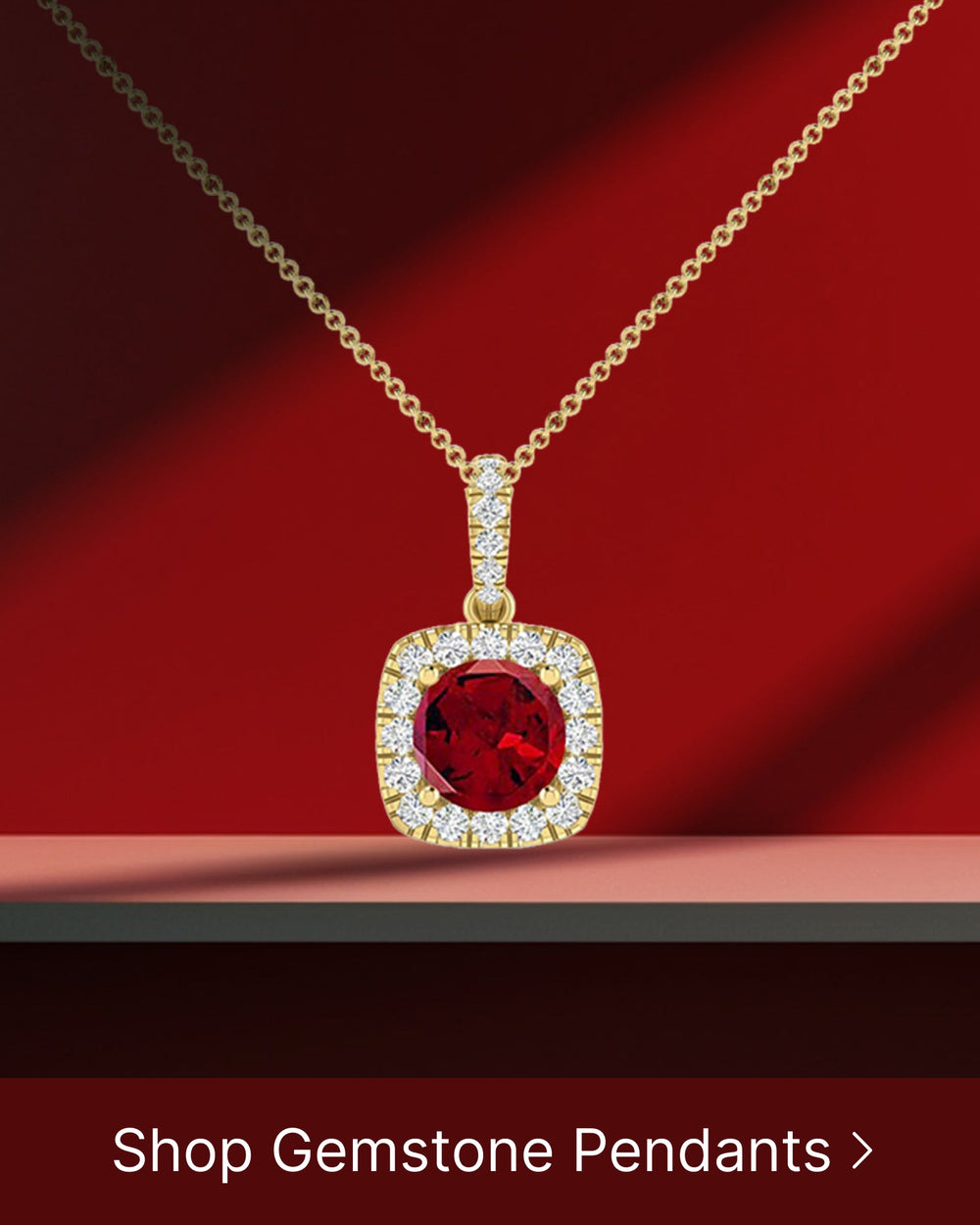
Rubies, often referred to as the "gem of passion," are known for their deep red color and are considered one of the most valuable gemstones. Emeralds, with their rich green color, are associated with beauty and elegance. They are known for their unique inclusions, which are often referred to as the "garden" within the stone.
Pearls, unlike other gemstones, are organic in nature and are formed inside the shells of certain mollusks. They are treasured for their lustrous appearance and are available in various colors, shapes, and sizes. Pearls have been associated with purity and are often used in classic and timeless jewelry designs.
Other gemstones such as amethyst, topaz, garnet, and opal also have their own unique qualities and are highly sought after by gemstone enthusiasts. Each gemstone has its own story to tell, with its formation process and characteristics shaped by the Earth's geological forces.
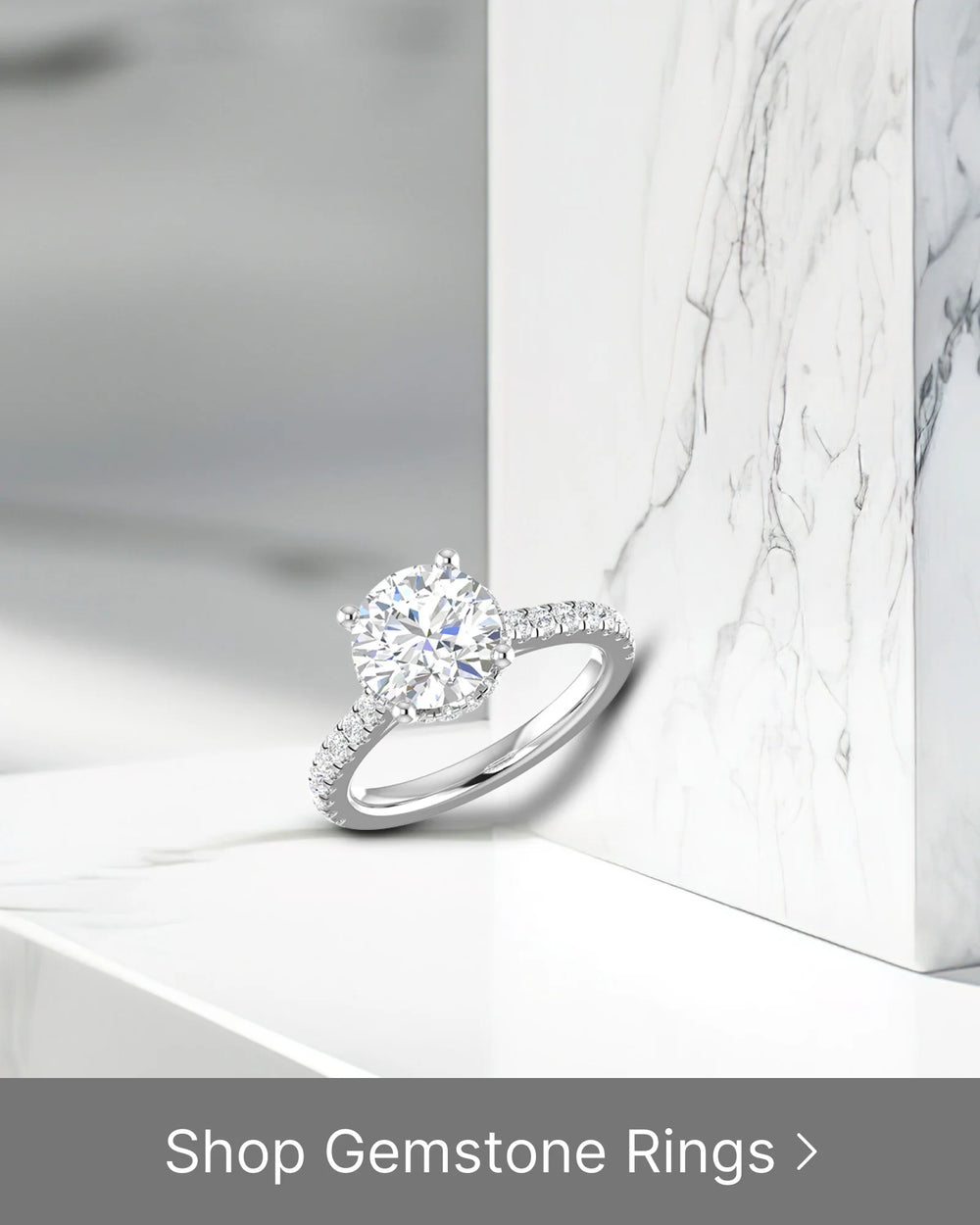
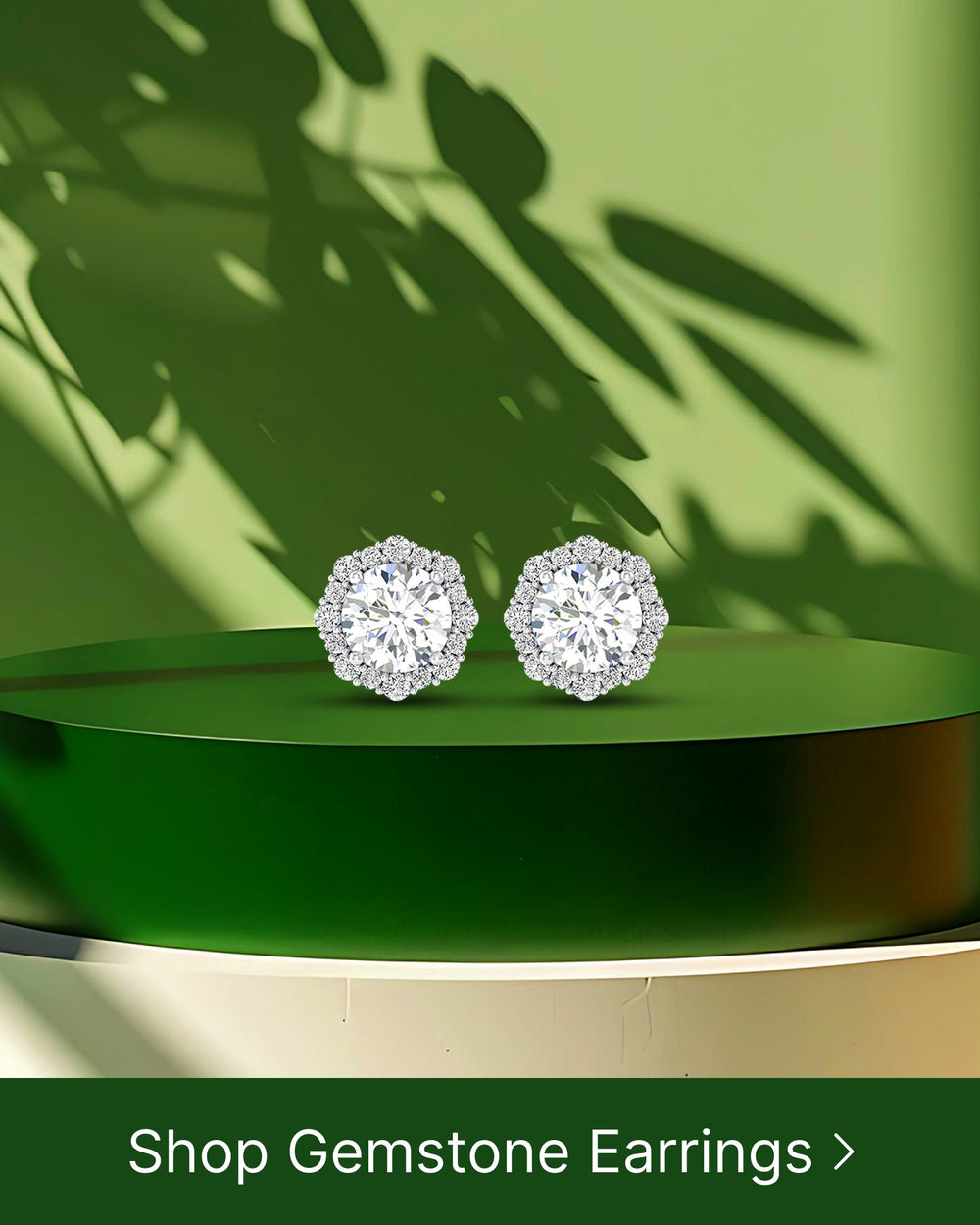
When purchasing gemstones, it is important to consider factors such as color, clarity, cut, and carat weight to ensure that you are getting a high-quality stone. Gemstones can be set in various types of jewelry, including rings, necklaces, earrings, and bracelets, allowing individuals to showcase their personal style and taste.
Whether you are a gemstone enthusiast, a jewelry collector, or simply someone who appreciates the beauty of these natural wonders, understanding gemstones and their unique qualities can enhance your appreciation for their timeless allure.
The Importance of Authenticity in Gemstones
Gemstones have captivated humans for centuries with their beauty, rarity, and durability. These precious stones hold significant value, making them highly sought after by collectors and enthusiasts worldwide. However, the value of gemstones lies not only in their physical properties but also in their authenticity.
Value of Authentic Gemstones
Authentic gemstones are a testament to nature's artistry and the Earth's geological processes. Each genuine gemstone is a unique creation, formed over millions of years under specific conditions. The rarity of these stones adds to their allure and value, as they are not easily found or replicated.
When investing in authentic gemstones, one can be assured of their timeless beauty and lasting value. These stones are often passed down through generations, becoming cherished heirlooms. The inherent quality and durability of genuine gemstones ensure that they can withstand the test of time, retaining their brilliance and charm for years to come.
Moreover, the value of authentic gemstones extends beyond their physical attributes. These stones hold historical and cultural significance, often associated with legends, myths, and traditions. Owning an authentic gemstone allows one to connect with the rich tapestry of human history, adding a sense of depth and meaning to the piece.
Risks of Fake Gemstones
In a world where counterfeit products are becoming increasingly prevalent, the gemstone industry is not exempt from such practices. Fake gemstones pose a significant risk to unsuspecting buyers who may unknowingly purchase imitation stones at inflated prices.
Imitations can take various forms, ranging from synthetic stones created in laboratories to inferior materials such as glass or plastic. These fake gemstones lack the natural beauty and properties of genuine gemstones, making them easily distinguishable to trained gemologists. However, to the untrained eye, these imitations can be deceivingly similar to the real thing.
One of the main concerns with fake gemstones is their lack of value over time. Unlike authentic gemstones, which tend to appreciate in value, imitations hold little to no investment potential. This means that buyers who unknowingly purchase fake gemstones not only lose out on the beauty and authenticity of genuine stones but also on the potential financial gain that comes with owning them.
Furthermore, fake gemstones can tarnish the reputation of the gemstone industry as a whole. Unscrupulous sellers who knowingly pass off imitations as authentic stones undermine the trust and confidence of buyers. This highlights the importance of educating oneself about gemstones and seeking reputable sources when making a purchase.
In conclusion, the authenticity of gemstones plays a crucial role in their value and desirability. Genuine gemstones offer not only physical beauty but also a connection to nature, history, and culture. Investing in authentic gemstones ensures a valuable and timeless addition to one's jewelry collection, while avoiding the risks and disappointments associated with fake gemstones.
Basic Characteristics of Authentic Gemstones
When it comes to gemstones, there are several key characteristics that define their authenticity. These characteristics go beyond just the appearance of the gemstone and delve into its composition, cut, and overall quality. Let's explore these characteristics in more detail.
Color and Clarity
Color is one of the most important factors in identifying authentic gemstones. Genuine gemstones exhibit vivid and consistent coloration, free from any artificial enhancements or inconsistencies. The color of a gemstone can vary depending on its type, with each gemstone having its own unique and desirable hue. For example, a vibrant blue sapphire or a deep red ruby are highly sought after colors in their respective gemstone categories.
Clarity is another crucial aspect of gemstone identification. It refers to the presence of any imperfections or inclusions within the stone. Authentic gemstones have minimal or no inclusions, allowing light to pass through unhindered. These inclusions can affect the overall beauty and value of a gemstone, so the absence of them is a desirable trait.
Cut and Shape
The cut and shape of a gemstone greatly influence its overall appearance and value. Authentic gemstones are expertly cut to enhance their brilliance and reflect light in captivating ways. Each gemstone has specific ideal proportions that determine its cut quality, with well-cut stones exhibiting maximum fire and sparkle.
The shape of a gemstone can vary widely, from traditional cuts like round or oval to more unique shapes like pear or marquise. The choice of shape depends on the gemstone's characteristics and the desired aesthetic. A well-cut and well-shaped gemstone can truly showcase its beauty and make it stand out.
Weight and Size
The weight and size of a gemstone, commonly measured in carats, can provide valuable insights into its authenticity. Genuine gemstones have consistent weight and size relative to their type. For example, a one-carat diamond should generally have a specific size and weight range. Any significant deviations from these standards may indicate the presence of an imitation.
It's important to note that the weight and size of a gemstone alone cannot determine its authenticity, as there are variations within each gemstone type. However, when combined with other characteristics, such as color, clarity, and cut, the weight and size can help in the identification process.
These are just a few of the basic characteristics that define authentic gemstones. When purchasing gemstones, it's always advisable to consult with a reputable jeweler or gemologist who can provide expert guidance and ensure that you are getting a genuine and high-quality gemstone.
Advanced Techniques for Identifying Authentic Gemstones
Using a Jeweler's Loupe
A jeweler's loupe is a magnifying tool that enables buyers to examine gemstones up close. This can reveal telltale signs of authenticity, such as natural inclusions, the presence of pleochroism (multiple colors visible from different angles), or the presence of synthetic growth patterns in lab-grown gemstones.
Conducting a Scratch Test
A scratch test involves gently rubbing a gemstone against a rough surface, such as unglazed porcelain. Genuine gemstones, such as diamonds, will leave no visible scratches, while imitations made from materials like glass or quartz will show scratches.
Checking for Thermal Conductivity
Thermal conductivity testing involves briefly heating the gemstone and then touching it against the skin to assess its rate of heat transfer. Genuine gemstones, like diamonds, are excellent heat conductors and will quickly draw heat away from the skin, while imitations will react differently.
Tips for Buying Authentic Gemstones
Buying from Reputable Sellers
One of the most important tips for buying authentic gemstones is to purchase from reputable sellers and certified gemologists. Established jewelers with a strong reputation in the industry provide buyers with confidence in the authenticity of their gemstones.
Asking for Certification
Always insist on obtaining certification for the gemstones you purchase. Reputable gemological laboratories issue certificates that verify the authenticity, origin, and other important characteristics of the gemstone.
Considering the Price
If a gemstone is offered at an unbelievably low price, it should raise suspicions about its authenticity. Authentic gemstones hold significant value, and prices that seem too good to be true often indicate imitation stones.
By understanding the various characteristics and properties of authentic gemstones, as well as employing advanced identification techniques and buying tips, buyers can make informed decisions and safeguard themselves against fraudulent practices. Remember, knowledge is a buyer's best defense in the quest for genuine gemstones.