In the world of jewelry, beauty and perception sometimes go hand in hand. Although jewelry is primarily admired for its aesthetic appeal, there is another dimension to it—optical illusions. These illusions play with our visual senses, challenging our perception of reality. By incorporating illusions into jewelry designs, artisans create pieces that captivate and intrigue the wearer. Let's delve into the fascinating world of optical illusions and how they intersect with the art of jewelry making.
Understanding Optical Illusions
Optical illusions are images that deceive our eyes, making us see things that may not actually exist or appear differently than they are. These visual tricks exploit the processes in our brains that help us interpret and make sense of the world around us. Understanding the science behind optical illusions is crucial to appreciate their impact on jewelry design.
When we look at an optical illusion, what we see is not always what is actually there. Our brains play a significant role in interpreting the information received by our eyes. They make assumptions based on our past experiences and expectations, which can sometimes lead to misinterpretations. These mental shortcuts are what optical illusions exploit, challenging our conventional understanding of reality.
The Science Behind Optical Illusions
Optical illusions occur due to the complex workings of our visual system. Our eyes capture light and send signals to the brain, where the information is processed and interpreted. However, this process is not always straightforward.
One of the main factors contributing to optical illusions is the way our brains perceive depth and distance. Our brains use various cues, such as perspective, shading, and size, to determine the spatial relationships between objects. However, these cues can be manipulated in optical illusions, leading to a distorted perception of depth and distance.
Another important aspect of optical illusions is motion perception. Our brains are wired to detect movement, as it is often a crucial survival skill. However, this ability can be tricked by certain optical illusions that create a sense of motion or change where none actually exists. These illusions play with our brain's expectations, causing us to perceive movement that is not really there.
Common Types of Optical Illusions
Optical illusions come in various forms, each captivating in its own way. Artists and designers often harness these illusions to create stunning jewelry pieces that play with the viewer's perception. Here are a few examples of common types of optical illusions:
- Motion illusions: These illusions create a sense of movement or change where none actually exists. They can make static images appear as if they are in motion, captivating viewers with their dynamic nature.
- Size illusions: These illusions make objects appear larger or smaller than they actually are. By manipulating size relationships, artists can create intriguing visual effects that challenge our perception of scale.
- Depth illusions: These illusions create a perception of three-dimensionality or depth on a two-dimensional surface. By using techniques such as shading, overlapping, and perspective, artists can make flat images appear as if they have depth, adding an extra layer of visual interest to their designs.
These are just a few examples of the many optical illusions that artists can harness to create stunning jewelry pieces. By understanding the science behind these illusions and how our brains interpret visual information, designers can push the boundaries of traditional jewelry design and create truly unique and captivating pieces.
The Intersection of Jewelry and Illusions
When jewelry and optical illusions merge, the results are nothing short of extraordinary. By manipulating light, shape, and design, skilled artisans can create pieces that challenge our perception of reality.
Imagine a necklace that seems to change color as you move, or a ring that appears to be floating above your finger. These are just a few examples of the captivating illusions that can be achieved through the artistry of jewelry.
The Role of Light and Reflection
Light plays a crucial role in creating optical illusions. Jewelers cleverly utilize light and the way it interacts with different materials to create mesmerizing effects. By strategically placing gemstones or using reflective surfaces, they can manipulate how light is perceived, giving the impression of movement or altering the color of the jewelry.
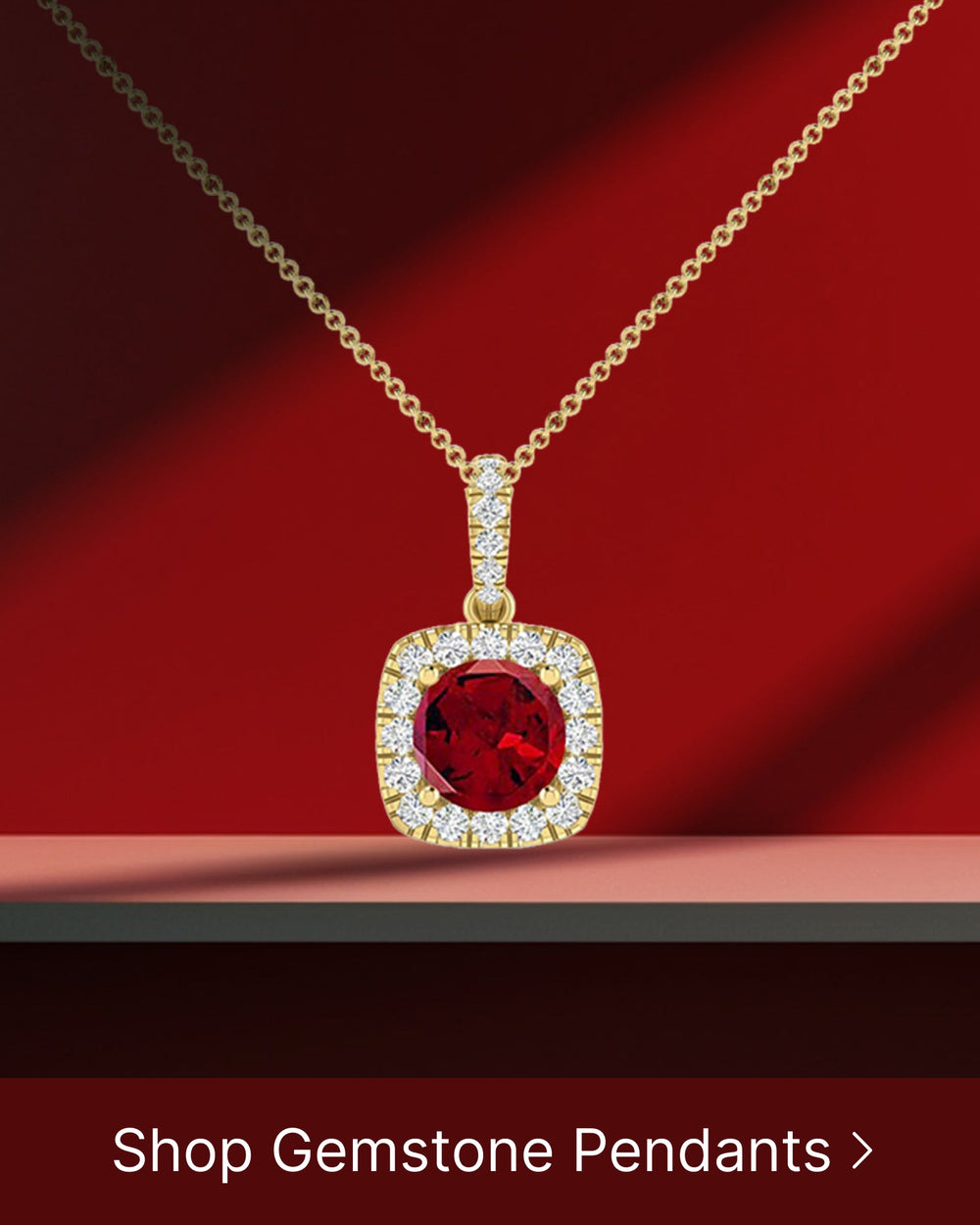
For instance, a pendant adorned with a faceted gemstone can create a stunning display of light and color. As the light hits the facets, it refracts and reflects, creating a dazzling play of hues. The gemstone seems to come alive, radiating a kaleidoscope of colors that mesmerize the viewer.
Another technique used by jewelers is the incorporation of mirrors or polished metals into their designs. These reflective surfaces bounce light around, creating an illusion of depth and dimension. A simple bracelet adorned with mirrored elements can give the impression of multiple layers, adding an intriguing visual element to the piece.
The Impact of Shape and Design
The shape and design of jewelry also contribute to its illusionary qualities. By using geometric shapes or asymmetrical patterns, jewelers can create illusions of depth or three-dimensionality. These designs give jewelry a dynamic and captivating appearance, drawing the attention of admirers.
Consider a pair of earrings with a spiral design. The spirals seem to twist and turn, creating an illusion of movement even when the earrings are still. The intricate interplay of curves and lines adds a sense of dynamism to the piece, making it visually captivating.
Furthermore, the use of asymmetry in jewelry design can create a sense of intrigue and surprise. A necklace with unevenly spaced gemstones or irregularly shaped pendants can challenge our expectations of balance and symmetry. This departure from traditional design norms adds an element of uniqueness and unpredictability to the jewelry.
It is through the skillful manipulation of light, shape, and design that jewelry artisans are able to create pieces that blur the line between reality and illusion. These captivating creations not only adorn the body but also stimulate the imagination, inviting us to explore the boundaries of what is possible.
The Art of Creating Illusion Jewelry
Creating illusion jewelry requires a blend of artistic skill and technical expertise. Jewelers employ a range of techniques and materials to bring these captivating pieces to life.
When it comes to illusion jewelry, the techniques used by jewelers are as diverse as the designs themselves. These techniques are not only a testament to the creativity of the artisans but also their ability to push the boundaries of conventional jewelry design.
Techniques Used by Jewelers
There are several techniques employed by jewelers to create optical illusions in their pieces. Each technique adds a unique element to the design, captivating the viewer's attention and challenging their perception.
One commonly used technique is inlaying. By using contrasting materials, jewelers create patterns or designs that appear to be floating or interconnected. This technique adds a sense of depth and intrigue to the jewelry, making it visually striking.
Another technique that jewelers utilize is layering. By layering materials of varying transparency, they can create a sense of depth and dimension. This technique allows the jewelry to come alive, as if it has multiple layers that play with light and shadow.
Wirework is yet another technique that adds an element of illusion to jewelry. Intricate wirework can give the illusion of movement or suspended elements within the piece. This technique adds a touch of whimsy and enchantment, making the jewelry truly mesmerizing.
These techniques, combined with the skill and artistry of the jewelers, result in pieces that are not just accessories but works of art that captivate and inspire.
Materials that Enhance Illusions
Choosing the right materials is essential in illusion jewelry design. The materials used can enhance the illusionary effect and contribute to the overall allure of the piece.
One material that jewelers often turn to is gemstones with optical phenomena. These gemstones, such as those with chatoyancy or play-of-color, create intriguing visual effects. They seem to change and shift as the light hits them, adding an element of mystery and enchantment to the jewelry.
Transparent or iridescent materials also play a significant role in enhancing the illusionary qualities of the jewelry. Glass, for example, can create a mesmerizing effect when used in illusion jewelry. Its transparency allows light to pass through, creating a play of light and shadow that adds depth and intrigue to the piece. Similarly, opal, with its iridescent colors, can create a captivating display of hues that seem to dance and shimmer.
By carefully selecting materials that possess these unique properties, jewelers are able to elevate their designs and create illusion jewelry that is truly extraordinary.
The Perception of Illusion Jewelry
When someone beholds illusion jewelry, it evokes a unique experience that goes beyond mere admiration. The perception of illusion jewelry is a sensory journey that engages the viewer on both an intellectual and emotional level.
The Viewer's Experience
When someone wears or observes illusion jewelry, their mind is transported to a realm where reality and illusion intertwine. The mesmerizing effects embedded within the designs evoke emotions of wonder and awe. The viewer is left questioning their perception and experiencing the world in a whole new light.
The Influence on Jewelry Trends
Illusion jewelry has a profound impact on jewelry trends, pushing the boundaries of traditional design and inspiring new artistic expressions. The allure of illusion designs resonates with individuals seeking unique and captivating pieces that reflect their individuality.
The Future of Illusion Jewelry
The world of illusion jewelry is poised for continued innovation and exploration. Advancements in technology and a growing emphasis on sustainability offer exciting possibilities for the future.
Technological Advancements and Possibilities
Technological advancements, such as 3D printing and augmented reality, open up a world of possibilities for illusion jewelry. These tools enable designers to push the limits of creativity and create even more immersive and captivating pieces.
Sustainability and Illusion Jewelry
As society becomes more environmentally conscious, sustainability plays an increasingly important role in jewelry design. The future of illusion jewelry lies in utilizing eco-friendly materials and sustainable practices to create ethically sound pieces that captivate without harming the planet.
In summary, the marriage of jewelry and optical illusions presents a fascinating realm where perception is challenged. From the science behind optical illusions to the techniques used by jewelers, illusion jewelry captivates and engages the viewer. As we look to the future, the possibilities for innovative and sustainable designs in the world of illusion jewelry are endless. So, immerse yourself in the enchanting world of illusion jewelry, where seeing isn't always believing.