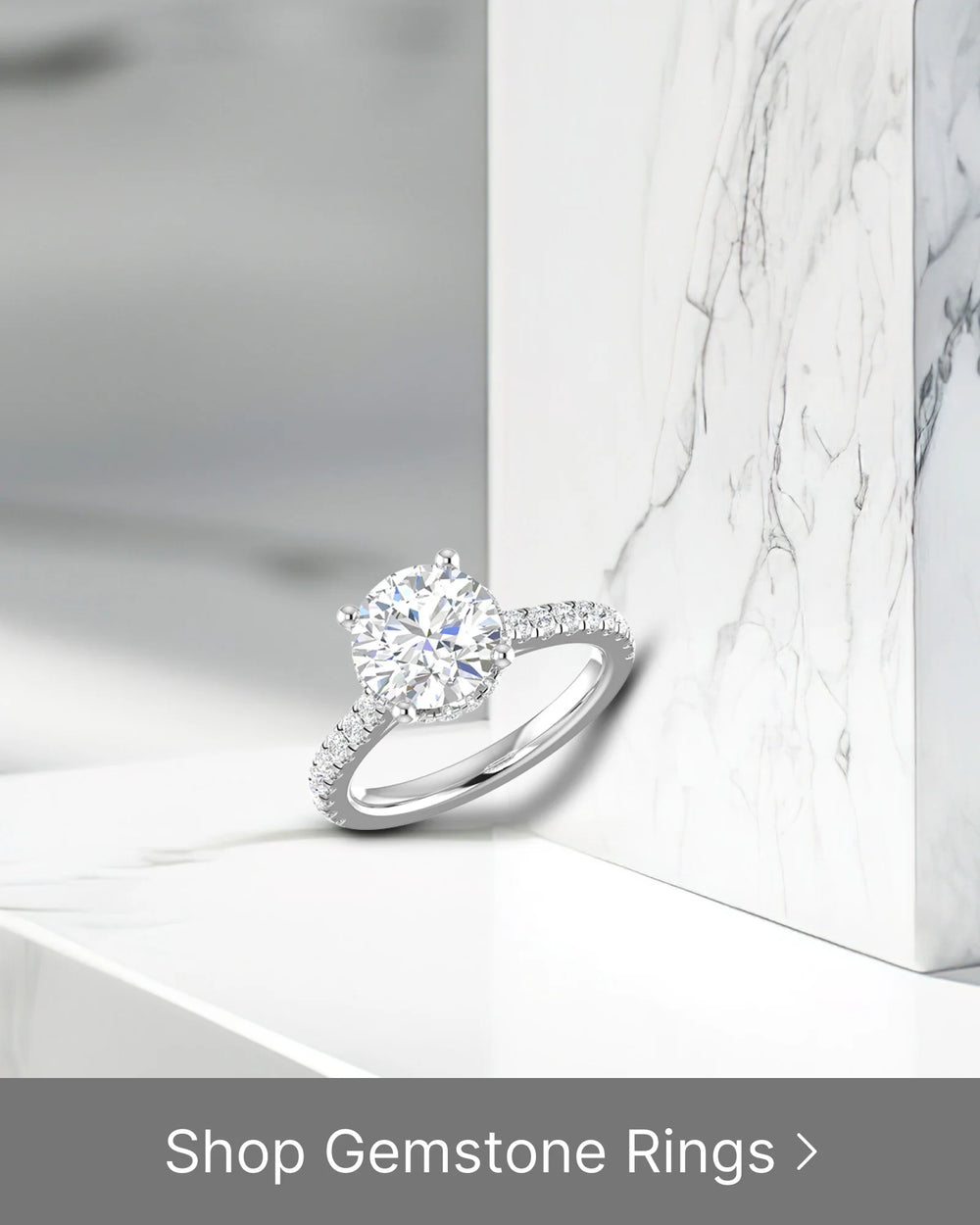
Lab-grown diamond engagement rings have emerged as a fascinating and responsible alternative to traditional mined diamond rings. With advancements in technology, these lab-grown diamonds are being cultivated in laboratories, offering consumers an exciting and ethical choice for their engagement rings. Understanding the science behind lab-grown diamonds and the evolution of engagement rings can help one appreciate the quality, characteristics, and sustainability of these gems.
Understanding Lab-Grown Diamonds
Lab-grown diamonds have revolutionized the diamond industry, offering an ethical and sustainable alternative to mined diamonds. These diamonds are created through a fascinating scientific process that mimics the natural conditions under which diamonds are formed in the earth's mantle.
The Science Behind Lab-Grown Diamonds
In order to understand lab-grown diamonds, it is important to unravel the science behind their creation. These diamonds are grown through a process called Chemical Vapor Deposition (CVD) or High Pressure High Temperature (HPHT) synthesis.
In CVD, a tiny diamond seed is placed in a chamber with a carbon-rich gas, which allows carbon atoms to build up on the seed, resulting in the growth of a diamond. This process takes place at relatively low pressures and temperatures, making it a more accessible method for diamond production.
On the other hand, HPHT involves mimicking the intense pressure and temperature conditions found in the earth’s mantle to create a diamond from a carbon source. This process requires subjecting the carbon source to extreme heat and pressure, resulting in the formation of a diamond crystal.
Both CVD and HPHT methods allow scientists to create diamonds that are physically and chemically identical to their mined counterparts. The result is a diamond that exhibits the same brilliance, hardness, and fire as a natural diamond, while eliminating some of the ethical concerns associated with diamond mining.
Quality and Characteristics of Lab-Grown Diamonds
Quality-wise, lab-grown diamonds are an excellent choice for engagement rings. They possess the same clarity, color, and carat weight as mined diamonds. In fact, lab-grown diamonds can even have higher clarity as they are grown under controlled conditions, free from the imperfections that often occur in the earth's crust.
These diamonds also offer a wide range of colors, including the popular fancy colored diamonds. Lab-grown diamonds are available in hues such as pink, blue, and yellow, allowing couples to express their unique style and personality through their choice of diamond.
Moreover, lab-grown diamonds are not subjected to conflict or bloodshed, ensuring peace of mind for the conscious consumer. By opting for a lab-grown diamond engagement ring, individuals can wear their symbol of love with the knowledge that it was created responsibly.
Lab-grown diamonds have gained popularity not only for their ethical and sustainable nature but also for their affordability. Compared to mined diamonds, lab-grown diamonds are often priced at a lower cost, making them a more accessible option for those who want a high-quality diamond without breaking the bank.
Furthermore, the production of lab-grown diamonds has a significantly lower environmental impact compared to diamond mining. Diamond mining involves extensive excavation, land disturbance, and energy consumption, whereas lab-grown diamonds are created in controlled laboratory settings, minimizing the ecological footprint.
Lab-grown diamonds also offer a unique opportunity for customization. With advanced technology, it is possible to create diamonds with specific characteristics, such as size, shape, and cut. This level of customization allows individuals to create truly one-of-a-kind pieces of jewelry that reflect their personal taste and style.
In conclusion, lab-grown diamonds are a remarkable innovation that combines science and sustainability. These diamonds offer the same beauty and quality as mined diamonds, while addressing ethical concerns and reducing the environmental impact. With their wide range of colors and customization options, lab-grown diamonds provide a dazzling choice for engagement rings and other jewelry pieces.
The Evolution of Engagement Rings
Traditional Diamond Rings: A Brief History
Engagement rings have long been a symbol of love and commitment. Traditionally, diamond engagement rings gained popularity in the mid-20th century, thanks to a clever marketing campaign by De Beers. The introduction of the iconic slogan, "A Diamond is Forever," solidified the association between diamonds and everlasting love.
But let's delve deeper into the fascinating history of traditional diamond rings. The tradition of giving engagement rings dates back to ancient times, where they were often made from simple materials like woven grass or twigs. These early rings symbolized the promise of marriage and were exchanged as a token of commitment.
It wasn't until the 15th century that diamond engagement rings began to emerge as a popular choice among European nobility. The Archduke Maximilian of Austria is credited with starting the trend when he proposed to Mary of Burgundy with a diamond ring in 1477. This royal endorsement sparked a desire for diamond rings among the upper classes, and the trend gradually spread.
Fast forward to the 20th century, and the diamond industry experienced a significant transformation. In 1947, De Beers launched their groundbreaking marketing campaign, emphasizing the emotional and symbolic value of diamonds. This campaign successfully ingrained the idea that a diamond ring was the ultimate symbol of love and commitment.
For decades, mined diamonds have been the go-to choice for engagement rings, symbolizing luxury, tradition, and a lifelong commitment. However, in recent years, there has been a shift towards more responsible alternatives, such as lab-grown diamonds.
The Rise of Lab-Grown Diamond Rings
The rise of lab-grown diamond rings can be attributed to various factors. Firstly, consumers are becoming more conscious of the impact their purchasing decisions have on the environment and society. Lab-grown diamonds offer a sustainable and ethical option that aligns with these values.
But how exactly are lab-grown diamonds created? Well, it's a fascinating process that involves replicating the natural conditions under which diamonds form deep within the Earth. Scientists use advanced technology to recreate these conditions in a controlled laboratory environment, resulting in diamonds that are chemically and physically identical to mined diamonds.
Secondly, the affordability of lab-grown diamonds has made them an attractive choice for many couples. Lab-grown diamonds are typically priced lower than mined diamonds, allowing individuals to have a larger, more exquisite stone within their budget. This affordability factor has opened up a world of possibilities, enabling couples to choose a ring that truly reflects their unique style and preferences.
Lastly, the uniqueness of lab-grown diamonds sets them apart from traditional options. Couples are increasingly drawn to the idea of a diamond that is created specifically for them, representing their love story in a truly personalized manner. With lab-grown diamonds, it's possible to select the exact specifications and characteristics of the stone, making it a one-of-a-kind symbol of their love.
As the popularity of lab-grown diamond rings continues to grow, it's important to note that traditional diamond rings still hold a special place in the hearts of many. The choice between a traditional diamond ring and a lab-grown diamond ring ultimately comes down to personal values, preferences, and budget.
Whether you choose a traditional diamond ring steeped in history and tradition or opt for a lab-grown diamond ring that embraces sustainability and personalization, the most important thing is that the ring you choose represents the love and commitment you share with your partner.
Comparing Lab-Grown and Mined Diamonds
Physical and Chemical Differences
While lab-grown diamonds possess the same physical and chemical properties as mined diamonds, there are some subtle differences that set them apart. One such difference is the presence of growth patterns in lab-grown diamonds, which can be used to distinguish them from their natural counterparts under a microscope.
Additionally, some argue that the emotional value of a mined diamond, with its connection to the earth's history, cannot be replicated by lab-grown diamonds. However, this is a matter of personal preference and significance.
Price Comparison
One of the most compelling advantages of lab-grown diamonds is their affordability. On average, lab-grown diamonds are priced around 30-40% lower than mined diamonds of comparable quality. This price advantage allows couples to allocate their budget towards other aspects of their wedding or future life together.
However, it is important to note that the price of lab-grown diamonds is influenced by factors such as size, color, and clarity, just like traditional diamonds. Therefore, individuals looking for larger or higher quality lab-grown diamonds may still incur significant expenses.
The Ethical Implications of Diamond Mining
Environmental Impact of Diamond Mining
The process of mining diamonds can have severe environmental consequences. Diamond mining often involves extensive clearance of land, resulting in deforestation and habitat destruction. It also requires significant amounts of water for processing, which can put strain on local water sources.
Additionally, diamond mining can introduce harmful pollutants into nearby water bodies, leading to further environmental degradation. The negative ecological impact of diamond mining has prompted many individuals to seek socially and environmentally responsible alternatives like lab-grown diamonds.
Human Rights Concerns in Diamond Mining
Another critical issue associated with diamond mining is the violation of human rights. In certain regions, diamond mining has been linked to unethical practices, including child labor, dangerous working conditions, and the funding of armed conflicts.
By choosing lab-grown diamond engagement rings, individuals can ensure that their purchase supports an industry free from these human rights concerns. Lab-grown diamonds provide a path towards a more ethical and responsible future where diamonds no longer contribute to human suffering.
The Sustainability of Lab-Grown Diamonds
Reducing Environmental Impact with Lab-Grown Diamonds
Lab-grown diamonds offer a sustainable alternative to mined diamonds, minimizing the negative impact on the environment. Since lab-grown diamonds are created in controlled laboratory environments, they do not require large-scale mining operations or land clearance. This greatly reduces the ecological footprint associated with diamond production.
Furthermore, the energy used in the creation of lab-grown diamonds can be sourced from renewable sources, further reducing their carbon footprint. By choosing lab-grown diamonds, individuals can make a significant contribution towards a greener and more sustainable world.
Promoting Ethical Practices with Lab-Grown Diamonds
Lab-grown diamonds promote ethical practices in the diamond industry by providing consumers with a viable alternative to mined diamonds. By choosing lab-grown diamonds, individuals are supporting an industry that prioritizes fair labor practices, safe working conditions, and transparency.
Additionally, lab-grown diamonds provide reassurance that no human rights violations were involved in the creation of the diamond. This ethical choice enables individuals to wear their engagement rings with pride, knowing that their purchase reflects their values and commitment to a responsible world.
In conclusion, lab-grown diamond engagement rings offer an exciting and responsible alternative for couples seeking luxury and ethicality. These diamonds, with their scientific precision, quality, and sustainability, are increasingly bridging the gap between luxury and responsibility. By choosing a lab-grown diamond ring, individuals can sparkle with a clear conscience, knowing that their symbol of love is not only beautiful but also aligns with their values and respects the planet we call home.