Understanding Lab-Grown Diamonds
In recent years, lab-grown diamonds have gained immense popularity in the jewelry industry. These diamonds, also known as cultured or man-made diamonds, are created in a laboratory environment using advanced scientific techniques. This innovative process mimics the natural conditions under which diamonds form in the Earth's mantle, resulting in diamonds that are visually identical to their mined counterparts.
The Science Behind Lab-Grown Diamonds
At the core of lab-grown diamonds is a fascinating scientific process. These diamonds are created using two main methods: High Pressure-High Temperature (HPHT) and Chemical Vapor Deposition (CVD). The HPHT method involves subjecting a tiny diamond seed, often a natural diamond fragment, to intense pressure and high temperatures. This causes carbon atoms to crystallize around the seed, resulting in a larger diamond.
On the other hand, the CVD method involves introducing a carbon-rich gas into a chamber where it is broken down, and the carbon atoms are deposited on a diamond seed, gradually forming a larger diamond.
Both methods require precise control of temperature, pressure, and gas composition to ensure the growth of high-quality diamonds. Scientists and engineers carefully monitor the growth process, making adjustments as needed to achieve the desired size and quality of the lab-grown diamonds.
Quality and Durability of Lab-Grown Diamonds
Lab-grown diamonds exhibit the same physical and chemical properties as natural diamonds, making them equally durable and long-lasting. These diamonds possess the distinct sparkle, brilliance, and fire that are characteristic of diamonds.
Additionally, lab-grown diamonds undergo the same rigorous grading process as mined diamonds, ensuring that they meet the highest standards of quality. Gemologists evaluate lab-grown diamonds based on the 4Cs - clarity, color, cut, and carat weight. The clarity of a lab-grown diamond refers to the absence of internal or external flaws, while color grading assesses the presence of any color tints. Cut quality determines how well a diamond reflects light, and carat weight measures the size of the diamond.
Lab-grown diamonds offer exceptional beauty, with a wide range of options available in terms of clarity, color, and cut. Whether you prefer a dazzling white diamond or a fancy colored one, lab-grown diamonds can cater to your preferences.
Furthermore, lab-grown diamonds are an ethical choice for those concerned about the environmental and social impact of diamond mining. By opting for lab-grown diamonds, you can be confident that you are supporting a sustainable and responsible industry.
In conclusion, lab-grown diamonds have revolutionized the jewelry industry with their scientific innovation and ethical appeal. These diamonds offer the same beauty, durability, and quality as mined diamonds, while also providing a sustainable alternative. Whether you are looking for an engagement ring, a pair of earrings, or a stunning necklace, lab-grown diamonds are a captivating choice that combines science and style.
The Allure of Diamond Stud Earrings
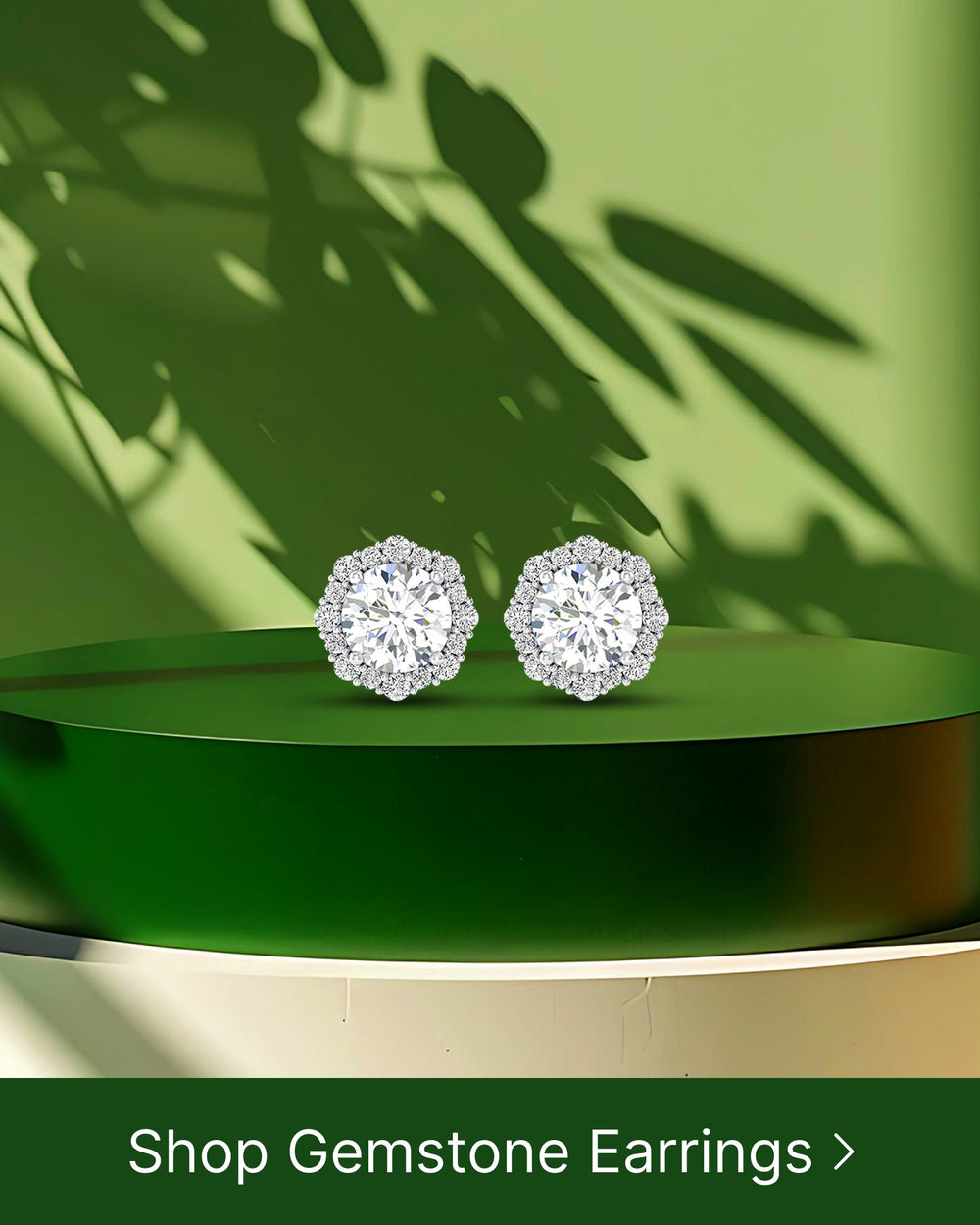
Diamond stud earrings have always been a timeless and classic jewelry choice. Their elegance and simplicity make them suitable for every occasion. These earrings represent not only style and luxury but also carry a deep symbolic meaning.
The Symbolism of Diamond Earrings
Diamonds are often associated with love, purity, and strength. Wearing diamond stud earrings can be a symbol of enduring love or a reminder of one's personal strength and beauty. They are an expression of elegance, sophistication, and success. Regardless of the occasion, diamond earrings are a meaningful accessory that adds a touch of grace to any ensemble.
When it comes to selecting the perfect diamond studs, there are a few essential factors to consider. The first is the diamond's cut, as this directly impacts its sparkle and brilliance. Popular choices include round brilliant, princess, and cushion cuts. Each cut has its unique characteristics, resulting in different levels of brilliance and fire. For example, the round brilliant cut is known for its maximum light reflection, while the princess cut offers a modern and geometric appeal. The cushion cut, on the other hand, combines the brilliance of the round cut with a vintage-inspired shape.
Aside from the cut, the color and clarity of the diamond should also be taken into account. Colorless diamonds, graded as D-F, are highly sought after for their pure and icy appearance. However, slightly tinted diamonds, graded as G-J, can also be equally stunning and offer a more affordable option. The choice between colorless and slightly tinted diamonds ultimately depends on personal preference and budget.
Furthermore, the clarity of the diamond refers to the presence of any internal or external flaws, known as inclusions and blemishes, respectively. The clarity is graded on a scale ranging from Flawless (no inclusions or blemishes visible under 10x magnification) to Included (inclusions and/or blemishes visible to the naked eye). While a higher clarity grade is desirable, it is important to note that most inclusions are not visible to the naked eye and do not affect the overall beauty of the diamond.
Finally, determining the appropriate carat weight based on personal preference and budget is crucial. Carat weight refers to the size of the diamond, with one carat equaling 200 milligrams. While larger carat weights are often associated with more significant diamonds, it is essential to consider the overall balance and proportion of the earrings with the wearer's features. Sometimes, a smaller carat weight can still create a stunning and elegant look.
By carefully considering these factors - the cut, color, clarity, and carat weight - one can find the ideal diamond studs to adorn their ears. Whether it's for a special occasion or everyday wear, diamond stud earrings are a timeless and meaningful accessory that adds a touch of glamour and sophistication to any outfit.
Lab-Grown Diamond Studs: A Sustainable Choice
Aside from their aesthetic appeal, lab-grown diamond studs offer a sustainable alternative to traditional mining. Traditional diamond mining often involves extensive environmental damage, including deforestation, habitat destruction, and soil erosion. The carbon footprint associated with mining and transportation is also significant. In contrast, lab-grown diamonds have a minimal environmental impact. As they are created in a controlled laboratory setting, the need for large-scale mining operations is eliminated, reducing the strain on natural resources.
Ethical Considerations of Lab-Grown Diamonds
Another important factor to consider is the ethical aspect of diamond production. While the diamond industry has made efforts to combat conflict or blood diamonds, concerns still exist about the mining practices associated with natural diamonds. Lab-grown diamonds offer a transparent and ethical alternative. These diamonds are produced without human rights violations, worker exploitation, or the negative impact on local communities. Choosing lab-grown diamond stud earrings allows consumers to enjoy the beauty of diamonds without supporting unethical practices.
Styling Lab-Grown Diamond Stud Earrings
The versatility of lab-grown diamond stud earrings makes them a perfect accessory for various outfits and occasions. Here are some styling tips to help you make the most of your diamond studs.
Pairing Diamond Studs with Different Outfits
Whether you're dressed casually or attending a formal event, diamond studs effortlessly elevate any outfit. For a casual look, pair them with jeans and a crisp white shirt for a touch of understated sophistication. To amp up the glamour for a special occasion, wear your diamond studs with an elegant evening gown or a tailored suit. The simplicity of the diamond studs allows them to complement virtually any ensemble.
Diamond Studs for Formal and Casual Events
It's important to consider the size of your diamond studs when selecting the appropriate earrings for different occasions. Smaller studs, such as 0.25 carat or 0.50 carat, are ideal for everyday wear or casual events. They add a subtle sparkle that enhances your overall look without overpowering it. On the other hand, larger studs, such as 1 carat or above, make a statement and are perfect for formal events or when you want to make a bold impression.
Caring for Your Lab-Grown Diamond Earrings
Proper care and maintenance are essential to ensure the longevity and brilliance of your lab-grown diamond earrings.
Cleaning and Maintenance Tips
To keep your diamond studs looking their best, regular cleaning is necessary. Use a soft brush and mild soapy water to gently remove any dirt or oil buildup. Avoid harsh chemicals or ultrasonic cleaners, as these can damage the diamond. It's also important to periodically check the setting of your earrings to make sure the diamonds are secure. If you notice any loose prongs or damage, consult a professional jeweler for repair.
Proper Storage for Diamond Jewelry
When not wearing your diamond stud earrings, store them in a soft cloth pouch or a jewelry box with individual compartments. This prevents them from coming into contact with other jewelry and potentially getting scratched. It's also advisable to avoid exposing your earrings to extreme temperatures or exposing them to heavy impact, as this can cause damage.
In summary, lab-grown diamond stud earrings offer a beautiful and sustainable choice for all occasions. Their scientifically created brilliance and durability rival those of natural diamonds. With a wide range of styles and sizes, they can be effortlessly styled with different outfits, adding a touch of elegance and sophistication. By choosing lab-grown diamonds, you not only contribute to environmental conservation but also support ethical practices. However, it's important to care for your diamond earrings properly to maintain their beauty and shine for years to come.