In the world of diamonds, shape plays a significant role in both aesthetics and value. Understanding different diamond shapes can help you make an informed decision when purchasing jewelry. From popular classics to unconventional options, each shape carries its own unique characteristics and allure. Additionally, the science behind diamond shapes, including the cutting process and the impact of symmetry, further enhances the brilliance of these precious stones. When choosing the right diamond shape for you, it's important to consider factors such as personal style, jewelry types, and even the financial aspect, as diamond shape can affect both price and resale value.
Understanding Diamond Shapes
The importance of diamond shape in jewelry cannot be overstated. The shape refers to the outline or external form of the diamond, and it is distinct from the cut. Different shapes can evoke various emotions and cater to different personal preferences. While some shapes are timeless classics, others offer a more unique and contemporary appeal.
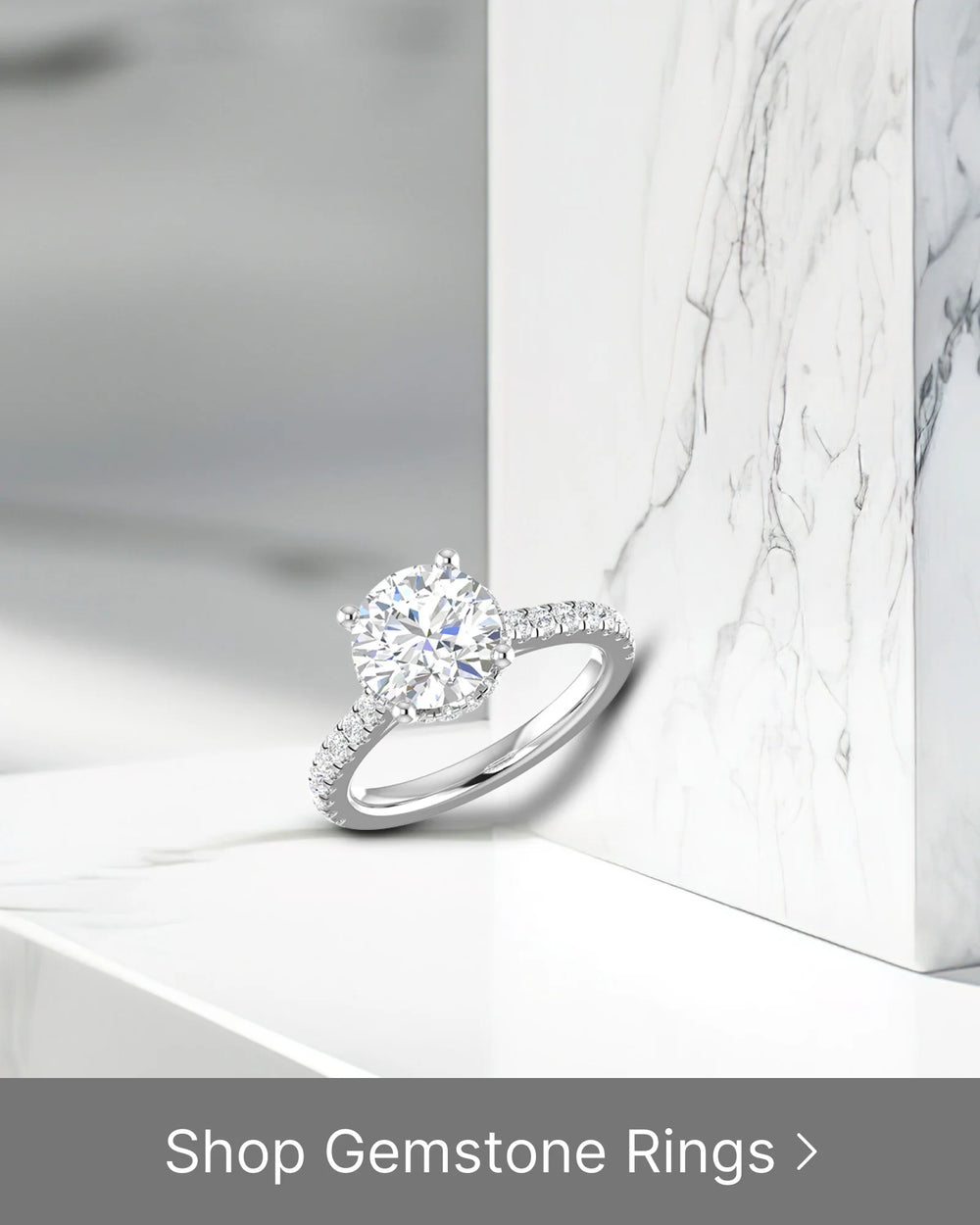
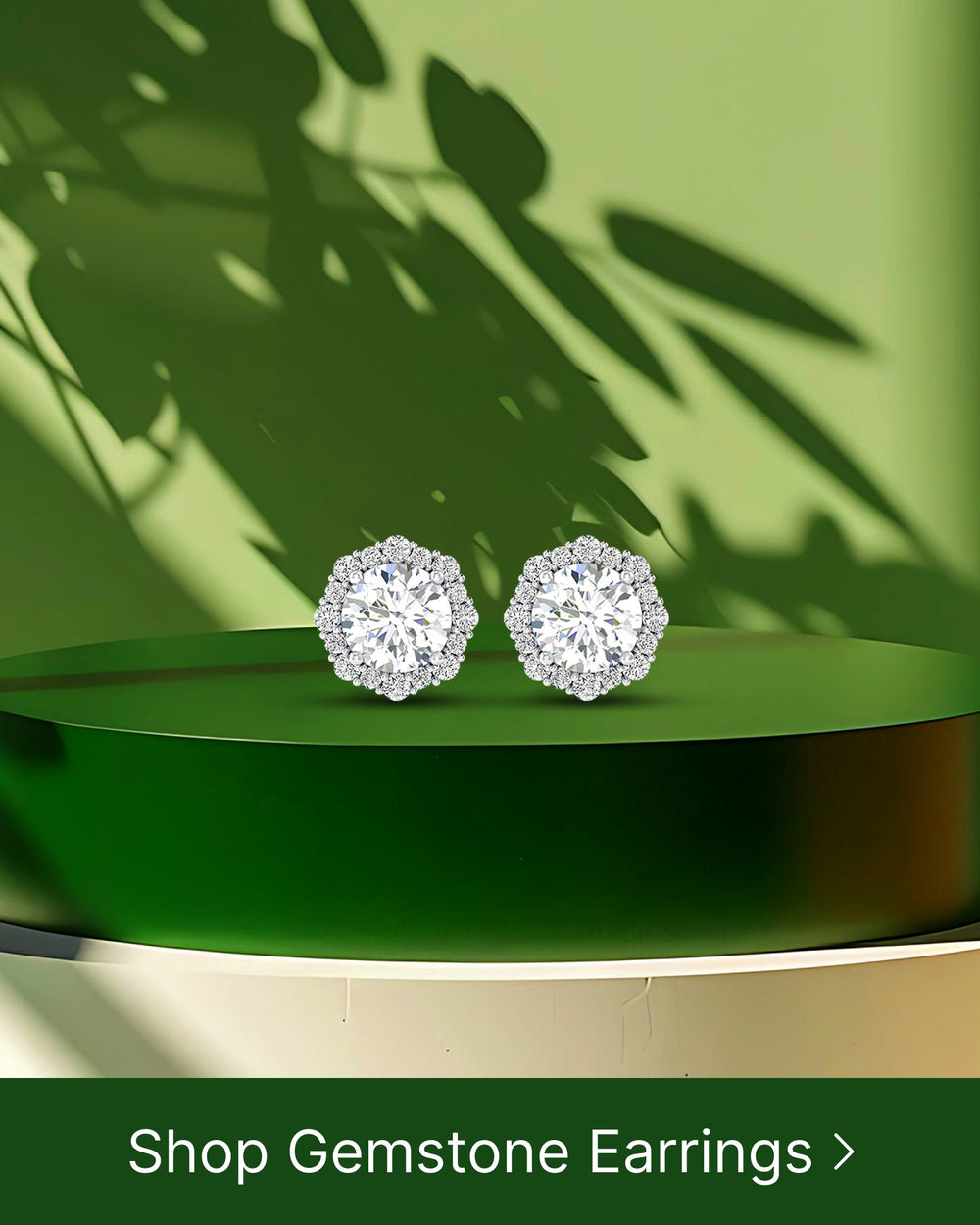
When it comes to jewelry, the diamond shape can significantly impact the overall design and style. Certain shapes complement specific types of jewelry better, creating a harmonious and balanced look. For example, round brilliant diamonds are a popular choice for engagement rings, while princess-cut diamonds often adorn solitaire pendants or earrings. By understanding the importance of diamond shape, you can choose the perfect piece of jewelry that matches your desired aesthetic.
Among the timeless classics, round brilliant diamonds stand out as the most popular shape. They are renowned for their exceptional brilliance and versatility. The round shape, with its 58 facets, maximizes the diamond's ability to reflect light, creating a stunning display of sparkle and fire. This shape is a symbol of elegance and timelessness, making it a popular choice for engagement rings and other fine jewelry pieces.
Other popular diamond shapes include princess, cushion, emerald, and oval. The princess-cut diamond features a square or rectangular shape with pointed corners, giving it a modern and sophisticated look. Cushion-cut diamonds have rounded corners and larger facets, which create a soft and romantic appearance. Emerald-cut diamonds, known for their rectangular shape and step-cut facets, exude a vintage and glamorous charm. Oval diamonds, with their elongated shape and brilliant faceting, offer a flattering and elegant look on any piece of jewelry.
Each diamond shape has its own set of characteristics, including the number of facets, the presence of corners, and the overall silhouette. These distinctions determine how the diamond interacts with light and how it appears to the naked eye. For example, the princess-cut diamond's sharp corners can add a touch of edginess to a jewelry piece, while the smooth curves of an oval diamond create a sense of grace and femininity.
If you're looking to make a statement and stand out from the crowd, considering unconventional diamond shapes might be the way to go. Shapes such as marquise, pear, and heart offer a unique and eye-catching appearance. The marquise shape, with its elongated and pointed ends, creates a dramatic and elongating effect on the finger. Pear-shaped diamonds, resembling a teardrop, are known for their elegance and versatility, as they can be worn with the point facing up or down. Heart-shaped diamonds, symbolizing love and romance, are a bold and romantic choice for jewelry.
These unconventional shapes can add an element of individuality to any jewelry piece. By exploring these options, you can find a shape that truly captures your personality and style. Whether you prefer the classic round brilliant diamond or the unconventional marquise shape, understanding the importance of diamond shape allows you to make an informed decision when selecting your next piece of jewelry.
The Science Behind Diamond Shapes
The beauty of diamond shapes is not purely coincidental; it is backed by science and craftsmanship. Diamond cutting is a meticulous process that transforms rough stones into precisely shaped gems, optimizing their brilliance and fire.
But what exactly goes into the process of cutting diamonds? How do different shapes come to be? And how does the shape of a diamond impact its brilliance? Let's delve deeper into the fascinating world of diamond cutting and shaping.
How Diamonds are Cut to Different Shapes
The process of cutting diamonds involves skillful precision and adherence to specific proportions. It is a delicate art that requires years of experience and expertise. Different techniques are employed to shape diamonds into different forms, including round brilliant, princess, emerald, and more.
For example, the round brilliant cut is the most popular and widely recognized diamond shape. It is known for its exceptional sparkle, achieved through a precise arrangement of facets that maximize light reflection and refraction. The princess cut, on the other hand, features a square or rectangular shape with pointed corners, creating a modern and elegant look.
Each diamond shape requires a unique approach to cutting, with careful consideration given to the stone's natural characteristics and potential flaws. The cutting process is carefully executed to maximize light reflection and refraction, resulting in breathtaking sparkles and scintillation.
The Role of Symmetry in Diamond Shaping
Symmetry plays a critical role in the shaping of diamonds. It refers to how precisely the facets and angles align within the stone. A well-cut and symmetrical diamond allows light to enter and exit the stone in an optimal manner, enhancing its brilliance and overall visual appeal.
When a diamond is perfectly symmetrical, the light that enters the stone is reflected and refracted evenly, creating a stunning display of sparkle. On the other hand, if the facets and angles are misaligned, the light may be distorted or unevenly dispersed, resulting in a less brilliant appearance.
When shopping for a diamond, paying attention to symmetry is essential in ensuring the stone's beauty is fully realized. A diamond with excellent symmetry will exhibit a harmonious balance of light and sparkle, captivating the eye from every angle.
The Impact of Shape on Diamond Brilliance
Each diamond shape interacts with light differently, resulting in variations in brilliance and fire. The shape you choose ultimately determines the unique play of light within the stone and the resulting visual impact.
Round brilliant diamonds, with their multitude of facets, are renowned for their exceptional sparkle. The numerous facets act as tiny mirrors, reflecting and refracting light in all directions. This creates a dazzling display of brilliance and fire, making round diamonds a popular choice for engagement rings.
On the other hand, step-cut diamonds, such as emerald and baguette shapes, offer a more understated elegance. These shapes feature larger facets that create a hall-of-mirrors effect, giving the diamonds a sophisticated and timeless appeal. While they may not exhibit the same level of sparkle as round diamonds, step-cut diamonds showcase a unique play of light and a mesmerizing interplay of geometric patterns.
Other diamond shapes, such as the pear, marquise, and heart, each have their own distinct characteristics and visual appeal. The elongated shapes of pear and marquise diamonds create a flattering and elongating effect on the finger, while heart-shaped diamonds symbolize love and romance.
When choosing a diamond shape, it is important to consider your personal style and preferences. Whether you prefer the classic brilliance of a round diamond or the sleek elegance of a step-cut diamond, each shape offers its own unique beauty and charm.
So, the next time you admire a dazzling diamond, remember that its shape is not just a matter of aesthetics. It is a result of meticulous craftsmanship and scientific principles, ensuring that every facet and angle is perfectly aligned to maximize its brilliance and create a truly mesmerizing gem.
Choosing the Right Diamond Shape for You
When selecting a diamond shape, various factors come into play. Your personal style, the type of jewelry you're considering, and even the financial aspect should all be taken into account.
Factors to Consider When Choosing a Diamond Shape
Personal preference is key when it comes to selecting a diamond shape. You should choose a shape that resonates with you, reflects your character, and matches your lifestyle. Additionally, understanding the nuances of each shape and how it aligns with your desired design can help ensure a perfect fit.
Matching Diamond Shapes to Jewelry Types
Not all diamond shapes suit every piece of jewelry. Some shapes are better suited for engagement rings, while others may shine brightest in earrings or pendants. Understanding which shape complements your desired jewelry type can contribute to a cohesive and visually pleasing final result.
Diamond Shapes and Personal Style
Your personal style can greatly influence your diamond shape preference. If you prefer a classic and timeless look, round brilliant or princess-cut diamonds may be ideal. On the other hand, if you lean towards a more contemporary and unique style, fancy shapes like marquise or pear can capture your individuality.
The Financial Aspect of Diamond Shapes
When purchasing a diamond, the shape can affect its price and potential resale value.
How Diamond Shape Affects Price
Different diamond shapes have varying degrees of popularity and demand. Round brilliant diamonds, being the most sought after, generally command higher prices. The unique beauty and rarity of fancy shapes can also influence their pricing. Factors such as cutting efficiency and rough diamond wastage can further impact the price of diamonds in specific shapes.
Investing in Different Diamond Shapes
When considering diamond shape from an investment standpoint, it's important to evaluate market trends and collector preferences. While round brilliant diamonds retain their value well, certain fancy shapes also have their niche markets. By understanding the investment potential of different shapes, you can make an informed choice based on your financial goals.
Diamond Shape and Resale Value
While the resale value of a diamond is influenced by various factors, including the overall quality and market conditions, the shape can also play a role. Popular shapes with a consistent demand are generally easier to resell. However, keep in mind that personal aesthetics and preferences change over time, so it's essential to choose a shape that holds timeless appeal to maximize its long-term value.
With this expert advice on diamond shapes, you can now approach the world of diamond buying with confidence and knowledge. Understanding and appreciating the significance of diamond shape will help you make an informed decision that aligns with your personal style, desired jewelry type, and financial objectives. Remember, mastering diamond shapes is an art in itself, so be sure to explore the vast array of options and choose a shape that truly captures the essence of your individuality.