Diamond shapes are a crucial aspect to consider when purchasing jewelry. Whether you're in the market for an engagement ring or simply looking to add some sparkle to your collection, understanding diamond shapes is essential. In this article, we will provide you with expert tips and advice to help you master diamond shapes and make informed decisions during the buying process.
Understanding Diamond Shapes
The Basics of Diamond Shapes
Before diving into the specifics, it's important to understand the basics of diamond shapes. Each diamond shape has its own unique characteristics, which can greatly affect its appearance and overall value. The most common diamond shapes include round brilliant, princess, cushion, emerald, and oval. However, there are many other less common shapes to choose from as well.
Let's take a closer look at each of these popular diamond shapes:
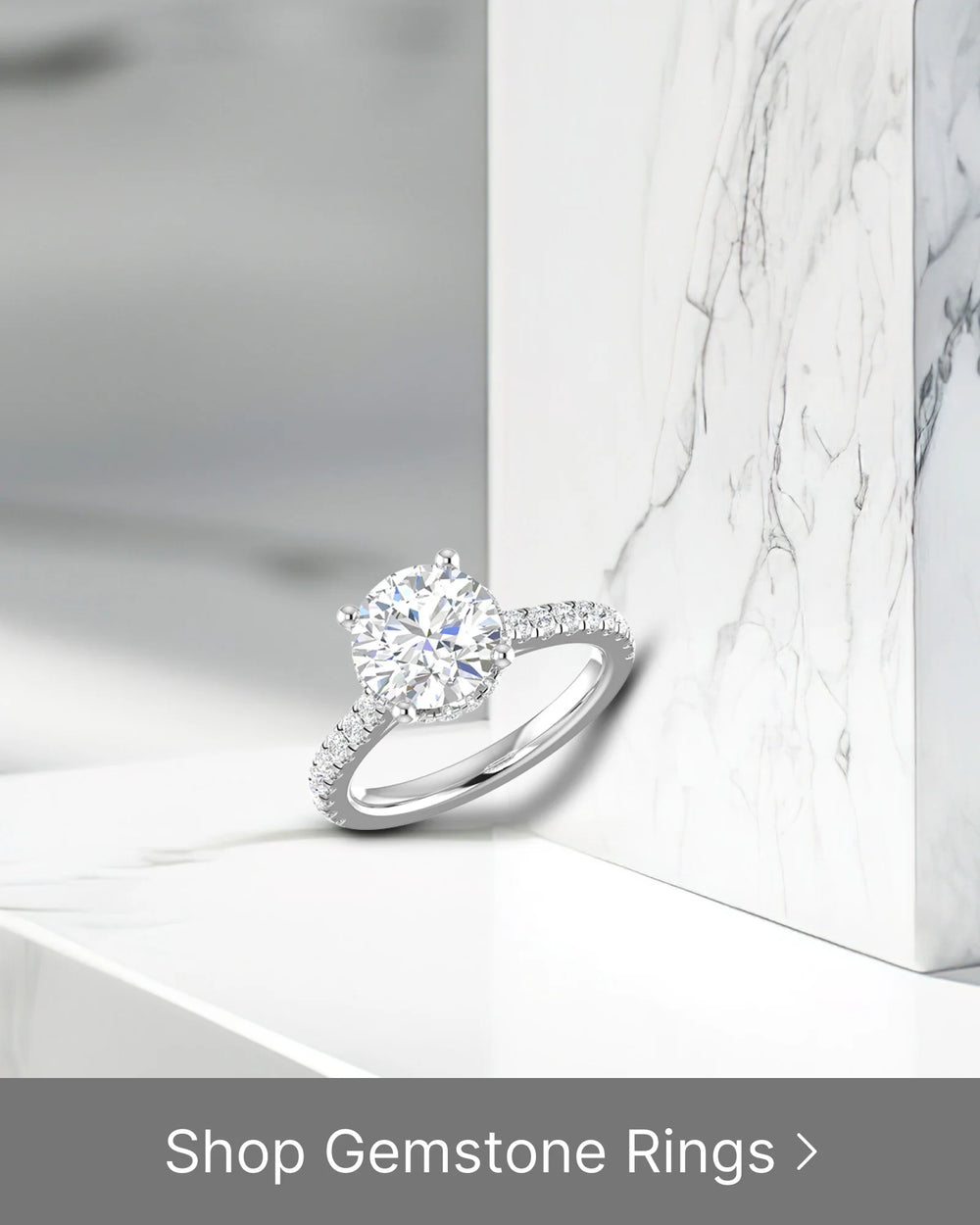
1. Round Brilliant: The round brilliant shape is the most popular and classic choice for diamond engagement rings. It features a round shape with 58 facets, allowing for maximum light reflection and brilliance.
2. Princess: The princess shape is known for its square or rectangular shape with pointed corners. It is a popular choice for those who want a modern and elegant look.
3. Cushion: The cushion shape is characterized by its rounded corners and larger facets, giving it a soft and romantic appearance. It is often chosen for vintage-inspired or antique-style engagement rings.
4. Emerald: The emerald shape is a rectangular shape with step-cut facets. It is known for its elegant and sophisticated look, often chosen for those who appreciate a more understated and timeless style.
5. Oval: The oval shape is similar to the round brilliant shape but elongated. It offers a unique and flattering look, making the finger appear longer and more slender.
These are just a few examples of the various diamond shapes available. Each shape has its own beauty and charm, allowing you to find the perfect match for your personal style and preferences.
The Importance of Diamond Shapes in Jewelry
Diamond shapes play a vital role in the overall design and aesthetics of jewelry. Different shapes can convey different styles and personalities, so it's crucial to choose a shape that complements your personal taste. Additionally, certain diamond shapes may be more suitable for specific settings or jewelry types.
When it comes to engagement rings, the diamond shape can make a significant impact on the overall appearance of the ring. For example, a round brilliant diamond may give a classic and timeless look, while a princess-cut diamond can add a modern and edgy touch. The choice of diamond shape can also affect how the ring sits on the finger and how it interacts with other gemstones or metalwork in the design.
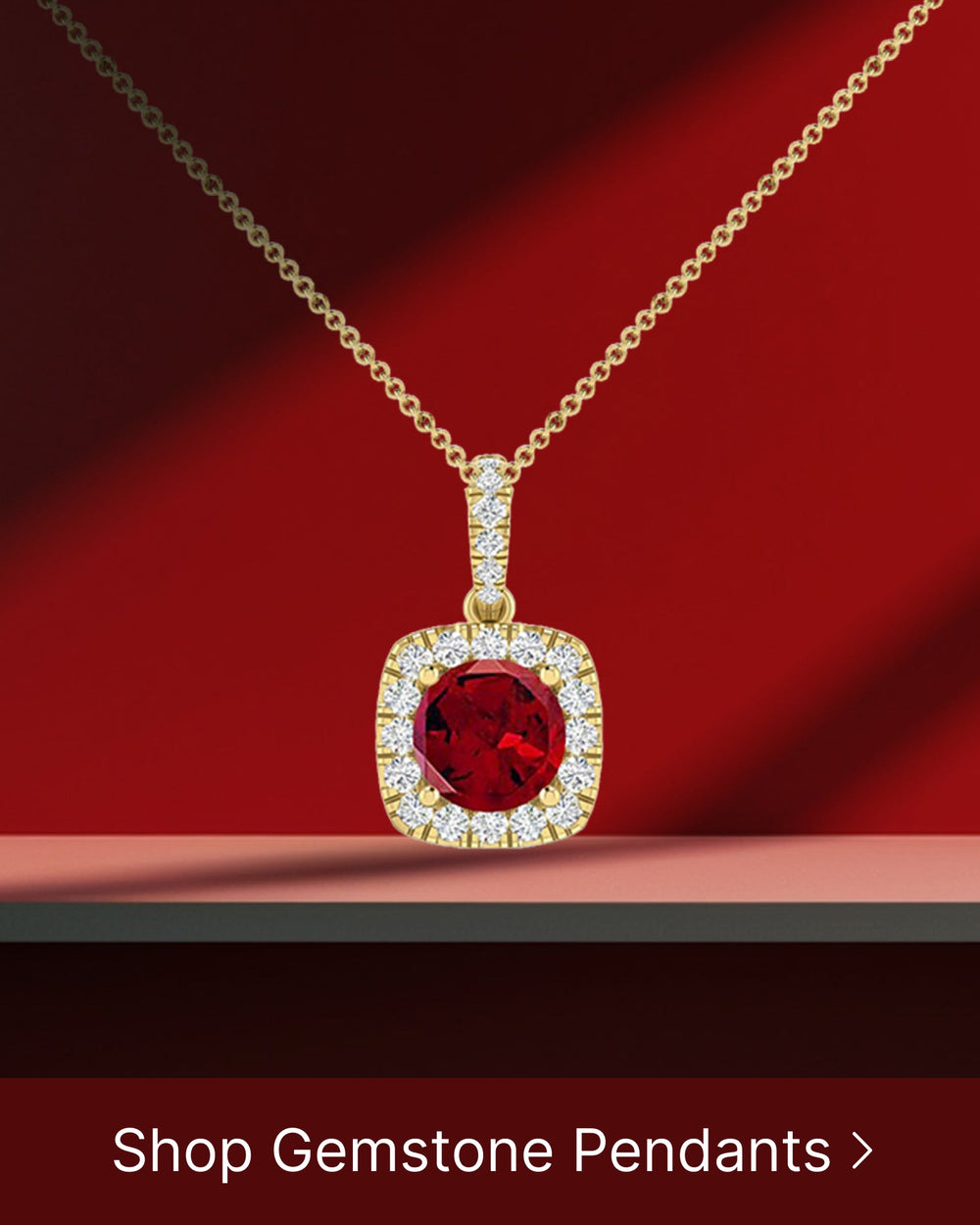
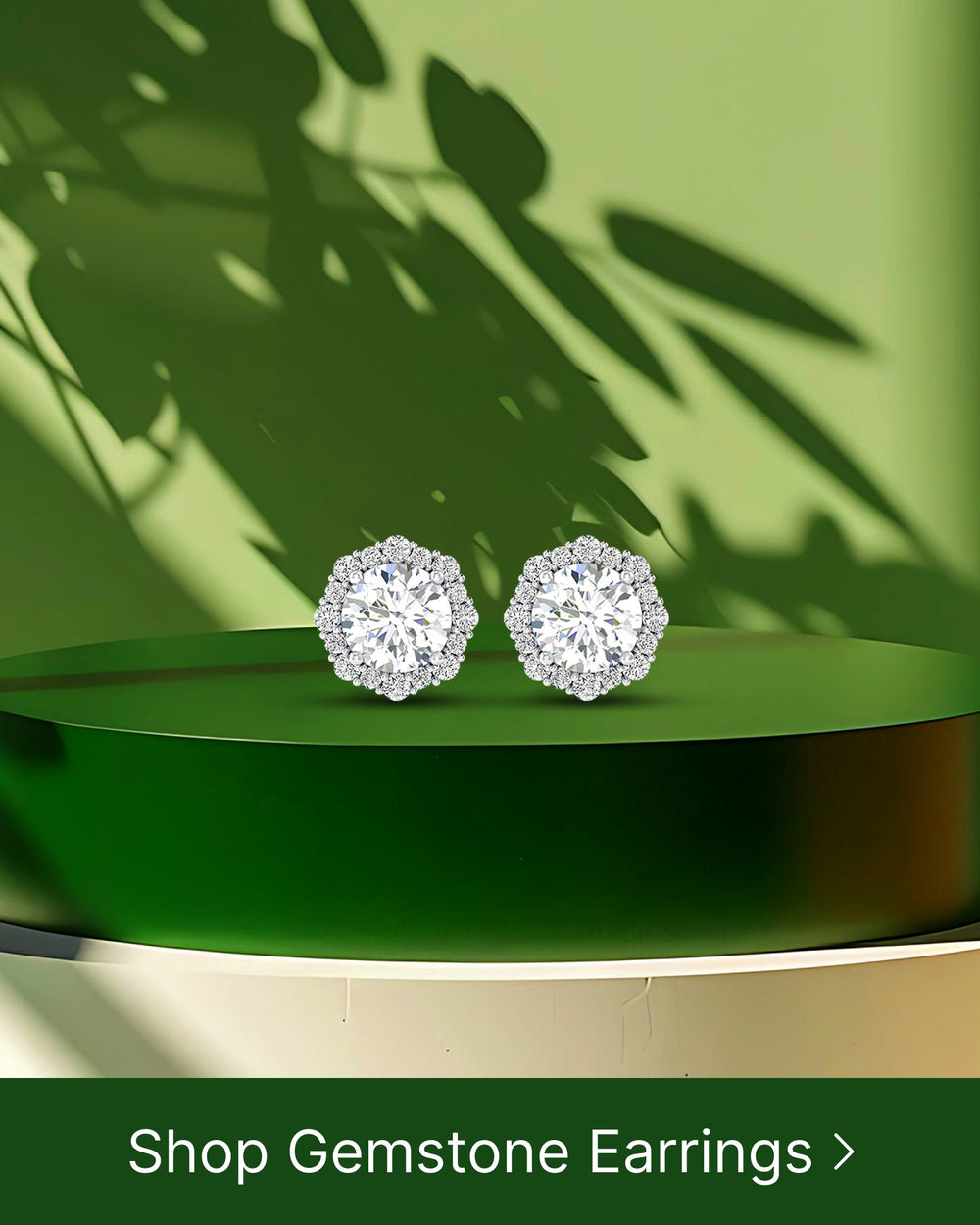
In other types of jewelry, such as earrings or pendants, the diamond shape can enhance the overall design and create a focal point. For instance, a pair of emerald-cut diamond earrings can exude elegance and sophistication, while a cluster of round brilliant diamonds can create a dazzling and glamorous effect.
Ultimately, the choice of diamond shape in jewelry is a personal one. It's important to consider your own style, preferences, and the overall design you are aiming for. Whether you prefer a classic round shape or a unique and unconventional shape, there is a diamond shape out there that will perfectly suit your taste and make a statement.
Expert Tips for Educating Yourself on Diamond Shapes
Learning about the 4Cs
When it comes to diamond education, understanding the 4Cs is essential. The 4Cs stand for carat weight, color, clarity, and cut - all factors that contribute to a diamond's overall quality and value. Educating yourself on these factors will not only help you understand diamond shapes better but also allow you to make more informed decisions when purchasing diamonds.
Let's delve deeper into each of the 4Cs:
- Carat Weight: Carat weight refers to the size of the diamond. It is important to note that carat weight does not necessarily determine the diamond's quality. A smaller diamond with excellent cut, color, and clarity can be more valuable than a larger diamond with inferior characteristics.
- Color: Diamonds come in a range of colors, from colorless to yellow or even fancy colors like blue or pink. The Gemological Institute of America (GIA) grades diamond color on a scale from D (colorless) to Z (light yellow or brown). Understanding the color grading system will help you determine the diamond's rarity and value.
- Clarity: Clarity refers to the presence of internal or external flaws, known as inclusions and blemishes, respectively. The GIA grades diamond clarity on a scale from Flawless (no inclusions or blemishes visible under 10x magnification) to Included (inclusions visible to the naked eye). Learning about clarity will help you assess a diamond's purity and brilliance.
- Cut: The cut of a diamond determines its sparkle and brilliance. It refers to how well the diamond's facets interact with light. The GIA grades diamond cut on a scale from Excellent to Poor. Understanding the different aspects of diamond cut, such as proportions, symmetry, and polish, will enable you to appreciate the beauty of each diamond shape.
Recognizing Different Diamond Shapes
Familiarize yourself with the different diamond shapes available in the market. Take the time to learn about the distinct features and characteristics of each shape. This knowledge will enable you to appreciate the various shapes and assist you in narrowing down your options based on your preferences and budget.
Here are some popular diamond shapes to explore:
- Round Brilliant: The round brilliant shape is the most popular and classic choice for engagement rings. Its 58 facets maximize the diamond's brilliance and fire, making it a timeless and elegant option.
- Princess: The princess shape is a square or rectangular diamond with pointed corners. It is known for its modern and stylish appeal, offering a combination of brilliance and uniqueness.
- Cushion: The cushion shape features rounded corners and larger facets, giving it a soft and romantic appearance. It is a popular choice for vintage-inspired engagement rings.
- Emerald: The emerald shape is a rectangular diamond with step-cut facets. It showcases a hall-of-mirrors effect, emphasizing clarity and elegance.
- Asscher: The asscher shape is similar to the emerald shape but with a square silhouette. It exudes a sophisticated and art deco vibe, perfect for those seeking a vintage-inspired look.
Exploring the different diamond shapes will not only enhance your knowledge but also help you visualize how each shape can complement different styles and personalities. Remember to consider your personal preferences, lifestyle, and budget when selecting a diamond shape.
How to Choose the Right Diamond Shape
Factors to Consider When Choosing a Diamond Shape
When choosing a diamond shape, there are several factors to consider. Firstly, consider your personal style and what appeals to you aesthetically. Additionally, think about the type of jewelry you are purchasing the diamond for and whether the shape will complement the design. Lastly, take into account your budget and how different shapes can affect the overall cost of the diamond.
Popular Diamond Shapes and Their Characteristics
Let's explore some popular diamond shapes and their unique characteristics:
- Round Brilliant: Known for its timeless elegance and exceptional sparkle, the round brilliant shape is a classic choice for engagement rings.
- Princess: With its sharp, angular shape, princess-cut diamonds offer a modern and contemporary look.
- Cushion: Cushion-cut diamonds feature rounded corners and larger facets, giving them a soft and romantic appearance.
- Emerald: The emerald shape showcases a rectangular silhouette with step-cut facets, emphasizing clarity and elegance.
- Oval: Oval diamonds offer a unique blend of sophistication and elongation, making them a popular choice among jewelry enthusiasts.
Purchasing Diamonds: What to Look For
Understanding Diamond Certifications
Before making a diamond purchase, it's crucial to understand diamond certifications. Reputable laboratories such as the Gemological Institute of America (GIA) or the American Gem Society (AGS) grade diamonds based on the 4Cs. These certifications assure you of the diamond's authenticity and quality.
Tips for Buying Diamonds Online and In-Store
Whether you are shopping for diamonds online or in-store, there are important tips to keep in mind. For online purchases, ensure that the website has clear and detailed diamond information, including high-quality images and grading reports. When buying diamonds in-store, visit reputable jewelers with good customer reviews and ask to see the certification documents for the diamonds you are considering.
Caring for Your Diamond Jewelry
Regular Maintenance for Diamond Jewelry
To keep your diamond jewelry looking its best, regular maintenance is key. This includes cleaning your diamonds regularly, either using a jewelry cleaner or a mixture of warm water and mild dish soap. Additionally, it's important to store your diamond jewelry separately from other pieces to prevent scratches and damage.
Professional Cleaning and Inspection
Aside from regular maintenance, it is advisable to have your diamond jewelry professionally cleaned and inspected periodically. Jewelers have the expertise and specialized equipment to thoroughly clean your jewelry and ensure that any potential issues are addressed early on.
In conclusion, mastering diamond shapes is essential for anyone considering purchasing diamond jewelry. By understanding the basics of diamond shapes, educating yourself on the 4Cs, and considering various factors when choosing a diamond shape, you will be well-equipped to make informed decisions during the buying process. Remember to also pay attention to diamond certifications and care for your jewelry to keep it looking beautiful for years to come.