Mastering Diamond Shapes: Tips for Educated Purchases
Diamonds are a timeless symbol of beauty and luxury. When it comes to purchasing a diamond, one of the most important factors to consider is the shape. The shape of a diamond not only affects its appearance but also its value and how it will look in a piece of jewelry. To make an informed and educated purchase, it is crucial to understand the different diamond shapes and their unique characteristics.
Understanding Diamond Shapes
Before diving into the specific shapes, let's start with the basics. The shape of a diamond refers to its outline when viewed from the top. While many people use the terms "shape" and "cut" interchangeably, they are actually different aspects of a diamond. The cut relates to the quality of how a diamond is faceted, while the shape refers to its form.
Now that we have a clear understanding of the difference between shape and cut, let's explore the fascinating world of diamond shapes. Diamonds come in a variety of shapes, each with its own distinct characteristics. The most popular diamond shapes include round, princess, emerald, cushion, and pear, among others. Let's take a closer look at each of these shapes and what makes them unique.
The Basics of Diamond Shapes
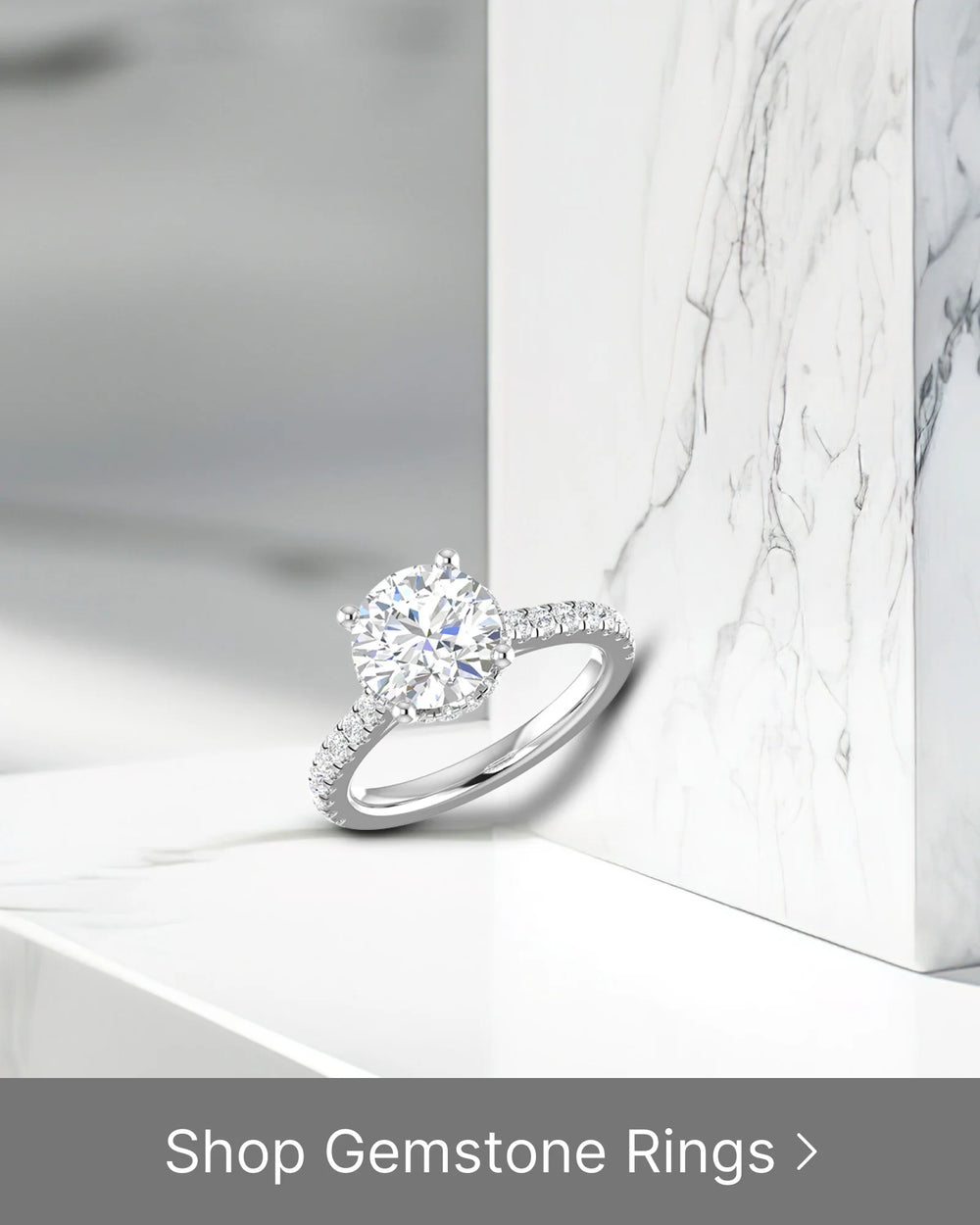
Round diamonds are the most well-known and have unmatched brilliance and fire. Their symmetrical shape and 58 facets allow for maximum light reflection, making them a classic choice for engagement rings. The round shape is timeless and versatile, suiting a wide range of styles and settings.
Princess-cut diamonds, on the other hand, have a square or rectangular shape and offer dramatic sparkle. With their pointed corners and brilliant faceting, princess-cut diamonds provide a modern and glamorous look. They are a popular choice for those seeking a unique and eye-catching engagement ring.
Emerald-cut diamonds have a step-cut design, with long, lean facets that create a beautiful, elegant appeal. This shape showcases the diamond's clarity, as the large, open table allows for easy visibility of any inclusions. The emerald shape is often associated with sophistication and timeless beauty.
Cushion-cut diamonds are known for their romantic, vintage look. With slightly rounded corners and large facets, cushion-cut diamonds offer a soft and romantic appearance. This shape is perfect for those who appreciate a touch of nostalgia and want a unique engagement ring.
Pear-shaped diamonds are a unique combination of round and marquise cuts, resembling a teardrop shape. This shape offers a unique and feminine look, with a tapering point at one end. Pear-shaped diamonds are often chosen for their elegance and versatility, as they can be worn with the point facing up or down.
Popular Diamond Shapes and Their Characteristics
Now that we have explored the basics of diamond shapes, let's delve deeper into the characteristics of some of the most popular shapes:
- Round: Offers maximum brilliance and is a classic choice for engagement rings. Its symmetrical shape and 58 facets allow for exceptional light reflection.
- Princess: Provides a modern and glamorous look with its square shape. The pointed corners and brilliant faceting create dramatic sparkle.
- Emerald: Has a sophisticated and timeless appeal due to its step-cut design. The long, lean facets showcase the diamond's clarity.
- Cushion: Evokes a vintage feel with its romantic and soft appearance. The slightly rounded corners and large facets create a unique and nostalgic look.
- Pear: Offers a unique and feminine look with a combination of round and marquise cuts. The tapering point adds elegance and versatility to this shape.
Unconventional Diamond Shapes You Should Know
While the popular diamond shapes mentioned earlier are commonly seen, there are also unconventional shapes to consider for those looking for something different. These shapes offer a unique and distinctive appeal:
- Heart: Symbolizes love and romance, with its distinctive heart-shaped outline. Heart-shaped diamonds are a popular choice for expressing deep emotions.
- Marquise: Known for its elongated shape and elegant look. The marquise shape creates the illusion of a larger diamond due to its elongated appearance.
- Oval: Provides a similar brilliance to round diamonds but with a more elongated appearance. Oval-shaped diamonds are favored for their flattering and elongating effect on the finger.
- Asscher: Resembles an emerald cut but with a square shape and cropped corners. Asscher-cut diamonds offer a unique blend of vintage and modern aesthetics.
- Radiant: Combines the brilliance of round and emerald cuts, with trimmed corners. Radiant-cut diamonds are known for their exceptional sparkle and versatility.
Now that you have a better understanding of diamond shapes, you can make an informed decision when choosing the perfect diamond for your jewelry piece. Whether you prefer a classic round shape or a unique heart shape, each diamond shape has its own allure and beauty.
The Importance of Diamond Shape in Jewelry
Now that we have explored the different diamond shapes, let's delve into why the shape is important when it comes to selecting jewelry.
How Diamond Shape Affects Value
The shape of a diamond can significantly impact its value. Round diamonds tend to be the most expensive due to their popularity and the precise craftsmanship required to create their brilliant faceting. Princess and emerald cuts also hold their value well. However, less common shapes may be available at a lower price point, making them an attractive option for those on a budget.
Diamond Shapes and Jewelry Styles
Different diamond shapes complement various jewelry styles. For instance, round diamonds are versatile and can be the centerpiece of any design, from classic solitaire rings to intricate halo settings. Princess and cushion cuts are often favored for contemporary and glamorous styles, while emerald and asscher cuts pair beautifully with vintage-inspired designs. Understanding how diamond shape interacts with jewelry style will help you create the perfect look.
Choosing the Right Diamond Shape for Your Jewelry
When selecting a diamond shape for your jewelry, consider multiple factors such as personal preference, lifestyle, and the wearer's hand shape. For example, elongated shapes like ovals and marquises can create the illusion of longer fingers. Additionally, certain shapes may be more suited to specific pieces of jewelry, such as pendants or earrings.
Tips for Buying Diamonds Based on Shape
Now that we have covered the importance of diamond shape, let's explore some tips to help you make an informed purchase.
Considerations When Choosing a Diamond Shape
In addition to personal preference, consider the following factors when selecting a diamond shape:
- Brilliance and Fire: Round diamonds offer maximum brilliance, while step-cut shapes like emerald and asscher prioritize clarity over sparkle.
- Jewelry Style: Different shapes complement various jewelry styles, so consider how the shape will fit into the overall design.
- Lifestyle: Consider the durability of the diamond shape and how it will withstand everyday wear.
- Budget: Understand the price differences between different diamond shapes and find a balance that works for you.
Mistakes to Avoid When Selecting Diamond Shapes
When purchasing a diamond, there are common mistakes to avoid to ensure you choose the right shape:
- Ignoring Personal Preference: It's essential to select a shape that resonates with your personal style and preferences.
- Overemphasizing Trends: While trends can be exciting, remember that diamond shapes are timeless, so choose a shape that you will love for years to come.
- Not Considering Jewelry Style: Make sure the diamond shape complements the jewelry style you plan to wear it with.
- Not Seeking Expert Advice: Consulting with a reputable jeweler can provide valuable insights and guidance when selecting a diamond shape.
Expert Tips for Evaluating Diamond Shapes
When evaluating a diamond of a particular shape, keep the following expert tips in mind:
- Look for Symmetry: Symmetry is crucial in most diamond shapes, so examine the stone to ensure each facet is properly aligned.
- Consider the Cut Grade: Although shape and cut are different, ensure that the diamond is well-cut to maximize its brilliance and fire.
- Check for Proportions: Different shapes have their own ideal proportions, so familiarize yourself with these guidelines and evaluate accordingly.
- Inspect Inclusions: Some diamond shapes, like emerald cuts, tend to highlight inclusions more prominently, so carefully examine the stone for any imperfections.
Caring for Diamonds of Different Shapes
After making an educated purchase and selecting the perfect diamond shape, it is essential to understand how to care for your precious gem.
Cleaning and Maintenance Tips for Different Diamond Shapes
Different diamond shapes require specific cleaning methods to maintain their sparkle and brilliance:
- Round, princess, and cushion cuts can be cleaned using a mild soap and water solution or a non-abrasive diamond cleaner.
- Emerald and other step-cut shapes require extra care due to their open facets. Clean them gently with a soft brush and a specialized jewelry cleaner.
- Pear, heart, and marquise cuts have pointed ends, so handle them carefully during cleaning to avoid any accidental damage.
Protecting Your Diamond: Shape-Specific Advice
To protect your diamond and ensure its longevity, keep in mind the following advice based on the shape:
- Avoid wearing a ring with an emerald or asscher-cut diamond when performing tasks that may expose it to rough surfaces. These shapes have vulnerable corners that are prone to chipping.
- For pear, heart, and marquise shapes, consider using prong settings to protect the delicate points and minimize the risk of damage.
- Regularly inspect your jewelry for loose stones and consult a professional jeweler if any issues arise.
Repair and Restoration for Various Diamond Shapes
If your diamond suffers damage or requires restoration, it's crucial to reach out to a professional jeweler, particularly one with expertise in the specific shape you have. Different diamond shapes may require specific techniques and skills during the repair process to ensure the stone retains its original beauty and integrity.
Mastering diamond shapes is a valuable skill that allows you to make informed and educated purchases. By understanding the different diamond shapes available, you can select a shape that complements your style, fits your budget, and brings out the beauty of your jewelry. Remember to consider personal preference, jewelry style, and expert advice, and care for your diamonds appropriately to ensure their longevity and brilliance. Happy diamond shopping!