Mastering Diamond Shapes: Tips for Education and Purchase
Diamonds are known for their timeless beauty and elegance. When it comes to purchasing a diamond, understanding the different shapes is crucial. In this article, we will explore the basics of diamond shapes, the art of choosing the right shape, tips for educating yourself, practical tips for purchasing, and caring for your diamond post-purchase.
Understanding the Basics of Diamond Shapes
Diamond shapes play a significant role in the overall appearance and beauty of the stone. The shape refers to the outline and faceting pattern of the diamond. The importance of diamond shapes cannot be understated, as they can greatly impact the stone's brilliance and sparkle.
When it comes to diamond shapes, there is a wide range to choose from. Each shape has its own unique characteristics, and it's essential to understand them before making a purchase.
Let's delve deeper into the world of diamond shapes and explore the fascinating details that make each shape special.
The Importance of Diamond Shapes
The choice of diamond shape is a matter of personal preference and style. The shape can reflect the wearer's personality and enhance the overall look of the piece of jewelry. Additionally, the shape plays a crucial role in determining the diamond's brilliance, fire, and scintillation.
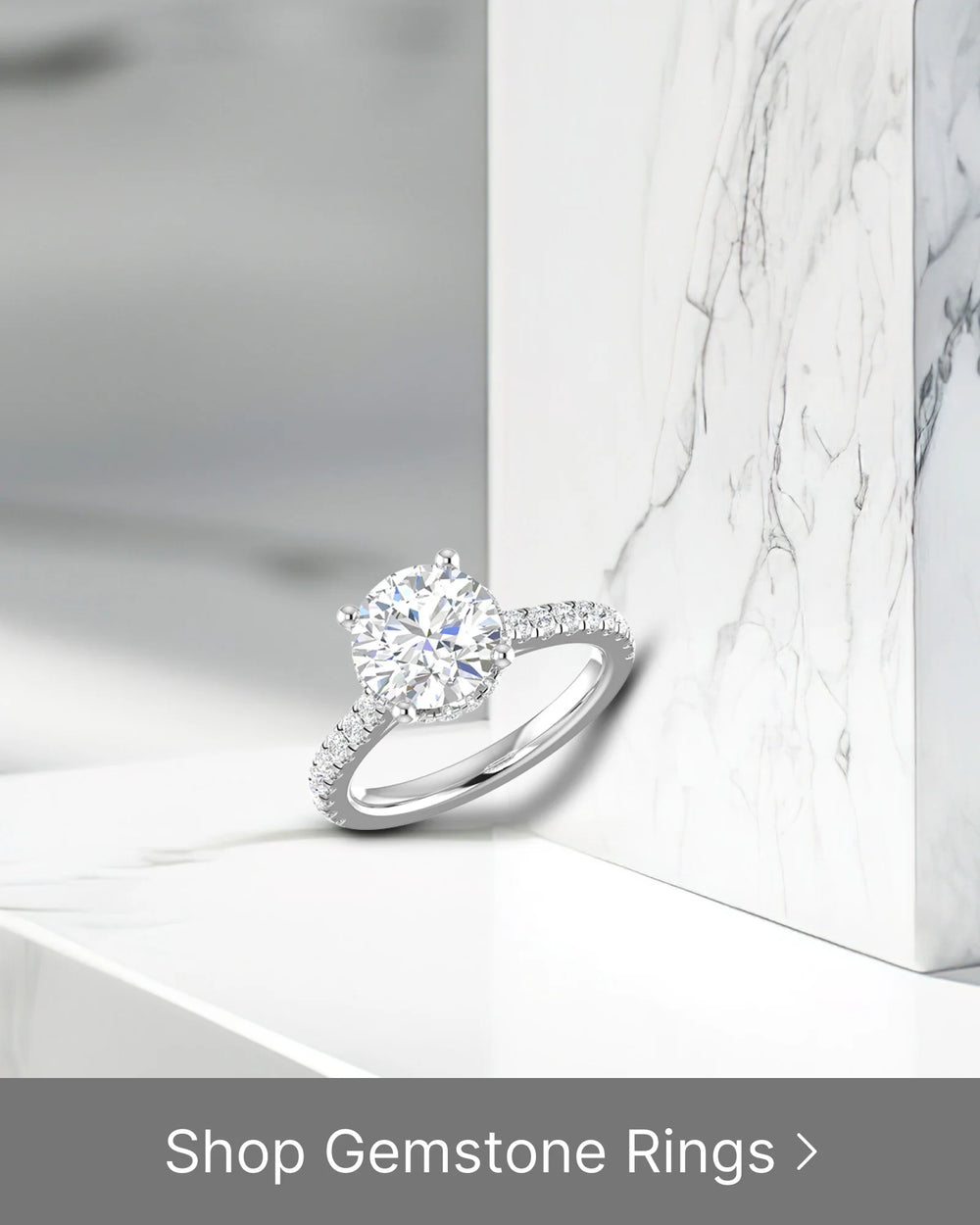
Imagine a round brilliant diamond, with its symmetrical shape and precisely cut facets. This shape is renowned for its ability to reflect light in a way that maximizes its brilliance and sparkle. The round brilliant shape has 58 facets, allowing for exceptional light reflection from various angles, creating a mesmerizing display of radiance.
On the other hand, a princess cut diamond offers a blend of modern and classic aesthetics. With its square or rectangular shape and pointed corners, it exudes elegance and sophistication. The princess cut is a popular choice for engagement rings, capturing attention with its clean lines and stunning sparkle.
Common Diamond Shapes and Their Characteristics
Now, let's take a closer look at some of the common diamond shapes and their characteristics:
- Round Brilliant: The most popular and traditional diamond shape, known for its maximum brilliance and sparkle. This shape has 58 facets, allowing for exceptional light reflection.
- Princess Cut: A square or rectangular shape with pointed corners. It is a popular choice for engagement rings, offering a blend of modern and classic aesthetics.
- Cushion Cut: This shape features rounded corners and larger facets, providing a vintage appeal and excellent light dispersion. The cushion cut is perfect for those who appreciate a romantic and timeless look.
- Emerald Cut: A rectangular shape with step-cut facets that create a hall-of-mirrors effect. This shape showcases the diamond's clarity and is ideal for those who appreciate understated elegance.
- Marquise Cut: A distinctive shape with an elongated body and pointed ends. It creates an illusion of longer, more slender fingers. The marquise cut is a unique choice that adds a touch of glamour and sophistication to any piece of jewelry.
- Oval Cut: A timeless and elongated shape that offers brilliance similar to a round diamond. It is an excellent choice for those seeking a unique yet classic look. The oval cut is known for its versatility, as it can complement a variety of hand shapes and sizes.
As you can see, each diamond shape has its own allure and charm. Whether you prefer the timeless elegance of a round brilliant or the modern sophistication of a princess cut, there is a shape that will perfectly suit your style and personality.
When choosing a diamond shape, consider factors such as your personal taste, the style of the jewelry piece, and the desired level of brilliance and sparkle. By understanding the characteristics of each shape, you can make an informed decision and select a diamond that will captivate and enchant for a lifetime.
The Art of Choosing the Right Diamond Shape
When selecting a diamond shape, there are several factors to consider. Let's explore these in detail:
Factors to Consider When Selecting a Diamond Shape
1. Personal Style: Choose a shape that resonates with your personal style and represents your individuality.
2. Hand Shape and Size: Consider the proportions of your hand to ensure the chosen shape complements your fingers and overall hand appearance.
3. Facial Features: Certain diamond shapes can enhance specific facial features, such as an oval diamond elongating a round face.
4. Lifestyle: Consider your lifestyle and the setting in which you plan to wear the diamond. Some shapes are more durable and suitable for everyday wear.
How Diamond Shape Affects Price and Value
The shape of a diamond can also impact its price and value. Round brilliant diamonds tend to be priced higher due to their popularity and the amount of rough diamond lost during the cutting process. Other shapes, such as marquise or pear, may offer a similar carat weight at a lower price point.
It's essential to balance your desired shape with your budget to make an informed decision.
Tips for Educating Yourself About Diamond Shapes
Educating yourself about diamond shapes is crucial to make an informed purchase. Here are some tips to get started:
Reliable Sources for Diamond Shape Education
1. Certified Gemologists: Consult certified gemologists who can provide expert advice and guide you in selecting the right diamond shape for your preferences.
2. Online Resources: Trusted diamond education websites offer comprehensive information on various diamond shapes, their characteristics, and tips for purchasing.
3. Professional Recommendations: Seek recommendations from trusted jewelers who have a reputation for providing accurate and unbiased information.
Misconceptions About Diamond Shapes
There are several misconceptions surrounding diamond shapes. Let's debunk some common myths:
- Bigger is Not Always Better: The carat weight of a diamond does not directly correlate to its size or beauty. A well-cut smaller diamond can often appear more brilliant than a larger one with poor cut quality.
- Shape and Cut Are Not the Same: The shape refers to the diamond's outline, while the cut refers to the diamond's facets and how well they interact with light. Both shape and cut contribute to the overall beauty of a diamond.
- There is No Perfect Shape: It's important to choose a shape that you personally love and that suits your style, rather than getting caught up in the idea of a "perfect" shape.
Practical Tips for Purchasing Diamonds
When it comes to purchasing diamonds, here are some practical tips to consider:
How to Evaluate a Diamond's Shape Quality
1. Cut Quality: Look for a well-cut diamond with precise proportions that optimize brilliance and fire.
2. Clarity: Inspect the diamond for any visible flaws or inclusions that may affect its overall beauty.
3. Color: Determine the diamond's color grade, keeping in mind that certain shape styles, such as emerald cuts, tend to showcase color more prominently.
4. Carat Weight: Consider the desired carat weight based on personal preference and budget.
Negotiating the Best Price for Your Diamond Shape
When negotiating the best price for your diamond, keep the following in mind:
1. Research: Research the current market prices and understand the value of the diamond shape you are interested in.
2. Comparison Shop: Visit multiple reputable jewelers and online platforms to compare prices and ensure you are getting a fair deal.
3. Consider Certification: Opt for a certified diamond to ensure its authenticity and value, which can provide leverage when negotiating.
Caring for Your Diamond Post-Purchase
After purchasing your diamond, it's essential to take proper care to maintain its brilliance and shape. Here are some maintenance tips for different diamond shapes:
Maintenance Tips for Different Diamond Shapes
1. Round Brilliant: Clean your round brilliant diamond regularly using a mild solution of soap and warm water. Avoid using harsh chemicals that may damage the stone or its setting.
2. Princess Cut: Inspect the corners of your princess cut diamond periodically to ensure they are secure. Consider re-tipping if necessary to prevent any damage.
3. Cushion Cut: Clean your cushion cut diamond with a soft-bristle brush and warm water. Avoid exposing the stone to extreme temperatures or sharp blows.
4. Emerald Cut: Protect the edges of your emerald cut diamond from chipping by avoiding activities that may subject it to excessive impact.
5. Marquise Cut: Keep your marquise cut diamond away from potentially abrasive surfaces to prevent scratches and maintain its sparkle.
6. Oval Cut: Inspect the prongs holding your oval cut diamond periodically to ensure they are secure. Have them retightened if they become loose.
Ensuring the Longevity of Your Diamond's Shape
To ensure the longevity of your diamond's shape:
1. Regular Professional Inspections: Have your diamond inspected by a professional jeweler at least once a year to catch any potential issues early.
2. Safe Storage: Store your diamond jewelry in a soft pouch or jewelry box to prevent it from coming into contact with other items that may scratch or damage it.
3. Avoid Extreme Temperatures: Avoid exposing your diamond to extreme temperature changes, as it can cause the stone to expand or contract and potentially lead to damage.
Mastering diamond shapes is a journey that can enhance your appreciation for these exquisite gemstones. Understanding the basics, choosing the right shape, educating yourself, making a well-informed purchase, and caring for your diamond post-purchase are all vital steps towards becoming a knowledgeable diamond enthusiast. With careful consideration and proper care, your diamond shape will continue to shine brilliantly for years to come.