Pressure setting is a technique widely used in jewelry design to enhance the beauty of solitaire pieces while also providing a cost-effective option for consumers. In this article, we will delve into the basics of pressure setting, explore its role in jewelry design, discuss the process involved, and weigh the pros and cons of choosing pressure setting. We will also provide maintenance tips and advice for taking care of pressure set jewelry. Read on to discover how pressure setting can be the answer to achieving a stunning solitaire look without breaking the bank.
Understanding the Basics of Pressure Setting
Pressure setting is a method of securing gemstones, particularly solitaires, into a piece of jewelry using pressure to hold them in place. Unlike traditional prong or bezel settings, pressure setting does not require any additional metal to hold the stone. Instead, the gemstone is set into a specially designed mounting that exerts pressure on the stone, keeping it securely in place.
What is Pressure Setting?
Pressure setting, also known as tension setting or embracing setting, is a technique that creates the illusion of a floating gemstone. The mountings used in pressure setting have an opening that is slightly smaller than the diameter of the stone, allowing the gem to be pushed into place and held securely by the pressure exerted by the metal.
The Art and Science Behind Pressure Setting
The beauty of pressure setting lies in its ability to showcase the gemstone in all its glory. With no metal covering the sides or top of the stone, light can enter from multiple angles, enhancing its brilliance and sparkle. The precision and skill required to create a pressure setting is a testament to the artistry and craftsmanship involved in jewelry design. It is a delicate balance between exerting enough pressure to securely hold the stone while not exerting too much pressure that could damage the gem.
When it comes to pressure setting, the choice of metal is crucial. The metal used must be strong enough to exert the necessary pressure on the gemstone, but also flexible enough to allow for the stone to be inserted and removed when needed. Common metals used for pressure setting include platinum, gold, and titanium.
One of the advantages of pressure setting is that it allows for maximum visibility of the gemstone. The absence of metal surrounding the stone creates an open and airy look, making the gem appear larger and more prominent. This is especially desirable for gemstones with exceptional color or clarity, as it allows their natural beauty to take center stage.
Pressure setting requires a high level of expertise and precision. The jeweler must carefully measure the dimensions of the gemstone and create a mounting that will exert just the right amount of pressure to hold it securely in place. This involves calculating the exact dimensions of the opening in the mounting and ensuring that it aligns perfectly with the dimensions of the gemstone.
Another important consideration in pressure setting is the safety of the gemstone. Since pressure setting does not rely on additional metal to hold the stone, there is a risk of the gem becoming loose or falling out if the pressure is not properly maintained. Therefore, it is crucial to regularly inspect pressure-set jewelry to ensure that the gemstone is still securely held in place.
In conclusion, pressure setting is a unique and innovative technique in jewelry design. It offers a modern and stylish way to showcase gemstones, allowing them to shine in all their glory. With its ability to create the illusion of a floating gemstone and maximize visibility, pressure setting is a popular choice for those looking for a contemporary and eye-catching jewelry piece.
The Role of Pressure Setting in Jewelry Design
Pressure setting plays a significant role in jewelry design, particularly when it comes to solitaire pieces. From engagement rings to pendants, pressure setting allows the gemstone to be the focal point of the design, grabbing attention and creating a sense of elegance and sophistication.
When it comes to creating a stunning piece of jewelry, every detail matters. Pressure setting, also known as tension setting, is a technique that enhances the beauty of solitaire stones by showcasing their clarity and cut. With minimal metal interference and maximum light penetration, the gem appears to float, creating a mesmerizing effect.
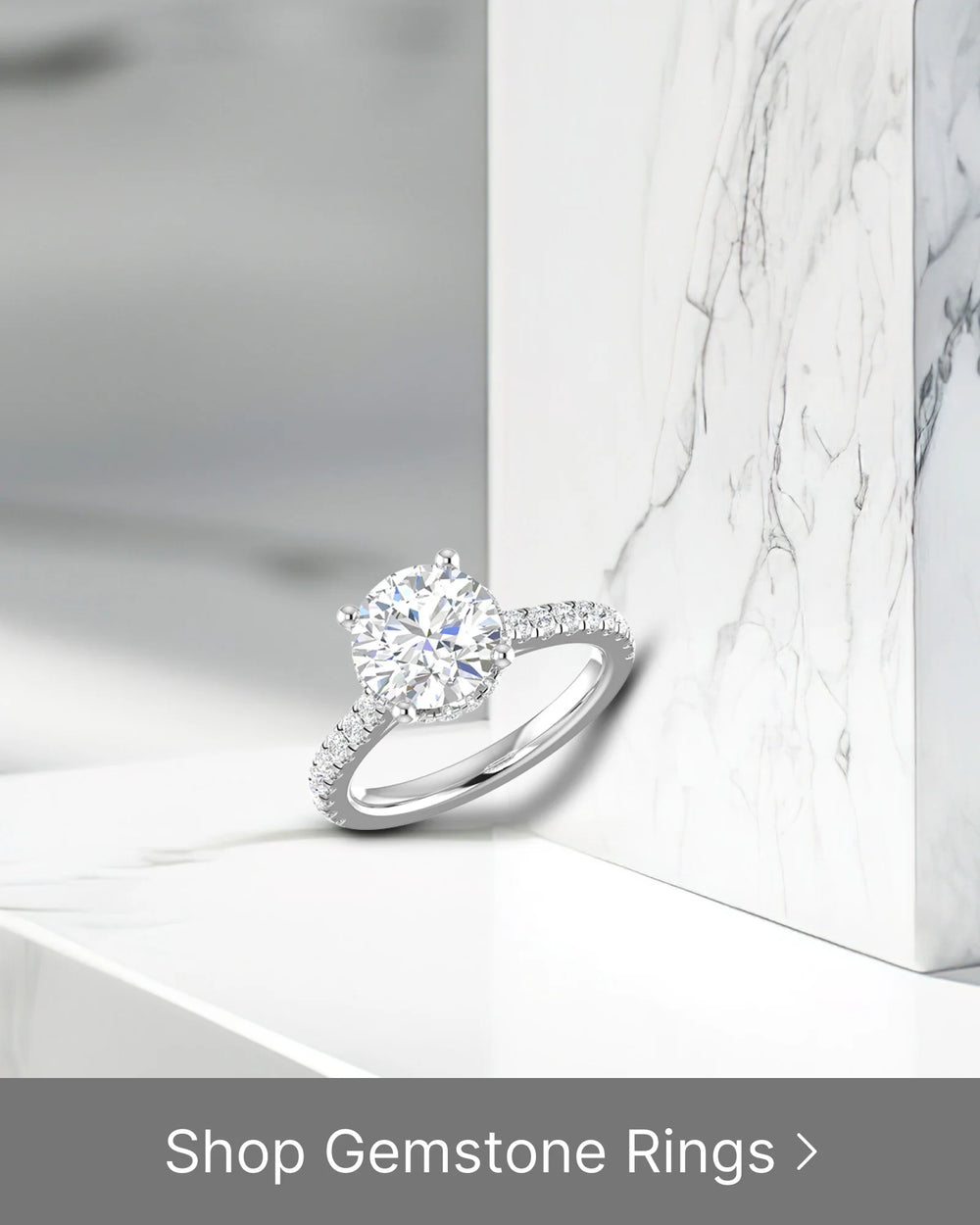
Imagine a solitaire diamond engagement ring that catches the light from every angle, with the diamond seemingly suspended in mid-air. This is the magic of pressure setting. Whether it's a diamond, sapphire, or any other precious gem, pressure setting brings out the best in solitaires.
Enhancing the Beauty of Solitaire with Pressure Setting
Pressure setting is a popular choice for solitaire jewelry because it accentuates the beauty of the gemstone. The technique involves using the pressure of the metal to hold the stone securely in place, without the need for prongs or bezels. This allows for a clear view of the gem from all sides, showcasing its brilliance and sparkle.
Furthermore, pressure setting allows for unique and creative designs that are not possible with traditional settings. The absence of prongs or bezels means that the gemstone can be set in various orientations, creating a visually striking piece of jewelry. Whether it's a solitaire diamond pendant or a statement ring, pressure setting offers endless possibilities for jewelry designers to explore.
Why Pressure Setting is a Cost-Effective Option
Aside from its aesthetic benefits, pressure setting is also a cost-effective option for those looking to invest in a solitaire piece. Compared to traditional settings that require multiple prongs or extensive metalwork, pressure setting uses less metal, resulting in a more affordable option.
By minimizing the amount of metal used in the setting, pressure setting allows the gemstone to take center stage without adding unnecessary weight or cost. This makes pressure setting an attractive choice for those looking for a stunning solitaire without breaking the bank.
Furthermore, the simplicity of pressure setting means that the jewelry piece requires less maintenance over time. With fewer prongs or bezels to inspect and repair, the overall cost of owning a pressure-set solitaire is lower compared to other setting styles.
Whether you're a jewelry enthusiast or a designer, understanding the role of pressure setting in jewelry design is essential. From enhancing the beauty of solitaire stones to offering a cost-effective option, pressure setting has revolutionized the way we appreciate and create stunning jewelry pieces.
The Process of Pressure Setting
The process of pressure setting requires specialized tools and techniques to ensure the gemstone is securely held in place while maintaining its beauty and integrity. Let's take a closer look at the tools and step-by-step guide involved in pressure setting.
Tools and Techniques Used in Pressure Setting
Pressure setting requires precision instruments such as jewelers' hammers and burs, as well as careful consideration of the gem's size, shape, and hardness. Jewelers use these tools to create a precise opening in the metal mounting that will hold the gemstone securely without damaging it.
The Step-by-Step Guide to Pressure Setting
The process of pressure setting involves multiple steps to ensure the gem is securely held in place. It starts with creating a precise opening in the metal mounting using specific burs, followed by carefully pushing the gemstone into the mounting and adjusting the metal to exert pressure on the stone. This step-by-step process requires expertise and attention to detail to achieve a flawless pressure setting.
The Pros and Cons of Pressure Setting
While pressure setting offers numerous advantages, it's essential to consider both the pros and cons before choosing this setting style for your solitaire piece.
The Advantages of Choosing Pressure Setting
One of the primary advantages of pressure setting is the enhanced appearance of the gemstone. With minimal metal interference, the gemstone appears larger and more vibrant. Additionally, pressure setting is a cost-effective option, making it accessible to a wider range of budgets.
Potential Drawbacks of Pressure Setting
Despite its benefits, pressure setting is not suitable for all gemstones. Some stones, such as softer gems or those with internal flaws, may be more prone to damage from the pressure exerted during setting. Additionally, resizing a pressure-set ring can be more challenging due to the precision required to maintain the pressure on the stone. It is crucial to consult with a professional jeweler to assess the suitability of pressure setting for your specific gemstone.
Maintenance and Care for Pressure Set Jewelry
Proper maintenance and care are essential to keep pressure set jewelry looking its best and to ensure the gemstone remains secure. Here are some tips for cleaning and preserving your pressure set solitaire piece.
Tips for Cleaning and Preserving Pressure Set Solitaire
To clean pressure set jewelry, gently scrub the piece using a soft toothbrush and mild soap in warm water. Avoid using harsh chemicals or abrasive cleaners that could damage the gemstone or metal. Regularly inspect the setting to ensure the gemstone remains secure, and immediately seek professional help if you notice any looseness or damage.
When to Seek Professional Help for Pressure Set Jewelry
If you have any concerns about the security or condition of your pressure set jewelry, it is always best to consult with a professional jeweler. They have the expertise and tools necessary to assess the setting, tighten any loose gems, and repair any damage that may have occurred.
In conclusion, pressure setting offers a stunning and cost-effective option for showcasing solitaire gemstones. Its unique design allows gems to appear more brilliant while minimizing the amount of metal used in the setting. However, it is essential to consider the gem's suitability and potential challenges when choosing pressure setting. With proper maintenance and care, pressure set jewelry can bring years of beauty and enjoyment. Whether you are considering a pressure-set engagement ring or a solitaire pendant, this jewelry technique can be the answer to achieving a stunning solitaire look without breaking the bank.