The ABCs of Diamond Carat Total Weight: A Glossary
Diamond carat total weight is a crucial factor to consider when purchasing diamond jewelry. Understanding the intricacies of carat weight can help you make informed decisions and ensure that you get the best value for your money. This article serves as a comprehensive glossary to guide you through the world of diamond carat total weight.
Understanding Diamond Carat Total Weight
Carat weight is the measurement used to determine the size of a diamond. It is often mistakenly thought of as a measure of a diamond's quality, but in reality, carat weight refers to the diamond's weight and not its visual appearance or brilliance.
When it comes to diamonds, size matters. The carat weight of a diamond is a significant factor in determining its overall value and desirability. However, there is more to carat weight than meets the eye.
The Basics of Carat Weight
Carat weight is derived from the term "carob," which was once used to balance scales in ancient markets. The carob seed was known for its consistent weight, making it an ideal reference point for measuring the weight of precious gemstones. Nowadays, carat weight is standardized, with one carat equaling 200 milligrams. This standardized system allows for accurate and precise measurements of a diamond's weight.
Imagine holding a one-carat diamond in the palm of your hand. It may seem small, but in the world of diamonds, it is a significant size. The weight of a diamond is directly proportional to its carat weight, meaning that a higher carat weight indicates a larger diamond.
However, carat weight alone does not determine a diamond's worth; other factors, such as cut, color, and clarity, also play a significant role. A diamond's cut refers to how well it has been shaped and faceted, affecting its brilliance and sparkle. The color of a diamond can range from colorless to yellow or even fancy colors like pink or blue. Finally, the clarity of a diamond refers to the presence of any internal or external flaws, known as inclusions and blemishes, respectively.
How Carat Weight Affects Diamond Value
As mentioned earlier, the size of a diamond is directly proportional to its carat weight. Generally, larger diamonds are more valuable and, therefore, typically come with a higher price tag. The allure of a big, dazzling diamond is undeniable, but it is crucial to consider the quality factors alongside carat weight.
For example, a one-carat diamond with excellent cut, color, and clarity will be more expensive than a one-carat diamond with lower quality grades. The overall beauty and desirability of a diamond depend on the perfect balance between carat weight and quality factors. It is the harmonious combination of these elements that creates a visually appealing and valuable piece of jewelry.
When shopping for a diamond, it is essential to have a clear understanding of your priorities. If size is your main consideration, you may opt for a larger carat weight with slightly lower quality grades. On the other hand, if quality and brilliance are your top priorities, you may choose a smaller carat weight with higher quality grades.
Common Misconceptions About Carat Weight
One common misconception is that carat weight solely determines a diamond's size. While carat weight does provide a general idea of a diamond's size, it is not the only factor to consider. The shape and cut of a diamond also play a crucial role in how large it appears.
For example, a well-cut diamond with a shallow depth can appear larger than a poorly cut diamond with a deeper depth, even if they have the same carat weight. The way light interacts with the diamond's facets and reflects back to the viewer's eye can create an illusion of size.
Another misconception is that a larger carat weight always means a better diamond. While a bigger diamond may be more visually striking, it does not guarantee superior quality. As mentioned earlier, a diamond's quality factors, such as cut, color, and clarity, are equally important in determining its overall value and appeal.
When choosing a diamond, it is essential to prioritize these factors alongside carat weight to find the perfect diamond for your needs. Whether you desire a show-stopping statement piece or a delicate and elegant diamond, understanding the relationship between carat weight and diamond quality will guide you in making an informed decision.
The Importance of Diamond Carat Weight in Jewelry
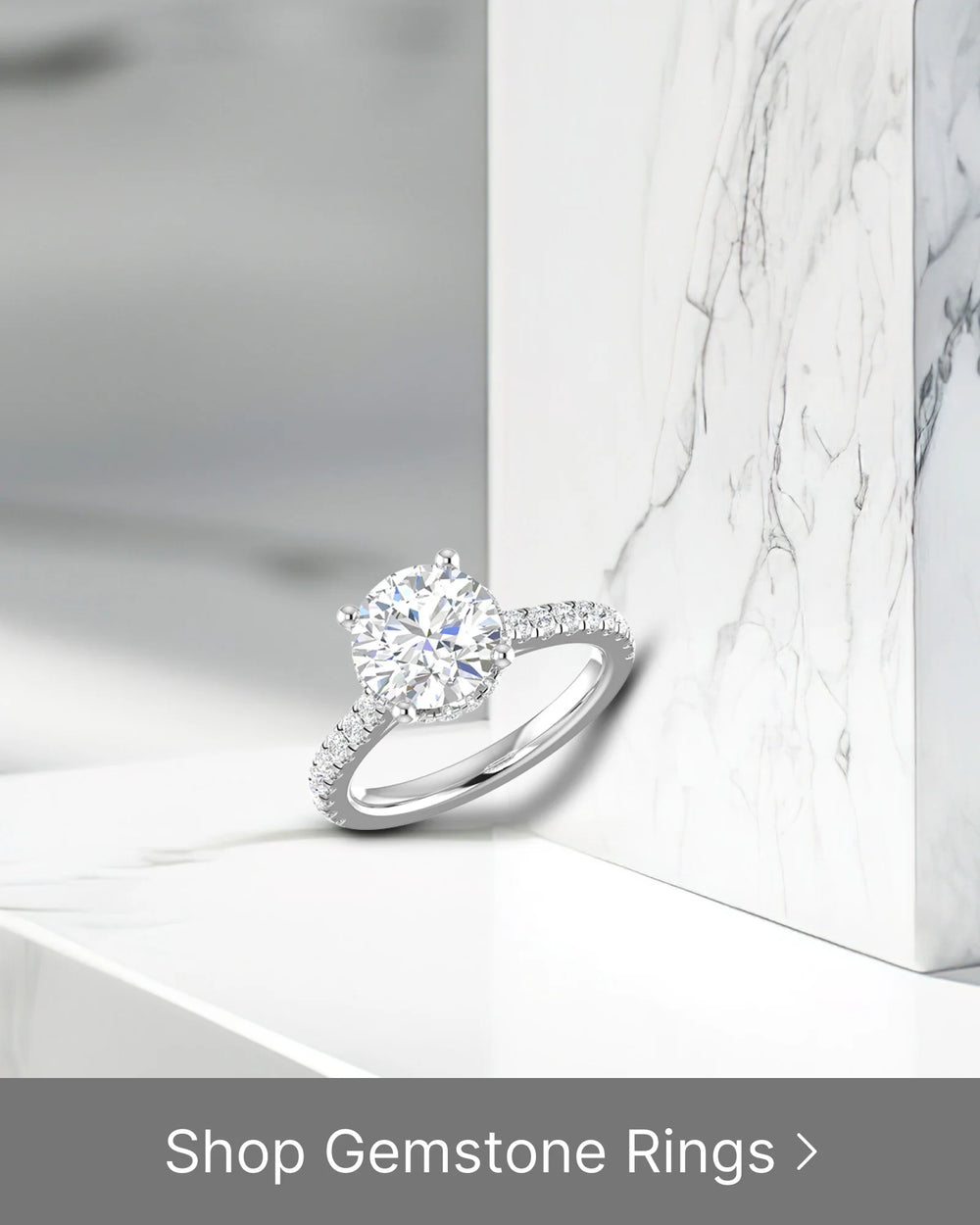
Diamond carat weight holds significant importance when it comes to selecting jewelry, especially engagement rings. The carat weight of the center diamond is often a primary consideration for those seeking a statement piece.
When it comes to engagement rings, the carat weight of the center diamond can make a significant impact on the overall appearance and value of the ring. A larger carat weight can create a more dramatic and eye-catching look, while a smaller carat weight may be preferred for a more delicate and understated style. It ultimately depends on individual preferences, budget, and personal style.
However, carat weight is not the only factor to consider when choosing an engagement ring. The quality of the diamond, including its cut, color, and clarity, also plays a crucial role in determining its overall beauty and value. It is essential to strike a balance between carat weight and these other quality factors to ensure an engagement ring that represents the perfect balance of beauty, value, and personal significance.
Carat Weight in Earrings and Necklaces
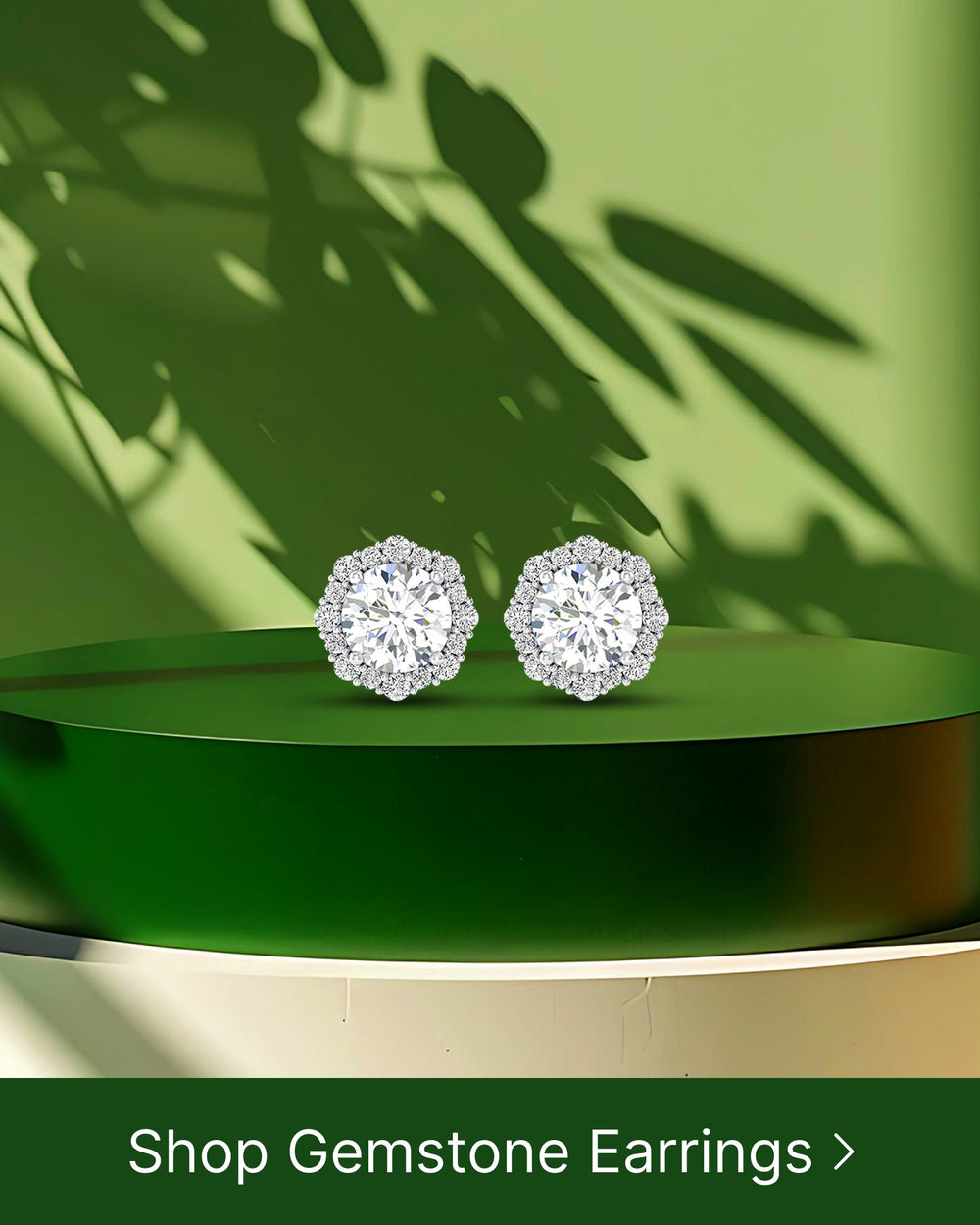
Carat weight also plays a role in earrings and necklaces. In these pieces, the carat weight of diamonds may vary depending on the design and desired aesthetic. For example, earrings can feature a balanced combination of smaller diamonds for a delicate and elegant look. The total carat weight of the diamonds in earrings is often divided equally between the two earrings to create a harmonious and symmetrical appearance.
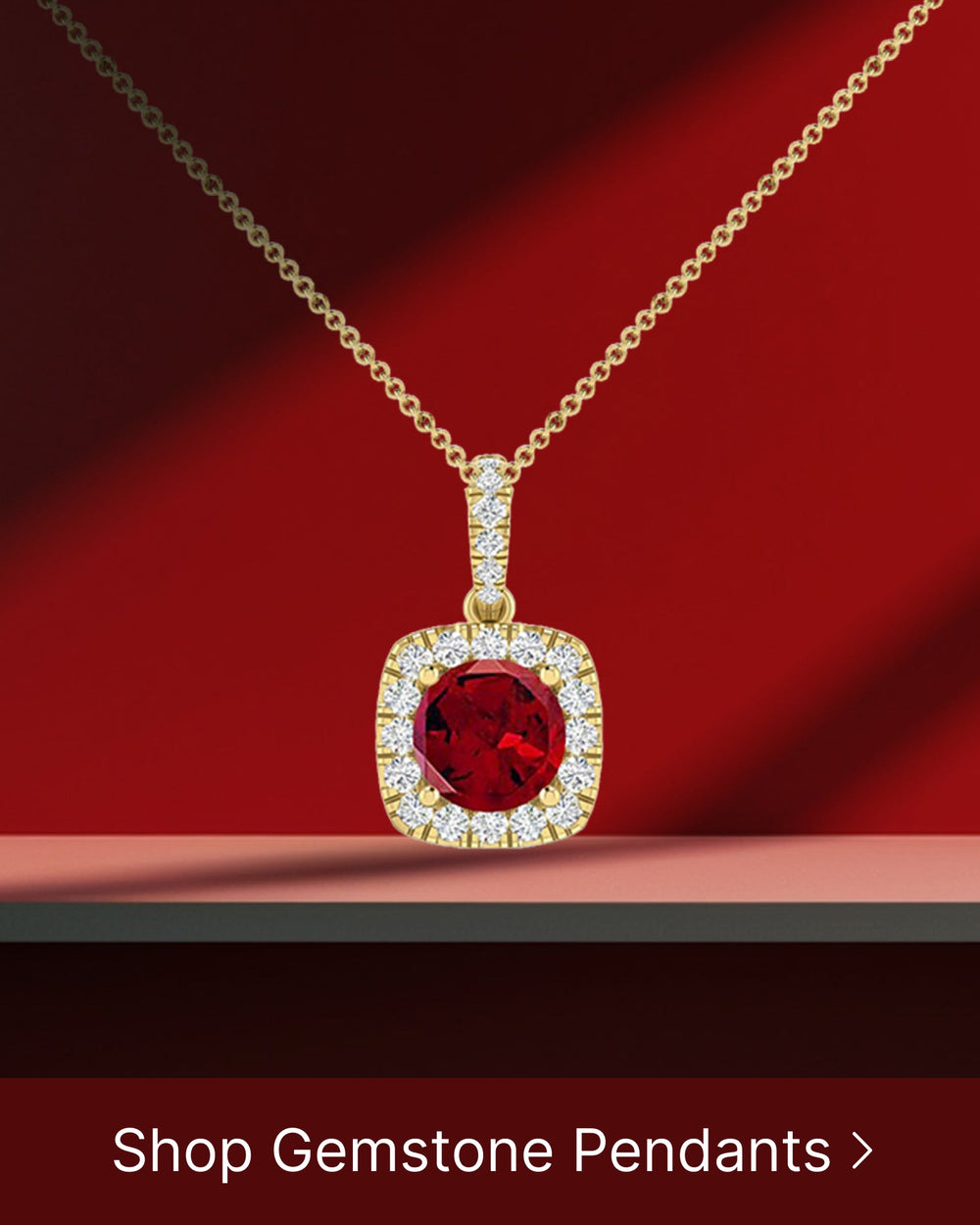
Necklaces, on the other hand, offer more flexibility in terms of carat weight. A necklace pendant may showcase a single larger carat weight diamond for a statement piece that draws attention. Alternatively, a necklace can feature a cluster of smaller diamonds with varying carat weights to create a dazzling and intricate design.
Carat Weight in Bracelets and Other Jewelry
Bracelets and other jewelry can also incorporate diamonds with varying carat weights. The choice of carat weight depends on the desired style and the overall design of the piece. Delicate bracelets, such as tennis bracelets, often feature smaller diamonds to maintain a dainty appearance that complements the wrist. These bracelets can have a uniform carat weight throughout or may have a gradual increase in carat weight towards the center for a more eye-catching effect.
On the other hand, bolder designs can incorporate larger carat weights for added visual impact. Statement bracelets, for example, may feature a combination of large and small diamonds with varying carat weights to create a captivating and luxurious look. The choice of carat weight in these pieces depends on the desired level of extravagance and the overall design aesthetic.
When it comes to selecting jewelry, whether it be engagement rings, earrings, necklaces, or bracelets, carat weight is just one aspect to consider. The overall design, quality of the diamonds, and personal style preferences all play a role in creating a piece that is not only visually stunning but also holds sentimental value. So, next time you're shopping for jewelry, take the time to consider the carat weight and how it contributes to the overall beauty and significance of the piece.
Measuring Diamond Carat Weight
Accurate measurement of diamond carat weight is crucial for determining the value and quality of a diamond. Precise measurement techniques and specialized tools are employed to ensure accurate results.
The Process of Measuring Carat Weight
Measuring the carat weight of a diamond involves using a jeweler's scale specifically designed for this purpose. The scale provides precise measurements with minimal weight discrepancies. It is essential to have an experienced jeweler perform this measurement to guarantee accurate results.
Tools Used for Measuring Carat Weight
In addition to scales, diamond dealers and gemologists use other tools to aid in measuring carat weight. Diamond sieves, which are specifically calibrated screens, help sort diamonds based on their size and carat weight. This sorting process ensures consistency and accuracy in diamond categorization.
Diamond gauges and calipers are also utilized to measure the dimensions of a diamond accurately. These measurements, combined with carat weight, help determine a diamond's overall proportions and cut quality.
Accuracy and Precision in Carat Weight Measurement
Accurate and precise measurement is essential when it comes to determining the carat weight of a diamond. Even a slight difference in measurement can impact the value and grading of the diamond. Therefore, it is crucial to rely on experienced professionals and certified diamond grading laboratories for accurate carat weight measurements.
The Relationship Between Carat Weight and Diamond Size
It is natural to wonder how carat weight translates into diamond size, especially when considering visual appearance. The relationship between carat weight and diamond size can vary depending on multiple factors.
How Carat Weight Influences Diamond Size
In general, as carat weight increases, so does the size of the diamond. However, other factors such as cut, shape, and depth play a role in how the carat weight is distributed and perceived visually.
For instance, a well-cut diamond with ideal proportions can maximize its visual size, even if its carat weight is slightly lower. Conversely, a poorly cut diamond may have a higher carat weight but appear smaller due to its proportions.
The Visual Difference Between Different Carat Weights
The visual difference between different carat weights can be subtle or significant, depending on personal perception and preference. While larger carat weights often result in more noticeable size differences, the visual impact of carat weight can vary based on individual preferences and the design of the jewelry piece.
Ultimately, finding the perfect balance between carat weight, diamond quality, and personal style is essential when selecting jewelry that will truly impress and bring joy for years to come.
In conclusion, understanding diamond carat total weight is crucial for making informed decisions when purchasing diamond jewelry. By grasping the basics of carat weight, as well as how it influences diamond value and size, you can navigate the world of diamonds with confidence and find the perfect piece that suits your preferences and budget. Remember, carat weight should always be considered in conjunction with other quality factors to ensure the utmost beauty and value in your diamond jewelry.