Jewelry is not only a fashion statement but also an investment that should be cherished and maintained. Regular cleaning plays a crucial role in preserving the sparkle and longevity of your precious pieces. By understanding the importance of jewelry cleaning and learning how to properly care for different types of jewelry, you can ensure that your collection remains radiant for years to come. In this article, we will explore the impact of dirt and dust on your jewelry, discuss the specific cleaning needs of different types of jewelry, outline essential cleaning tools and materials, provide a step-by-step guide to cleaning your jewelry, and highlight common cleaning mistakes to avoid.
Understanding the Importance of Regular Jewelry Cleaning
Your jewelry is constantly exposed to various elements that can dull its shine and affect its durability. Dirt and dust, in particular, can accumulate on your jewelry over time, forming a layer that obscures the brilliance of gemstones and dulls the luster of metals. Routine cleaning helps remove these contaminants, allowing the full beauty of your jewelry to shine through. Moreover, regular cleaning prevents the buildup of grime that can lead to tarnishing, discoloration, and even damage to your precious pieces.
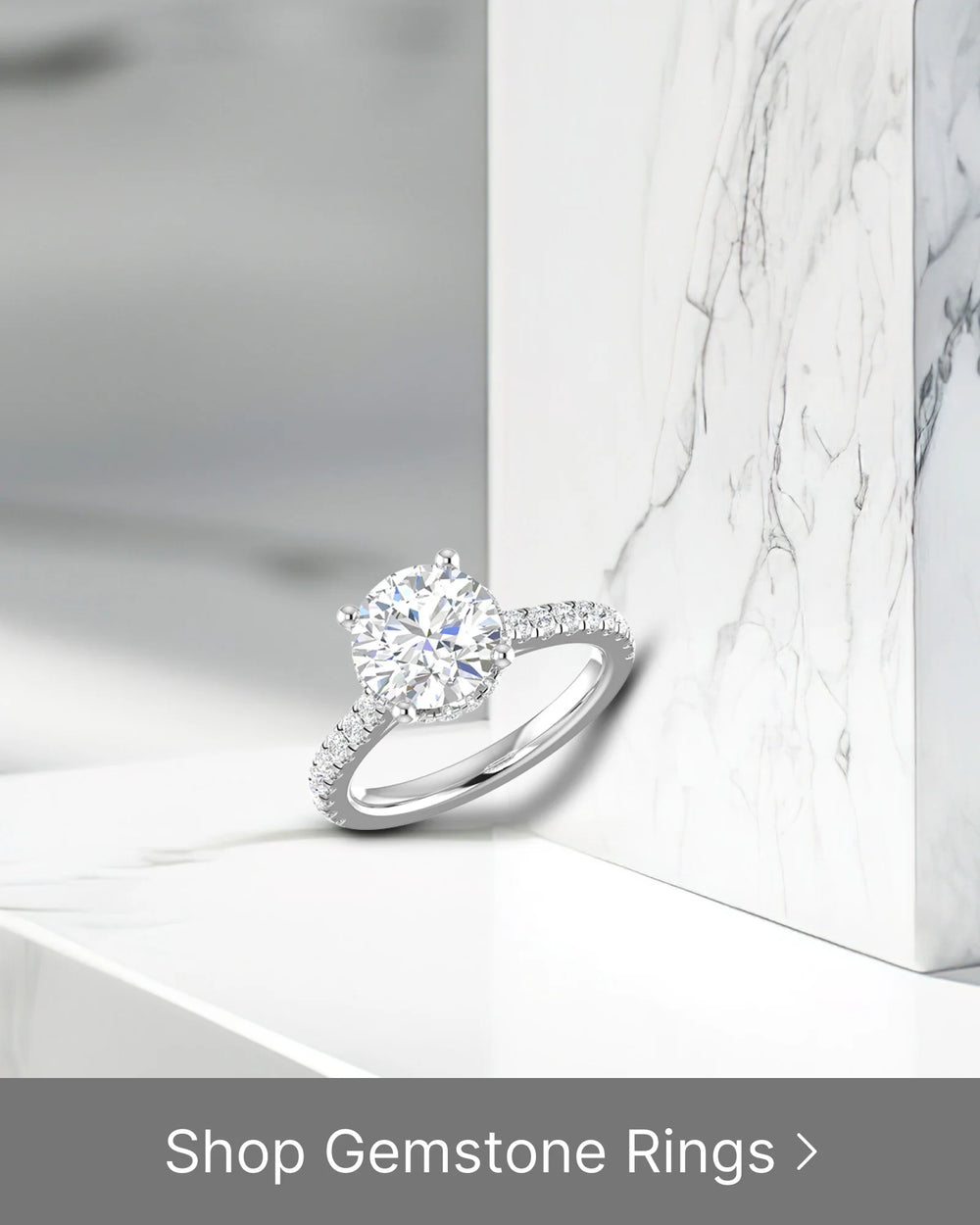
When it comes to jewelry, even the tiniest particles can have a significant impact. Dust and dirt particles settle on your jewelry, creating a dull film that diminishes its brilliance. These seemingly harmless particles can also scratch the surface of metal and gemstones, resulting in permanent damage. Imagine wearing a stunning diamond ring, only to find out that its sparkle has been dulled by the accumulation of dirt and dust. Regular cleaning is the key to preventing such a disappointing scenario.
Not only do dirt and dust affect the appearance of your jewelry, but they can also cause long-term damage. When these particles settle on your jewelry, they can trap moisture against its surface. This trapped moisture promotes corrosion and tarnish formation, especially on metals like silver and copper. Over time, this can lead to discoloration and even structural damage to your precious pieces. By regularly cleaning your jewelry, you can prevent the buildup of grime and moisture, ensuring that your jewelry remains in pristine condition.
How Regular Cleaning Enhances Jewelry Longevity
Proper cleaning not only restores the shine and beauty of your jewelry but also helps prolong its lifespan. By regularly removing dirt, dust, and other contaminants, you prevent potential harm to your pieces. Think of it as giving your jewelry a spa day – a chance to rejuvenate and shine like new.
When you clean your jewelry regularly, you are taking proactive steps to maintain its quality. By removing dirt and dust, you are preventing scratches and other damage that can occur over time. This simple act of cleaning can save you from costly repairs or even the heartbreak of losing a cherished item due to irreparable damage.
Furthermore, regular cleaning allows you to inspect your jewelry closely. During the cleaning process, you may notice loose stones or weakened clasps that require immediate attention. By catching these issues early on, you can prevent further damage and ensure that your jewelry remains intact and wearable for years to come.
In conclusion, regular jewelry cleaning is not just about maintaining its appearance; it is about preserving its longevity and protecting your investment. By taking the time to clean your jewelry regularly, you are ensuring that it continues to shine and sparkle, bringing joy and beauty into your life for years to come.
Identifying Different Types of Jewelry and Their Cleaning Needs
To effectively clean your jewelry, it is crucial to consider its specific materials and cleaning requirements. Different types of jewelry demand unique care techniques to ensure their preservation and sparkle.
Cleaning Gold Jewelry
Gold jewelry, although resistant to tarnishing, can still accumulate dirt and oils from daily wear. To clean gold, you can use a mild soap and warm water solution. Gently scrub the jewelry with a soft brush to remove any residue. Rinse it thoroughly and pat dry with a clean cloth. Avoid using abrasive cleaners or brushes that can scratch the surface of your gold pieces.
When it comes to gold jewelry, it's important to note that different karat weights require different cleaning methods. For example, 24-karat gold is pure gold and can be cleaned more vigorously, while 14-karat gold contains other metals and should be treated with a gentler touch. Additionally, if your gold jewelry features gemstones, it's essential to take extra care to avoid damaging them during the cleaning process.
Maintaining the Shine of Silver Pieces
Silver jewelry tends to tarnish over time due to exposure to air and certain chemicals. To clean silver, you can use a silver polishing cloth or a specialized silver cleaning solution. Gently rub the jewelry to remove tarnish, making sure to reach all crevices. Rinse it thoroughly and dry with a soft cloth. Be cautious with silver-plated jewelry, as excessive rubbing may wear off the silver layer.
It's worth noting that silver jewelry can come in various forms, such as sterling silver, silver-plated, or silver-filled. Each type requires different cleaning techniques. Sterling silver, for instance, can be cleaned more vigorously, while silver-plated jewelry should be handled with care to avoid removing the thin layer of silver. Additionally, if your silver jewelry features intricate designs or gemstones, you may need to use a soft toothbrush or a cotton swab to reach all the nooks and crannies.
Caring for Gemstone Jewelry
Gemstone jewelry requires special attention to preserve the brilliance of its precious stones. It is best to avoid harsh chemicals or ultrasonic cleaners that can damage certain gemstones. Instead, use a mild soapy solution and a soft brush to clean gemstone jewelry. Be gentle during the cleaning process to avoid dislodging or scratching the stones. Rinse the jewelry thoroughly and pat dry with a clean cloth.
When dealing with gemstone jewelry, it's important to understand that different gemstones have different cleaning needs. For example, diamonds are known for their durability and can withstand more rigorous cleaning methods. On the other hand, softer gemstones like opals or pearls require extra caution to prevent any damage. It's always advisable to consult a professional jeweler or refer to specific gemstone cleaning guides to ensure you're taking the best care of your precious gemstone jewelry.
Furthermore, if your gemstone jewelry features multiple gemstones or intricate settings, it's essential to clean each stone individually to ensure no dirt or residue is left behind. Taking the time to clean each gemstone separately will help maintain the overall beauty and brilliance of your jewelry.
Essential Jewelry Cleaning Tools and Materials
Cleaning your jewelry effectively requires the right tools and materials. Whether you opt for commercial cleaning solutions or prefer do-it-yourself methods, having the necessary items at hand ensures a successful cleaning process.
Commercial Jewelry Cleaning Solutions
There are various commercial cleaning solutions available specifically formulated for different types of jewelry. These solutions often come with instructions on usage and precautions, making them a convenient option. However, always research the compatibility of the cleaning solution with your jewelry before use, especially when dealing with delicate gemstones or silver-plated items.
DIY Cleaning Materials at Home
If commercial solutions are not your preference, there are several household items that can be used to create effective DIY jewelry cleaners. For example, a mixture of mild dish soap and warm water can effectively clean many types of jewelry. Baking soda mixed with water creates a gentle paste that can remove tarnish from silver. Toothpaste, when used sparingly and with caution, can also clean certain types of jewelry. However, exercise caution and research the suitability of these methods for your specific pieces before proceeding.
Step-by-Step Guide to Cleaning Your Jewelry
Now that you understand the importance of regular jewelry cleaning and have the necessary tools and materials, let's explore the step-by-step process of cleaning your precious pieces.
Pre-Cleaning Inspection and Preparation
Before you begin cleaning, inspect your jewelry for any loose stones, damaged clasps, or other issues that may require professional attention. Secure any loose stones or have your jewelry repaired if needed. Take note of any delicate or vintage pieces that may require extra care during the cleaning process. Prepare a soft, clean surface to place your jewelry on while cleaning.
The Cleaning Process
For general cleaning, prepare a cleaning solution according to the type of jewelry you are cleaning, whether commercial or DIY. Dip your jewelry into the solution or use a soft brush or cloth to gently clean each piece. Pay attention to hard-to-reach areas and intricate designs. Rinse your jewelry under warm water to remove any residue and thoroughly dry it with a soft cloth.
Post-Cleaning Care and Storage
After cleaning, give your jewelry a final inspection to ensure it is thoroughly cleaned and free of any residue. Properly store your jewelry in individual pouches or compartments to prevent scratching or tangling. Avoid exposing your jewelry to excessive sunlight, humidity, or extreme temperatures, as these can accelerate tarnishing and other forms of damage.
Common Jewelry Cleaning Mistakes to Avoid
Despite your best intentions, there are some common jewelry cleaning mistakes that can inadvertently harm your precious pieces. By avoiding these pitfalls, you can maintain the integrity and splendor of your jewelry collection.
Over-Cleaning Your Jewelry
While regular cleaning is essential, overdoing it can have adverse effects. Excessive cleaning can cause unnecessary wear and tear on your jewelry. Follow the recommended cleaning frequency for each type of jewelry to strike the right balance between cleanliness and preservation.
Using Harsh Chemicals and Abrasives
Using harsh chemicals or abrasive materials on your jewelry can lead to irreversible damage. Avoid using bleach, ammonia, or other strong chemicals that can corrode metals or harm gemstones. Similarly, abrasive materials such as steel wool or toothbrushes with hard bristles can scratch the surface of your jewelry. Stick to gentle cleaning methods and materials to protect your precious pieces.
By embracing the art of jewelry cleaning and adopting proper cleaning techniques, you can ensure the longevity and brilliance of your cherished pieces. Regular cleaning, combined with proper storage and care, will keep your jewelry collection sparkling for generations to come. Invest time and effort into maintaining your jewelry, and you will be rewarded with timeless beauty and enduring value.