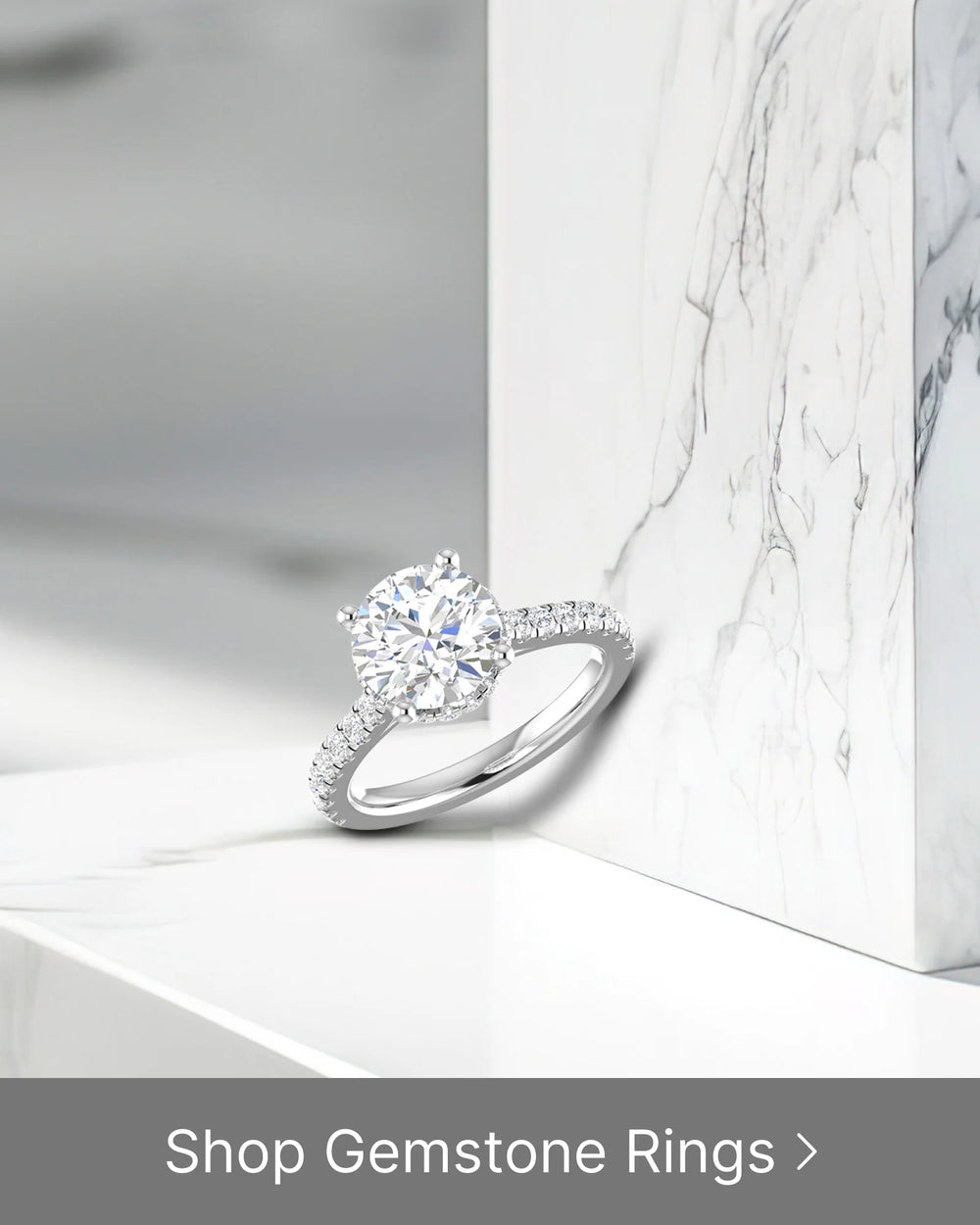
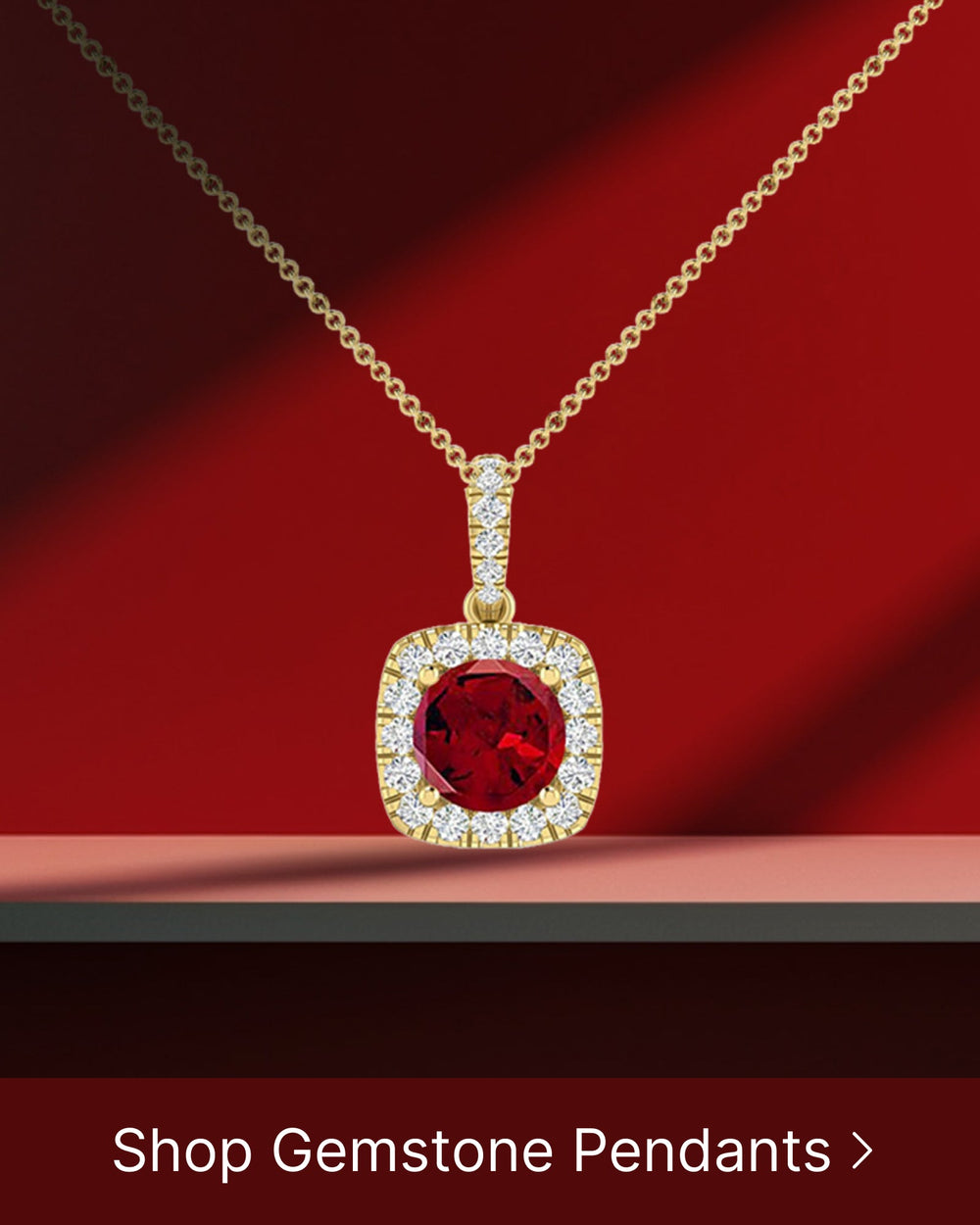
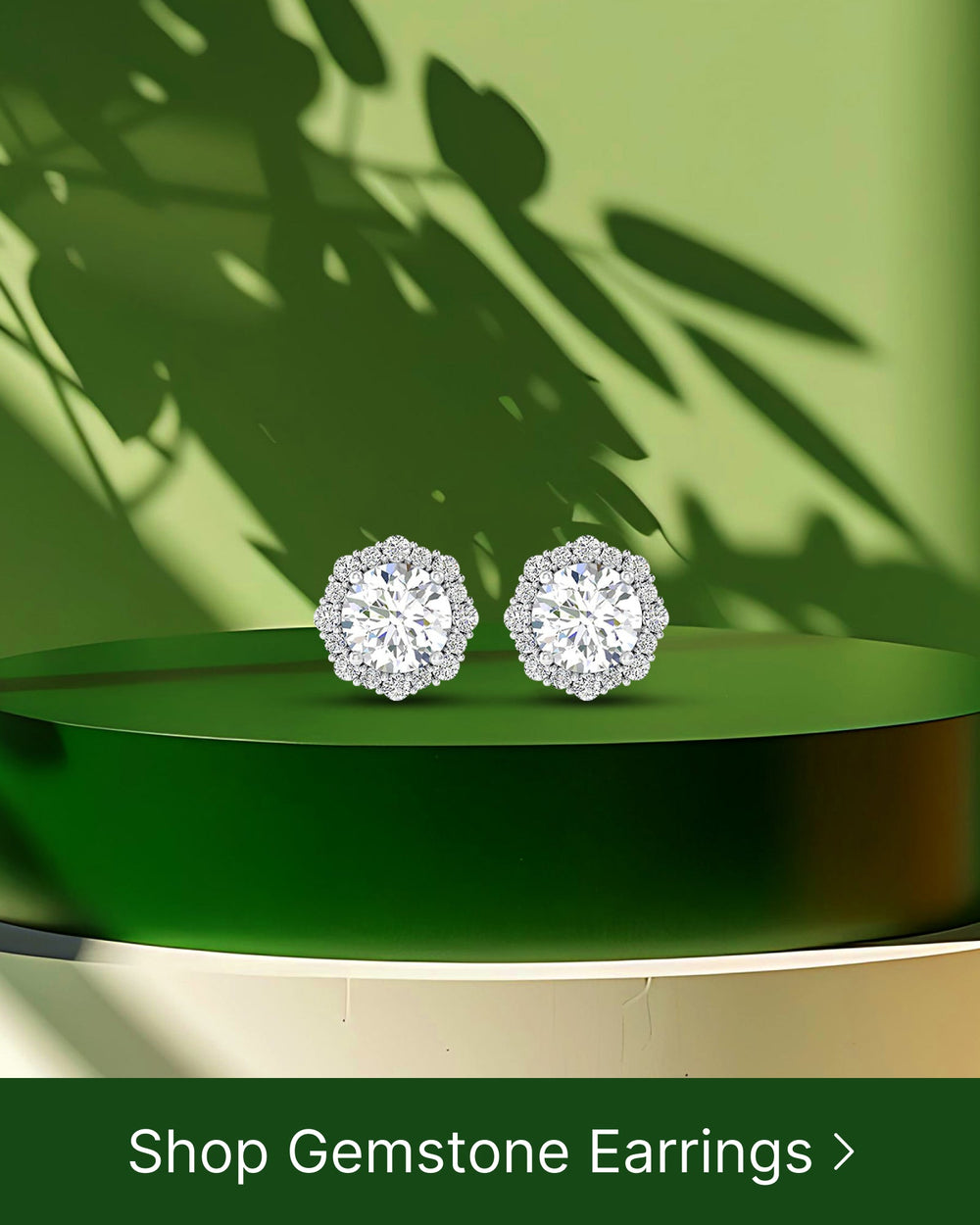
Jewelry photography is a fascinating art that requires careful attention to detail and a keen eye for capturing the shine and sparkle of precious gemstones. It is not just about taking a simple snapshot; it is about creating captivating imagery that showcases the beauty of the jewelry piece. In this article, we will explore the various techniques and equipment used in jewelry photography to help you master the art of capturing shine and sparkle in your photos.
Understanding the Basics of Jewelry Photography
Before diving into the advanced techniques, it is essential to understand the basics of jewelry photography. One of the most crucial aspects of any photograph is lighting, and this holds especially true for jewelry. Proper lighting can make all the difference in bringing out the sparkle and shine of the gemstones.
The Importance of Lighting in Jewelry Photography
Lighting plays a vital role in jewelry photography as it determines the overall look and feel of the image. It helps to bring out the details and the brilliant shine of the gemstones. When it comes to lighting, there are a few key considerations to keep in mind:
- Use soft and diffused lighting to avoid harsh reflections and shadows on the jewelry piece.
- Avoid using direct sunlight, as it can create unwanted glare and hot spots.
- Experiment with different types of lighting setups, such as using a lightbox or softbox, to achieve the desired results.
Remember, the goal is to enhance the shine and sparkle of the jewelry, so choose your lighting setup accordingly.
Now, let's delve deeper into the importance of lighting in jewelry photography. The right lighting setup can truly transform a photograph, bringing out the intricate details and capturing the essence of the gemstones. Soft and diffused lighting is often preferred as it helps to minimize harsh reflections and shadows that can detract from the beauty of the jewelry piece.
When photographing jewelry, it is crucial to avoid using direct sunlight. While natural light can be beautiful, it can also create unwanted glare and hot spots on the jewelry, making it difficult to capture the true brilliance of the gemstones. Instead, opt for artificial lighting sources that can be controlled and adjusted to achieve the desired effect.
Experimenting with different types of lighting setups is key to finding the perfect combination for your jewelry photography. A lightbox or softbox can help create a soft and even light that wraps around the jewelry, highlighting its intricate details and bringing out its true sparkle. By adjusting the positioning and intensity of the lights, you can create different moods and effects, adding depth and dimension to your photographs.
Choosing the Right Background for Your Jewelry
Another crucial element in jewelry photography is the background. The background should complement the jewelry piece without distracting from it. A simple, clean background is often the best choice as it allows the jewelry to take center stage.
Consider using a plain white or black background to highlight the shine and sparkle of the gemstones. These neutral backgrounds provide a clean and timeless look that allows the jewelry to shine without any distractions. Alternatively, you can also experiment with different types of textures or colors that complement the jewelry piece. Just make sure that the background does not overpower the jewelry.
Now, let's explore the role of backgrounds in jewelry photography in more detail. The background you choose can significantly impact the overall aesthetic of your photographs. A plain white background, for example, creates a classic and elegant look that is often associated with high-end jewelry. It allows the gemstones to stand out and be the focal point of the image.
On the other hand, a black background can create a dramatic and mysterious atmosphere, adding a sense of luxury and sophistication to your jewelry photographs. This background choice works particularly well with jewelry that features bright and colorful gemstones, as it creates a striking contrast that draws the viewer's attention.
Experimenting with different textures and colors can also add visual interest to your jewelry photography. Consider using a textured fabric or a piece of natural wood as a background to create a unique and artistic look. Just make sure that the background complements the jewelry and doesn't compete for attention.
The Role of Angles and Perspectives in Jewelry Photography
Angles and perspectives can make a significant difference in how the jewelry piece is perceived. By experimenting with different angles, you can highlight specific features of the jewelry while capturing its shine and sparkle.
Try shooting from different heights and angles to see what works best for the particular piece you are photographing. A top-down perspective, for example, can showcase the overall design and arrangement of the gemstones, while a close-up shot from a low angle can emphasize the intricate details and textures of the jewelry.
Reflections can also play a crucial role in jewelry photography. By capturing the reflection of the jewelry on a reflective surface, such as a mirror or a shiny tabletop, you can create interesting compositions and add a touch of elegance to your photographs. Experiment with different angles and positions to find the most flattering reflection for your jewelry piece.
Now that we've explored the importance of angles and perspectives in jewelry photography, it's time to put theory into practice. Don't be afraid to get creative and think outside the box. Try unconventional angles and perspectives to capture unique and eye-catching shots. Remember, the goal is to showcase the beauty and allure of the jewelry, so let your creativity shine.
Advanced Techniques for Capturing Shine and Sparkle
Once you have mastered the basics of jewelry photography, you can move on to more advanced techniques to further enhance the shine and sparkle of the gemstones.
Using Reflectors and Diffusers for Enhanced Sparkle
Reflectors and diffusers are valuable tools that can help enhance the sparkle of the gemstones in your photos.
A reflector can be used to bounce light onto the jewelry, creating a soft and diffused effect. This can help to bring out the details and brilliance of the gemstones.
On the other hand, a diffuser can be used to soften the light source, reducing harsh reflections and creating a more even lighting setup.
Macro Photography for Detailed Jewelry Shots
Macro photography allows you to capture the intricate details of the jewelry piece up close. This technique is especially useful for showcasing the fine craftsmanship and the tiny facets of gemstones.
Use a macro lens and a tripod to achieve sharp and detailed images. Pay attention to focus and depth of field to ensure that all the details are captured flawlessly.
Post-Processing Techniques for Extra Shine
Post-processing can take your jewelry photos to the next level by adding an extra shine and sparkle. Editing software such as Adobe Photoshop allows you to adjust the brightness, contrast, and colors to make the gemstones stand out.
Experiment with different editing techniques, such as adjusting levels and curves, to enhance the shine and sparkle of the jewelry piece. However, be careful not to overdo it and maintain a natural look.
Overcoming Common Challenges in Jewelry Photography
Despite the beauty of jewelry photography, there are common challenges that every photographer faces. Let's explore some of these challenges and how to overcome them.
Dealing with Reflective Surfaces
Jewelry often features reflective surfaces, which can result in unwanted reflections and glare in your photos. To overcome this challenge, try using a polarizing filter or adjusting the angle of the camera to minimize reflections.
Capturing the True Colors of Gemstones
Gemstones come in a wide range of colors, and capturing their true colors can be challenging. Proper lighting and white balance adjustments are essential to ensure accurate color reproduction.
Experiment with different lighting setups and use a grey card to adjust the white balance in post-production for the most accurate colors.
Avoiding Shadows and Unwanted Reflections
Shadows and unwanted reflections can distract from the jewelry's shine and sparkle. To minimize shadows, use diffused lighting and reflectors to create a soft and even lighting setup. Avoid placing the jewelry too close to reflective surfaces that could cause unwanted reflections.
Essential Equipment for Jewelry Photography
To capture the shine and sparkle of jewelry effectively, you will need some essential equipment. Let's take a look at what you will need:
Choosing the Right Camera and Lens
A camera with manual controls and the ability to shoot in RAW format is ideal for jewelry photography. This will give you greater control over the exposure and allow for more flexibility in post-processing. As for the lens, a macro lens is highly recommended as it ensures sharp and detailed close-up shots.
Importance of Tripods in Jewelry Photography
A sturdy tripod is essential for jewelry photography as it helps eliminate camera shake and allows for precise composition. It is especially crucial when shooting in macro mode, as even the tiniest movement can result in blurry photos.
Lighting Equipment for Jewelry Photography
In addition to natural light, you may need additional lighting equipment for more controlled results. Consider investing in a lightbox or a set of studio lights to achieve the desired lighting setup.
Remember, mastering jewelry photography takes practice and patience. With the right techniques and equipment, you can capture the shine and sparkle of precious gemstones in all their glory. So, go ahead and unleash your creativity to create stunning jewelry photographs that truly shine.