Diamonds are one of the most sought-after gemstones in the world, and the cut of a diamond plays a significant role in its value and appeal. In fact, the most valuable diamond cut remains a well-kept secret of the diamond industry. Understanding the basics of diamond cuts is essential in comprehending the price tag associated with the finest diamonds available.
Understanding the Basics of Diamond Cuts
When it comes to diamonds, the art and science of diamond cutting are intertwined. The process involves transforming a rough diamond into a beautifully crafted gemstone with precise angles and facets. Different types of diamond cuts are employed to maximize brilliance, fire, and scintillation.
Diamond cutting is not just a simple task of shaping a stone. It is a meticulous craft that requires a careful balance of artistic vision and scientific precision. Skilled diamond cutters spend years honing their craft and developing an eye for detail. They examine each rough diamond carefully, considering its clarity, color, and carat weight, to determine the best possible way to cut it.
By skillfully manipulating and shaping the diamond, cutters bring out its innate beauty and brilliance. They strategically cut and polish the stone to create facets that reflect and refract light, enhancing its sparkle and fire. The precision with which these facets are placed and aligned can greatly impact the overall appearance of the diamond.
The Art and Science of Diamond Cutting
The art of diamond cutting involves more than just technical skills. It requires a deep understanding of the stone's properties and characteristics. Diamond cutters must have a keen eye for symmetry, proportion, and balance. They carefully analyze the rough diamond, taking into account its natural flaws and inclusions, to determine the best way to cut it and maximize its beauty.
On the other hand, the science of diamond cutting involves the use of advanced technology and tools. Diamond cutters utilize computer-aided design (CAD) software to create precise cutting plans. They also use laser cutting and polishing machines to achieve the desired shape and finish. These technological advancements have revolutionized the diamond cutting industry, allowing for more accurate and consistent results.
Different Types of Diamond Cuts
There are various diamond cuts available in the market, each with its own unique characteristics and appeal. From the classic round brilliant cut to the more modern princess cut, the choices are vast. The choice of diamond cut ultimately depends on individual preferences and desired aesthetic qualities.
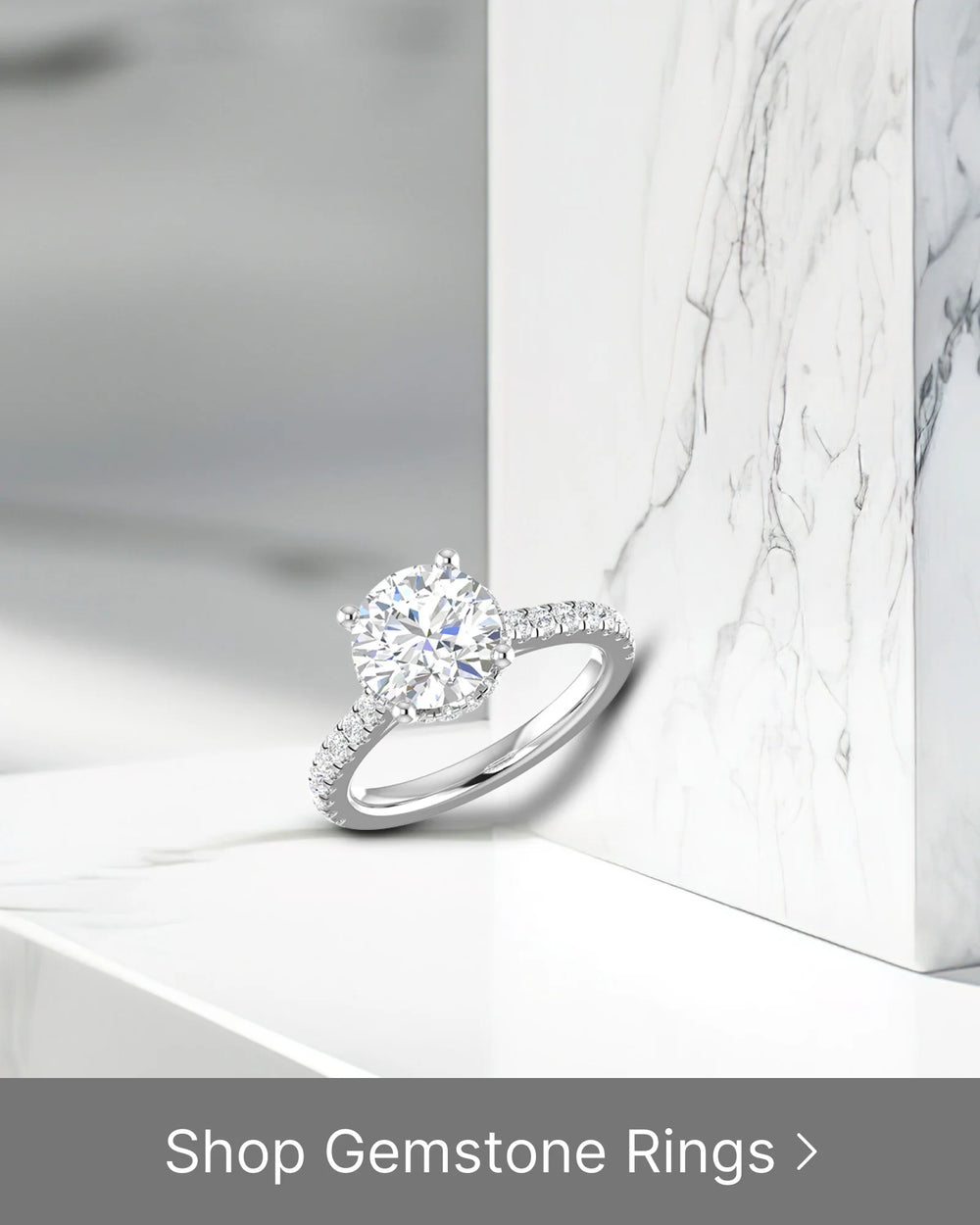
The round brilliant cut is the most popular and timeless diamond cut. It features a symmetrical shape with 58 facets, maximizing the diamond's brilliance and sparkle. This cut is known for its ability to reflect light in all directions, creating a dazzling display.
The princess cut, on the other hand, is a square or rectangular-shaped cut with pointed corners. It is known for its modern and elegant look, with its sharp angles and brilliant facets. This cut is particularly popular for engagement rings, offering a unique and contemporary alternative to the traditional round brilliant cut.
Other popular diamond cuts include the emerald cut, which features a rectangular shape with step-like facets, and the marquise cut, which has an elongated shape with pointed ends. Each diamond cut has its own distinct personality and charm, allowing individuals to find the perfect diamond that suits their style and preferences.
The Most Valuable Diamond Cut: The Round Brilliant
When it comes to diamond cuts, there are several options that can take your breath away. However, there is one cut that stands out from the rest in terms of value and popularity - the round brilliant cut. This timeless cut has earned its reputation for unparalleled brilliance and fire, making it the first choice for discerning diamond enthusiasts.
But what exactly sets the round brilliant cut apart from other cuts? Let's dive deeper into the unique characteristics that make this cut so special.
The Unique Characteristics of the Round Brilliant Cut
The round brilliant cut is known for its symmetrical shape and precisely angled facets. With a total of 58 facets, this cut maximizes light reflection and refraction, resulting in a mesmerizing display of sparkle and brilliance. Each facet is carefully placed to optimize the diamond's ability to catch and reflect light, creating a stunning visual effect that captivates the eye.
Furthermore, the round shape of this cut ensures that the diamond retains its value over time. Unlike trendy or unconventional cuts that may go in and out of fashion, the round brilliant cut has stood the test of time. Its classic shape remains highly sought after, making it a safe investment for those looking to purchase a diamond with lasting value.
Why the Round Brilliant Cut is the Most Expensive
Now, let's explore why the round brilliant cut often comes with a higher price tag compared to other cuts in the market.
Firstly, the round brilliant cut's popularity and market demand play a significant role in its price. The high demand for this cut means that there is a limited supply of well-cut round diamonds, driving up their value. Additionally, the cutting process for a round brilliant cut requires a substantial amount of diamond rough to be sacrificed. This results in a lower overall yield, further contributing to the higher price.
Moreover, the level of skill and precision required to cut a diamond into a perfect round brilliant is immense. Diamond cutters undergo years of training and practice to master this cut. The process involves carefully analyzing the diamond rough to determine the optimal proportions and angles that will maximize its brilliance. The cutter must then meticulously shape and polish the diamond to bring out its full potential. This labor-intensive and time-consuming process adds to the cost of the final product.
In conclusion, the round brilliant cut is not only a visually stunning choice but also a valuable one. Its symmetrical shape, precisely angled facets, and enduring popularity make it a top choice for those seeking a diamond that truly shines. While it may come with a higher price tag, the round brilliant cut's beauty and lasting value make it a worthwhile investment for any diamond enthusiast.
The Role of Diamond Cut in Determining Value
When evaluating a diamond's quality, the 4 Cs come into play: Carat weight, Clarity, Color, and Cut. Of these, the cut is often considered the most crucial factor in determining a diamond's brilliance and value. Even a diamond with exceptional color and clarity will lack sparkle and allure if it has a poorly executed cut.
The Impact of Cut on a Diamond's Brilliance
The brilliance of a diamond depends heavily on its cut. A well-cut diamond will reflect and refract light in a way that enhances its fire and scintillation. On the other hand, a poorly cut diamond will leak light, resulting in a dull and lifeless appearance. Therefore, the precision and quality of the diamond cut can significantly impact its desirability and value.
The Process of Cutting a High-Value Diamond
Cutting a high-value diamond requires immense precision and expertise. The goal is to extract the maximum beauty and brilliance from the rough stone while preserving as much carat weight as possible. This complex process involves several stages, each carried out with meticulous attention to detail.
The Precision Required in Diamond Cutting
Diamond cutting is a delicate process that involves making precise cuts, shaping facets, and perfecting angles. Each cut must be calculated to ensure optimal light performance, brilliance, and dispersion. The mastery of precision is what sets expert diamond cutters apart.
The Time and Skill Involved in Creating the Perfect Cut
Cutting a diamond to perfection is a time-consuming endeavor that requires immense skill and expertise. From planning the cut to executing it, the process can take weeks or even months to complete. Expert diamond cutters spend years honing their craft to deliver the most exceptional cut possible.
The Market for High-Value Diamond Cuts
As consumer tastes continue to evolve, demand for high-quality diamond cuts has been steadily increasing. Discerning buyers seek out diamonds with superior brilliance and craftsmanship, driving the market for high-value diamond cuts to new heights.
Consumer Demand for High-Quality Cuts
Today's consumers are more educated and discerning than ever when it comes to purchasing diamonds. With readily available information about diamond cuts and their impact on a stone's beauty, buyers are willing to pay a premium for top-quality cuts that capture the eye and evoke a sense of luxury.
The Future of Diamond Cuts and Their Value
As technology advances and diamond cutting techniques continue to improve, the value of well-cut diamonds is expected to rise. Innovations in cutting technology allow for more precise and creative diamond cuts, resulting in gemstones that maximize light performance and captivate the beholder. The future of diamond cuts is bright and promising.
In conclusion, the secret behind the most valuable diamond cut lies in the artistry and precision of diamond cutting. The round brilliant cut, with its unparalleled brilliance, stands as an epitome of diamond perfection. However, the importance of the diamond cut extends beyond aesthetics, impacting a stone's value and desirability. With consumer demand for high-quality diamonds on the rise, the market for high-value diamond cuts continues to thrive. As technology advances, the future holds even more exciting possibilities for diamond cuts and their value.