When it comes to choosing the perfect diamond, one of the most important factors to consider is carat weight. Carat weight not only influences the size of the diamond but also plays a significant role in its overall appearance and price. Understanding the impact of carat weight can help you make a more informed decision and find the diamond that best suits your preferences and budget.
Understanding Diamond Carat Weight
Before delving deeper into the role of carat weight, let's first clarify what carat means in the context of diamonds. Carat is a unit of measurement specifically used for gemstones, with one carat equal to 200 milligrams or 0.2 grams. In simpler terms, it refers to the weight of the diamond.
Carat weight is not only a measurement of the diamond's weight but also an important factor in determining its value. The higher the carat weight, the rarer and more valuable the diamond becomes. This is because larger diamonds are much harder to find compared to smaller ones.
Definition of Carat in Diamonds
In the world of diamonds, carat weight holds great significance. It represents the size of the diamond, with larger carat weights generally resulting in larger diamonds. However, it's important to note that carat weight is not the sole determinant of a diamond's size. Other factors, such as cut and shape, can also influence how big a diamond appears.
When it comes to carat weight, it's essential to strike a balance between size and quality. While a larger diamond may be visually impressive, it's crucial to consider the other aspects of the diamond, such as its cut, color, and clarity. These factors greatly affect the overall beauty and brilliance of the diamond.
How Carat Weight is Measured
Carat weight is measured using highly precise scales. Jewelers and gemologists use specialized instruments to determine the weight of the diamond accurately. The process involves placing the diamond on a scale and carefully recording its weight.
It's worth noting that carat weight is not the same as total carat weight. Total carat weight refers to the combined weight of multiple diamonds or gemstones in a piece of jewelry. For example, a ring with three diamonds, each weighing 0.33 carats, would have a total carat weight of 1 carat.
When considering carat weight, it's important to remember that the value of a diamond is not solely determined by its size. The quality of the diamond, including its cut, color, and clarity, also plays a significant role in its overall worth.
Furthermore, carat weight is a personal preference. Some individuals may prioritize a larger diamond, while others may value the quality and brilliance of a smaller diamond. Ultimately, the choice depends on individual taste and budget.
Understanding carat weight is crucial when purchasing a diamond. It allows you to make an informed decision and ensures that you select a diamond that meets your preferences and requirements. Whether you're looking for a dazzling centerpiece or a delicate accent stone, carat weight plays a vital role in the overall beauty and value of a diamond.
The Importance of Carat Weight in Diamond Selection
When it comes to selecting a diamond, carat weight plays a crucial role. Not only does it directly affect the size of the diamond, but it also has a significant impact on its price. Understanding the relationship between carat weight and other diamond characteristics is essential in finding the perfect balance for your desired diamond.
Carat weight is often the primary factor that determines the size of a diamond. Generally, the higher the carat weight, the larger the diamond. However, it's important to remember that size perception can be influenced by other factors such as cut and shape. Opting for a slightly lower carat weight alongside excellent cut and proportions can result in a visually larger diamond.
But carat weight isn't just about size; it also has a direct impact on the price of a diamond. As carat weight increases, so does the price. However, it's crucial to consider carat weight alongside other factors when determining the overall value of a diamond. A higher carat weight alone does not guarantee a more valuable or desirable diamond. It's essential to prioritize the quality of the diamond's cut, clarity, and color as well.
When it comes to carat weight, it's all about finding the right balance. While a larger diamond may be visually appealing, it's important to consider your personal preferences and budget. Sometimes, a diamond with a slightly lower carat weight but exceptional cut, clarity, and color can be just as stunning and valuable.
Additionally, it's worth noting that carat weight is not the only factor that affects a diamond's appearance. The way a diamond is cut can greatly impact its brilliance and sparkle. A well-cut diamond can make even a smaller carat weight appear more dazzling than a larger diamond with a poor cut.
Furthermore, the shape of a diamond can also influence its perceived size. Different diamond shapes have varying surface areas, even with the same carat weight. For example, a round brilliant diamond tends to have a smaller surface area compared to a princess-cut diamond of the same carat weight. Understanding the relationship between carat weight and diamond shape can help you make an informed decision when selecting the perfect diamond.
In conclusion, carat weight is an important consideration in diamond selection. It affects both the size of the diamond and its price. However, it's crucial to remember that carat weight should be balanced with other factors such as cut, clarity, color, and personal preferences. By understanding the relationship between carat weight and other diamond characteristics, you can make an informed decision and find the perfect diamond that meets your desires and budget.
Balancing Carat Weight with Other Diamond Characteristics
Choosing the right carat weight involves finding the perfect balance between size, quality, and budget. Understanding how carat weight interacts with other diamond characteristics can help you make an informed decision.
When it comes to diamonds, size does matter. Carat weight is often the first thing people notice about a diamond, as it directly relates to its size. However, bigger doesn't always mean better. While a larger diamond may catch the eye, it's important to consider the impact of other diamond characteristics on its overall appearance.
The Relationship Between Carat Weight and Cut
The cut of a diamond refers to how well it has been shaped and faceted. Cut quality plays a significant role in a diamond's overall beauty and brilliance. A well-cut diamond can maximize the reflection and refraction of light, making it appear more vibrant and sparkly. When considering carat weight, it's important to prioritize cut quality to ensure your diamond dazzles.
Imagine a diamond with a high carat weight but a poor cut. The diamond may appear dull and lifeless, lacking the brilliance that makes diamonds so captivating. On the other hand, a smaller diamond with an excellent cut can outshine its larger counterparts, as it has been skillfully crafted to enhance its natural beauty.
The Impact of Carat Weight on Color and Clarity
Color and clarity also affect a diamond's visual appeal. Color refers to the presence of any yellow or brown tints, while clarity refers to the presence of internal or external flaws. Choosing a lower carat weight can allow you to prioritize higher color grades and better clarity, resulting in a more visually appealing diamond.
It's important to note that as carat weight increases, the likelihood of visible color and clarity imperfections also tends to increase. This is because larger diamonds tend to showcase these characteristics more prominently. By opting for a slightly smaller carat weight, you can potentially achieve a diamond with a higher color grade and better clarity, making it appear more pristine and radiant.
Ultimately, finding the perfect balance between carat weight, cut, color, and clarity is a personal decision. It's essential to consider your own preferences and priorities when selecting a diamond. Whether you prioritize size, brilliance, or purity, understanding how carat weight interacts with other diamond characteristics will guide you towards making a choice that brings you joy and satisfaction for years to come.
Tips for Choosing the Right Carat Weight
When selecting the carat weight of your diamond, consider the following factors to make an informed decision that suits your preferences and budget.
Considering Your Budget and Carat Weight
Establish a budget range that you are comfortable with and work within that range. Remember that carat weight directly affects the price of the diamond, so make sure to find the right balance between size and cost. Prioritize other diamond characteristics to ensure you get a high-quality diamond within your budget.
Carat Weight Preferences in Different Types of Jewelry
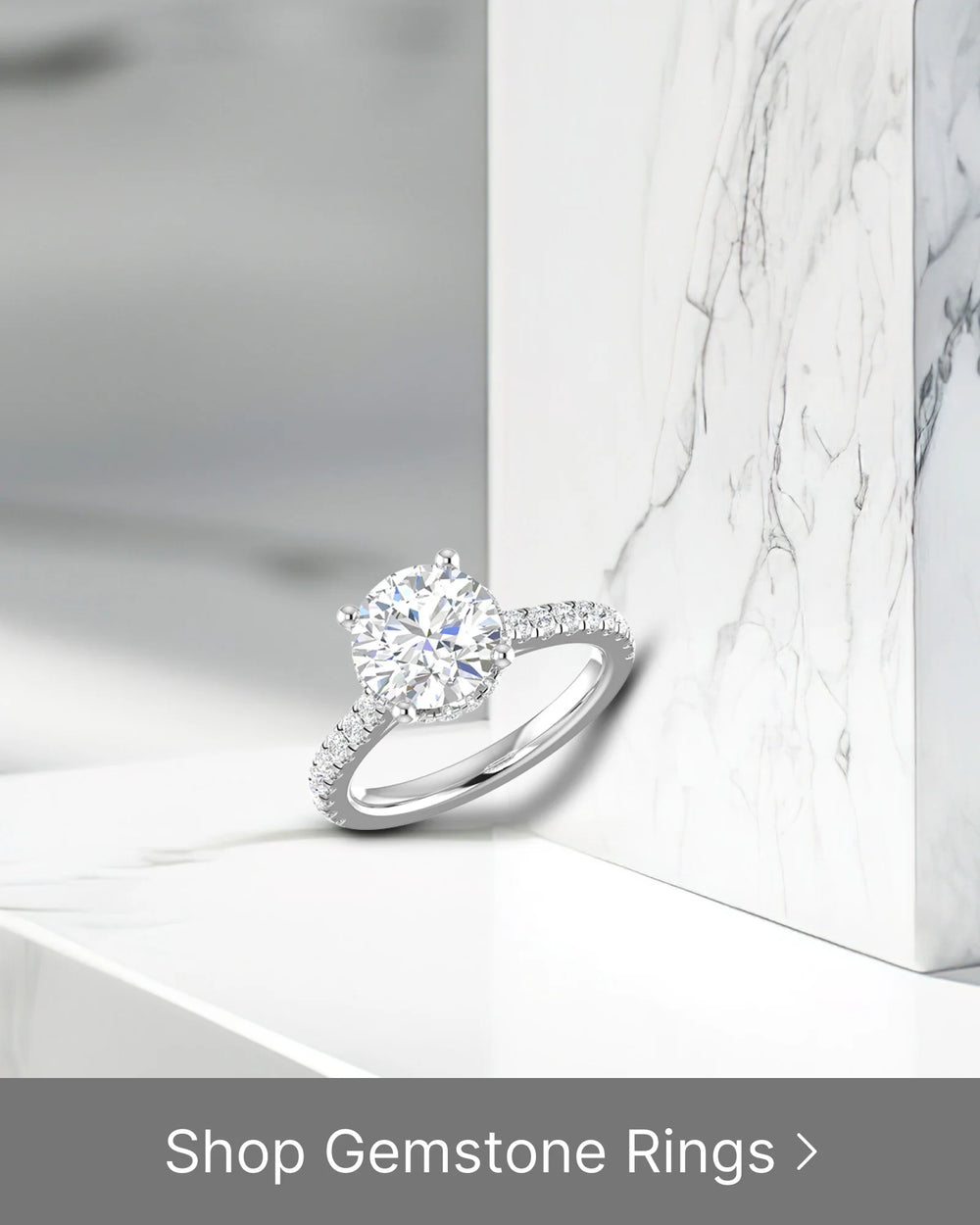
Personal style and the type of jewelry you're purchasing can impact your carat weight preferences. For example, engagement rings often feature larger carat weights to create a stunning and eye-catching centerpiece. On the other hand, smaller carat weights might be more suitable for delicate earrings or necklaces. Consider the purpose and style of the jewelry to determine your ideal carat weight.
Common Misconceptions about Diamond Carat Weight
There are several misconceptions surrounding carat weight that can impact decision-making. Let's debunk two of the most common misconceptions.
Debunking the Myth of the Bigger, the Better
While a larger carat weight can certainly be impressive, it doesn't automatically translate to a better diamond. The overall quality and appearance of the diamond are determined by various factors, not just carat weight. Remember to consider all the diamond characteristics discussed above to find a diamond that meets your preferences and expectations.
Understanding the Difference Between Carat Weight and Total Carat Weight
When purchasing jewelry with multiple diamonds or gemstones, it's important to understand the distinction between carat weight and total carat weight. Carat weight refers to the weight of an individual diamond, while total carat weight refers to the combined weight of all the diamonds or gemstones in the piece. Be sure to clarify which measurement is being used when evaluating the value and appearance of a multi-stone piece.
By understanding the role of carat weight in your diamond selection process, you can make a more informed decision. Remember to consider carat weight alongside other diamond characteristics and prioritize the qualities that are most important to you. Whether you're searching for a showstopping engagement ring or a delicate piece of jewelry, finding the right carat weight will help ensure your diamond truly shines.