Diamonds are not only a symbol of luxury and wealth but also a reflection of personal style and individuality. In the world of jewelry design, the choice of diamond shape plays a significant role in creating a piece that is visually striking and emotionally meaningful. Understanding the various diamond shapes and their impact on design aesthetics is essential for both jewelry enthusiasts and designers alike. In this article, we will explore the significance of diamond shapes in jewelry design, delving into the basics, exploring their influence on design, and uncovering the symbolism behind popular diamond shapes.
Understanding Diamond Shapes
The Basics of Diamond Shapes
Before we delve into the intricacies of diamond shapes, it is important to understand the fundamental characteristics that define them. A diamond's shape refers to the outline when viewed from above and can range from classic round cuts to unique fancy shapes. Each shape has its own set of attributes and reflects light in distinct ways, resulting in various visual effects.
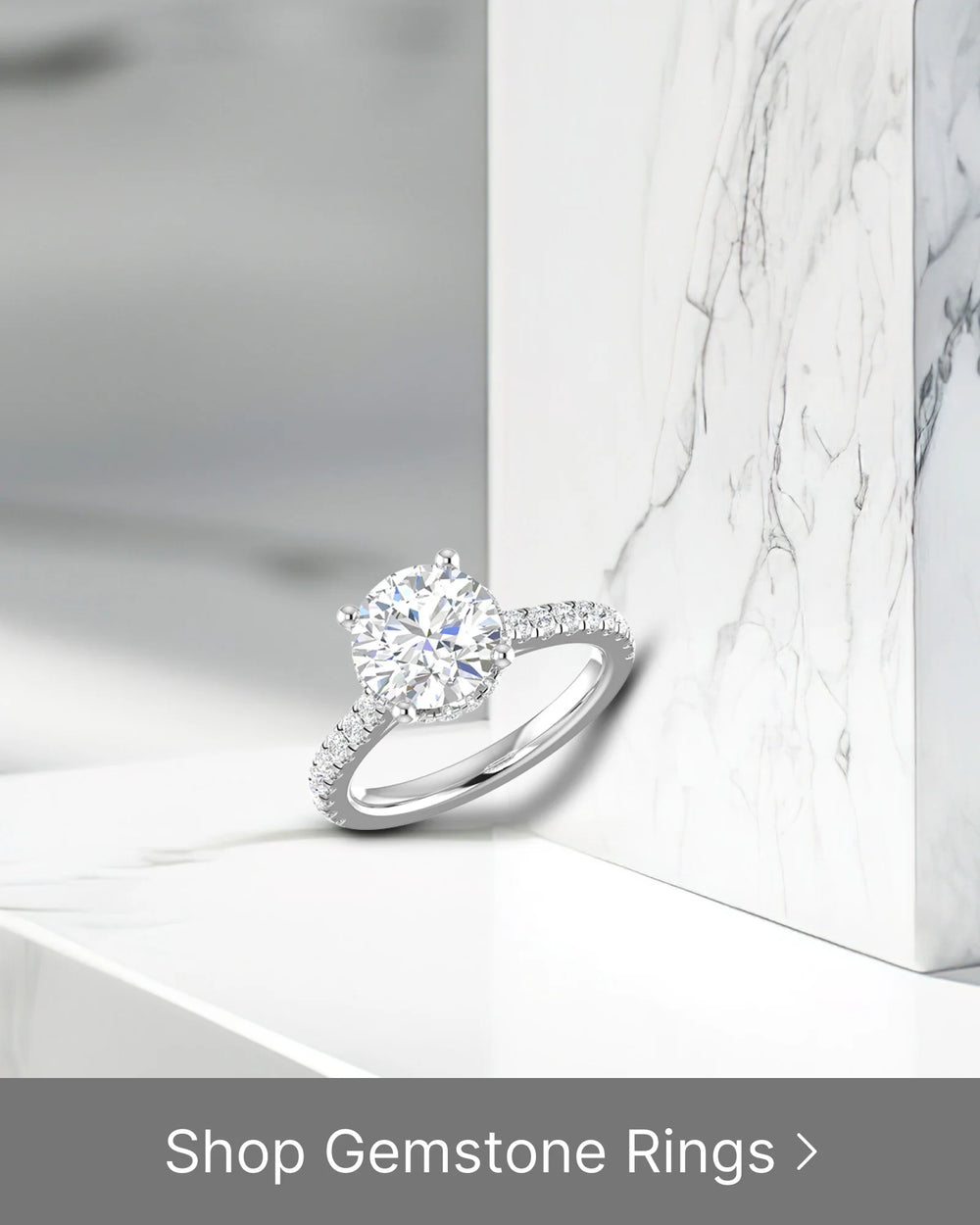
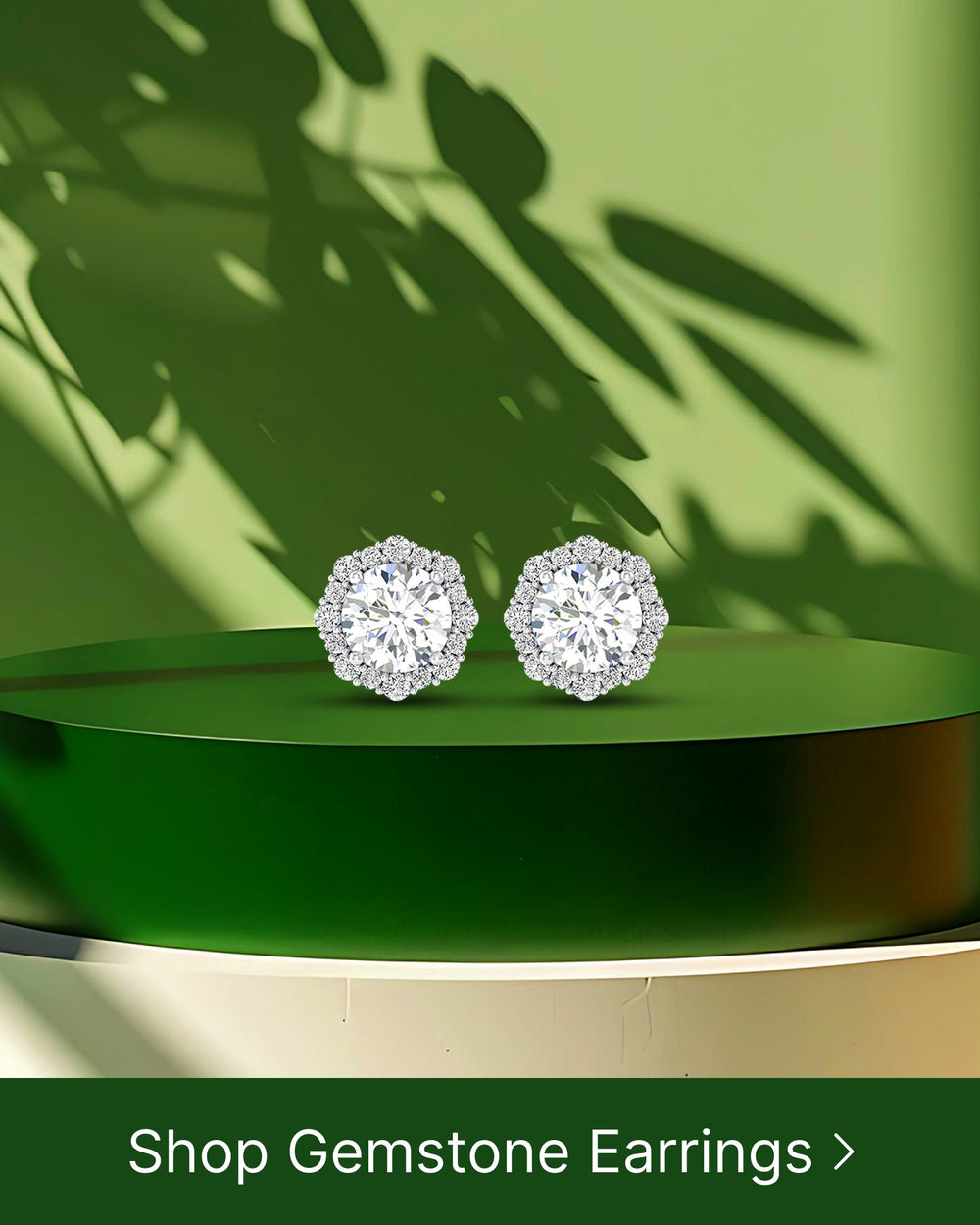
Let's start with the classic round cut, also known as the brilliant cut. This shape is the most popular and timeless choice for diamond engagement rings. Its symmetrical shape maximizes the diamond's brilliance and fire, creating a dazzling display of light. The round cut is versatile and suits a wide range of jewelry styles, from traditional to contemporary.
Another popular shape is the princess cut, which features a square or rectangular outline. This shape is known for its sharp corners and brilliant faceting, giving it a modern and sophisticated look. The princess cut is often used in engagement rings and adds a touch of elegance to any piece of jewelry.
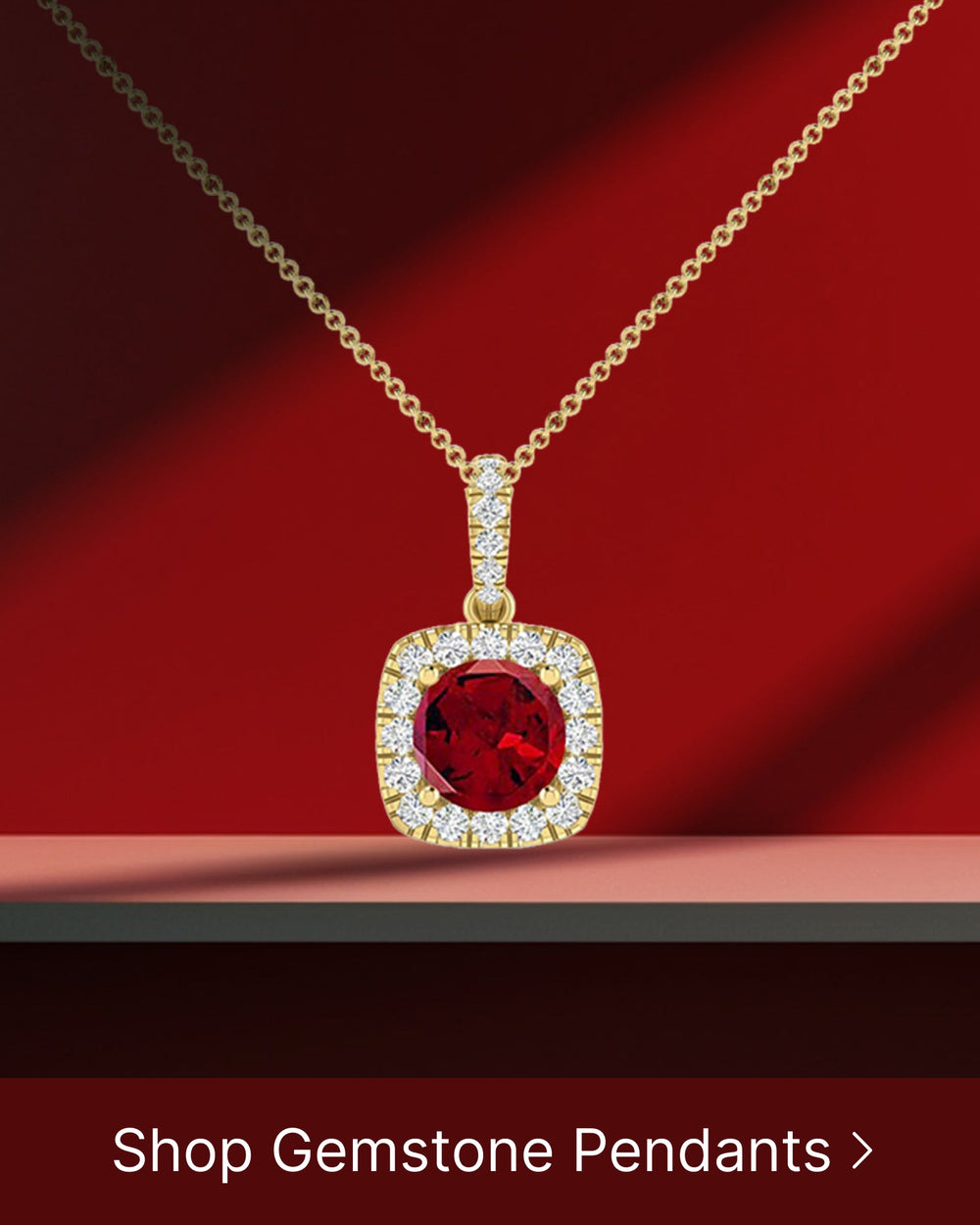
If you're looking for a more vintage or romantic feel, the cushion cut might be the perfect choice. This shape has rounded corners and larger facets, which create a soft and romantic appearance. The cushion cut is often used in antique-inspired designs and adds a touch of nostalgia to the jewelry.
For those who prefer something more unique and unconventional, there are fancy diamond shapes to consider. These shapes include the pear, marquise, oval, emerald, and heart cuts, among others. Each fancy shape has its own distinct personality and can add a sense of individuality to the jewelry.
How Diamond Shapes Influence Design
The choice of diamond shape has a profound influence on the overall design of a piece of jewelry. Different shapes can evoke different emotions and give a particular character to the jewelry. Whether it is a solitaire engagement ring or a statement pendant, the diamond shape sets the tone for the design, determining its elegance, modernity, or romantic allure. It is through the interplay of diamond shapes that designers bring their creative visions to life.
For example, a solitaire engagement ring with a round cut diamond exudes a classic and timeless elegance. The simplicity of the round shape allows the focus to be on the diamond's brilliance, making it the perfect choice for those who appreciate traditional beauty.
On the other hand, a modern and contemporary design can be achieved with a princess cut diamond. The sharp corners and geometric shape of the princess cut create a sleek and sophisticated look, perfect for those who prefer a more edgy and fashion-forward style.
For a vintage-inspired design, the cushion cut diamond is an excellent choice. Its soft and romantic appearance adds a touch of nostalgia and charm to the jewelry, making it a popular choice for those who appreciate the beauty of the past.
When it comes to fancy diamond shapes, the possibilities are endless. The pear cut, for example, can add a sense of elegance and femininity to a piece of jewelry. Its unique teardrop shape is both delicate and eye-catching, making it a popular choice for pendants and earrings.
Ultimately, the choice of diamond shape is a personal one. It is a reflection of individual style and taste. Whether you prefer a classic round cut or a fancy shape that stands out from the crowd, there is a diamond shape that will perfectly complement your personality and bring your jewelry design to life.
The Impact of Diamond Shapes on Jewelry Aesthetics
Diamond shapes play a significant role in the overall aesthetics of jewelry. The shape of a diamond not only affects its appearance but also influences how it interacts with light, creating unique patterns and reflections. Let's explore the impact of different diamond shapes on the beauty and allure of jewelry.
The Role of Symmetry in Diamond Shapes
Symmetry is a crucial factor in determining the visual appeal of diamond shapes. A well-proportioned diamond with balanced facets creates a harmonious and pleasing look. When each facet reflects light evenly, the diamond exhibits optimal brilliance, maximizing its sparkle and fire. Symmetry is essential for both round cut diamonds and fancy shapes, as it enhances the overall beauty and allure of the diamond.
Imagine a perfectly symmetrical round cut diamond, with its 58 precisely placed facets. As light enters the diamond, it bounces off each facet, creating a breathtaking display of brilliance. The symmetrical arrangement ensures that the light is evenly distributed, resulting in a dazzling sparkle that catches everyone's attention.
Similarly, fancy-shaped diamonds, such as the princess cut or the pear cut, rely on symmetry to achieve their full potential. Each facet must be precisely aligned to create a balanced and visually appealing diamond. When the symmetry is on point, these fancy-shaped diamonds exhibit a unique charm that sets them apart.
The Interplay of Light and Diamond Shapes
The interaction between light and diamond shapes is the essence of a jewelry piece's sparkle. Each diamond shape has its own light performance characteristics, which contribute to the creation of different patterns and reflections. By understanding these nuances, jewelry designers can select the perfect diamond shape to achieve their desired aesthetics.
Let's take a closer look at two popular diamond shapes: the round cut and the emerald cut.
The round cut diamond, with its 58 facets, is renowned for its exceptional brilliance. The symmetrical arrangement of facets allows light to bounce around the diamond, creating a mesmerizing display of sparkle. This shape is often chosen for engagement rings, as its brilliance symbolizes the eternal love shared between two individuals.
On the other hand, step-cut diamonds like the emerald cut create a mesmerizing play of light and dark facets, giving them a sophisticated allure. The emerald cut features long, rectangular facets that create a hall-of-mirrors effect. When light enters the diamond, it reflects off these large facets, producing a stunning display of alternating light and dark areas. This unique play of light gives emerald cut diamonds a timeless elegance that appeals to those seeking a more understated yet captivating jewelry piece.
Understanding the interplay between light and diamond shapes empowers jewelry designers to create masterpieces that capture the eye and heart. By carefully selecting the right diamond shape, they can achieve the desired aesthetics, whether it's a brilliant and fiery display or a subtle and sophisticated allure.
Popular Diamond Shapes in Jewelry Design
Round Cut Diamonds: Timeless Elegance
The round cut diamond is the most popular and timeless choice for engagement rings. Its symmetrical shape and optimal light performance make it a classic symbol of eternal love. The round shape's versatility allows it to be incorporated into various jewelry designs, from solitaires to intricate pavé settings.
Princess Cut Diamonds: Modern Sophistication
The princess cut diamond, with its square shape and sharp corners, is a modern and bold choice for those seeking sophistication. The princess cut combines the brilliance of a round cut with a sleek geometric outline, creating a distinctive and eye-catching appearance. This shape is often favored for engagement rings and is well-suited to contemporary jewelry designs.
The Symbolism of Diamond Shapes
The Romantic Connotations of Heart-Shaped Diamonds
Heart-shaped diamonds hold a romantic and sentimental appeal. They are considered a symbol of love and affection, making them an enchanting choice for expressing deep emotions. Whether gracing an engagement ring or a pendant, heart-shaped diamonds evoke a sense of romance and devotion.
The Power and Strength of Emerald Cut Diamonds
Emerald cut diamonds exude power and strength with their rectangular shape and step-cut facets. This shape is revered for its elegant and sophisticated appearance. The clean lines and long facets of the emerald cut make it an ideal choice for showcasing the diamond's clarity and pristine allure. It is often favored in engagement rings and statement jewelry where understated glamour is desired.
Choosing the Right Diamond Shape for You
Considerations for Selecting Diamond Shapes
When selecting a diamond shape, several factors come into play, including personal taste, style preferences, and the intended purpose of the jewelry. It is essential to consider the wearer's individuality and the message they want to convey through their jewelry. Whether it is a traditional round cut or a unique fancy shape, choosing the right diamond shape ensures that the jewelry resonates with the wearer's personality and captures their desired aesthetic.
Matching Diamond Shapes with Jewelry Styles
Matching the diamond shape to the overall style of the jewelry is crucial for achieving a cohesive and visually pleasing design. For example, a vintage-inspired piece may be best complemented by an antique or cushion-cut diamond, while a contemporary design may call for a sleek and angular princess or asscher cut. By carefully considering the style and design elements of the jewelry, designers can select the diamond shape that enhances the overall aesthetic and creates a harmonious composition.
In conclusion, the significance of diamond shapes in jewelry design cannot be overstated. From their influence on aesthetics to the symbolism they convey, diamond shapes play a vital role in creating captivating and meaningful pieces. By understanding the basics of diamond shapes, exploring their impact on design, and recognizing the symbolism behind popular shapes, both jewelry enthusiasts and designers can make informed choices that result in exquisite and personalized jewelry creations.