Understanding Diamond Measurements: Carat Weight and Sizing
Diamond measurements play a crucial role in determining the value and appearance of a diamond. Two fundamental aspects of diamond measurements are carat weight and sizing. In this comprehensive guide, we will delve into the basics of diamond measurements, explore the intricacies of carat weight, understand the science behind diamond sizing, and provide practical tips for buying diamonds that perfectly fit your preferences.
The Basics of Diamond Measurements
Before we dive into the specifics of carat weight and sizing, let's establish a solid foundation of diamond measurements. Diamonds are typically measured in multiple dimensions, including diameter, depth, and table size. These measurements help gauge the overall proportions of the diamond, which directly impact its brilliance and visual appeal.
When it comes to diamond measurements, precision is key. Each dimension is carefully assessed to ensure that the diamond is cut to maximize its beauty and sparkle. The diameter, which is the width of the diamond when viewed from the top, is a crucial measurement as it determines how the diamond will fit into a setting. The depth, on the other hand, refers to the distance from the table (the flat top surface of the diamond) to the culet (the pointed bottom tip). This measurement affects the diamond's overall shape and how light is reflected within the stone.
Another important measurement is the table size, which is the largest facet on the top of the diamond. The table size directly influences the diamond's brilliance and how light is dispersed throughout the stone. A well-proportioned table size ensures that light enters the diamond and reflects back to the viewer's eye, creating a dazzling display of sparkle.
What is Carat Weight?
Carat weight, a term often used interchangeably with size, refers to the unit of measurement used for diamonds and other precious gemstones. One carat is equal to 200 milligrams or 0.2 grams. As the carat weight increases, so does the perceived size of the diamond. However, it's essential to note that carat weight alone does not determine a diamond's value.
While carat weight is a significant factor in determining a diamond's value, it is not the sole indicator of a diamond's beauty. Other factors, such as cut, color, and clarity, also play a crucial role in the overall quality and desirability of a diamond. A smaller diamond with exceptional cut, color, and clarity can often be more valuable than a larger diamond with lower grades in these areas.
Importance of Diamond Sizing
Sizing, on the other hand, allows us to understand how large or small a diamond appears when worn. Sizing takes into account other factors like the diamond's cut, shape, and the way it is set. A well-proportioned diamond with an ideal cut can appear larger than a diamond with a deeper cut, even if they have the same carat weight. Thus, sizing plays a crucial role in optimizing a diamond's visual impact.
When it comes to diamond sizing, it's important to consider personal preferences and individual style. Some individuals may prefer a larger diamond that makes a bold statement, while others may opt for a smaller diamond that exudes elegance and subtlety. The choice of diamond size ultimately depends on factors such as personal taste, budget, and the intended purpose of the diamond, whether it's for an engagement ring, a pendant, or any other piece of jewelry.
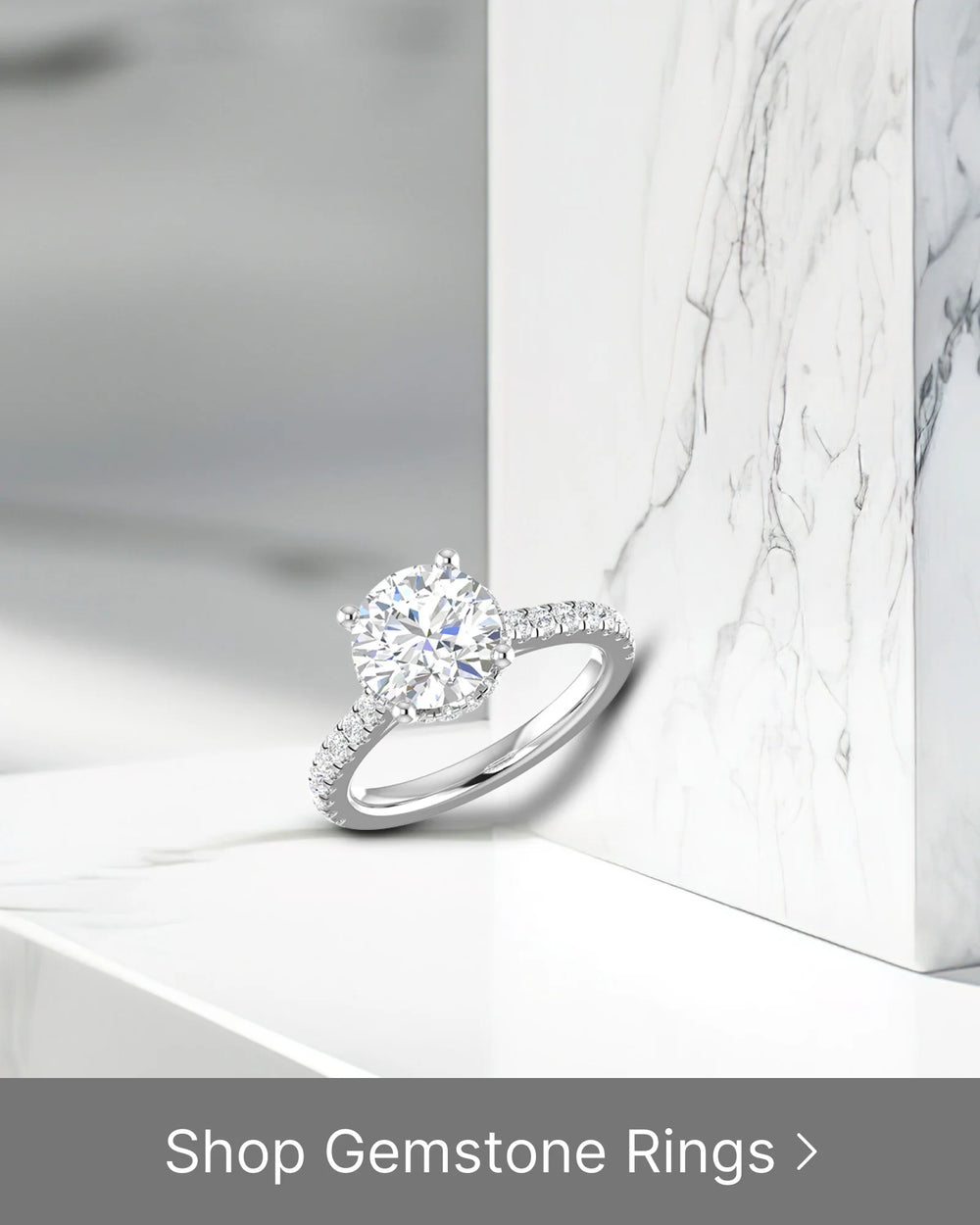
Furthermore, diamond sizing can also be influenced by the setting in which the diamond is placed. The type of setting, such as a solitaire or a halo, can enhance the perceived size of the diamond and create a stunning visual effect. Additionally, the metal used in the setting, such as white gold or platinum, can also impact the overall appearance of the diamond, making it appear larger or more brilliant.
In conclusion, diamond measurements, including carat weight and sizing, are essential factors to consider when selecting a diamond. While carat weight provides a general indication of a diamond's size, it is crucial to also assess other factors such as cut, color, clarity, and the overall proportions of the stone. Sizing, on the other hand, allows us to understand how the diamond will appear when worn and how it will interact with the chosen setting. By considering all these elements, one can make an informed decision and choose a diamond that not only meets their desired size but also exhibits exceptional beauty and brilliance.
Delving Deeper into Carat Weight
When it comes to diamonds, carat weight is often associated with size. However, there is more to this aspect than just mere measurements. Let's delve deeper into carat weight and explore its nuances, including how it affects a diamond's value and the common misconceptions surrounding it.
How Carat Weight Affects Diamond Value
Carat weight plays a significant role in determining a diamond's value. In fact, it is one of the "Four Cs" used to assess a diamond's quality. However, it's important to note that the value of a diamond is not solely determined by its carat weight. The other three Cs - cut, color, and clarity - also contribute to a diamond's overall worth. It is the harmonious combination of these factors that results in a visually stunning and valuable diamond.
For instance, a diamond with a high carat weight but poor cut, color, and clarity may not be as valuable as a diamond with a lower carat weight but excellent cut, color, and clarity. This is because a well-cut diamond reflects light in a way that enhances its brilliance, while a poorly cut diamond may appear dull and lackluster, regardless of its carat weight.
Therefore, when considering a diamond's value, it is crucial to strike a balance between carat weight and the other Cs. A diamond with a slightly lower carat weight but exceptional cut, color, and clarity can be just as captivating and valuable as a larger diamond with inferior qualities.
Common Misconceptions about Carat Weight
One common misconception about carat weight is that a higher carat weight automatically translates to a more beautiful diamond. While it is natural to desire a larger diamond, it is essential to consider the overall quality and appearance of the stone. A well-cut diamond with a smaller carat weight can often outshine a poorly cut diamond with a higher carat weight.
It is important to remember that carat weight does not solely determine a diamond's beauty. The cut of a diamond, which refers to how well it has been shaped and faceted, greatly influences its brilliance and sparkle. Even a diamond with a lower carat weight can appear more dazzling if it has been cut to maximize its light performance.
Another misconception surrounding carat weight is that it directly signifies a diamond's size in millimeters. While carat weight does provide a general indication of a diamond's size, it does not give precise measurements in terms of millimeters. Factors such as the diamond's shape, cut, and proportions also affect its overall dimensions. Therefore, relying solely on carat weight to determine the physical size of a diamond can be misleading.
In conclusion, carat weight is an important aspect to consider when evaluating a diamond's value, but it should not be the sole determining factor. The interplay between carat weight, cut, color, and clarity ultimately determines a diamond's worth and visual appeal. By understanding the nuances of carat weight, we can make informed decisions when selecting the perfect diamond that combines size, quality, and beauty.
The Science of Diamond Sizing
Sizing a diamond involves a scientific process that takes various factors into account. Let's explore the intricate science behind diamond sizing and discover the factors that influence the perceived size of a diamond.
The Process of Diamond Sizing
Diamond sizing is influenced by multiple factors, including the diamond's cut, shape, proportions, and the way it is set in jewelry. The cut of a diamond plays a crucial role in determining its brilliance and sparkle, indirectly affecting its perceived size. Additionally, the shape of a diamond also contributes to its size perception, with elongated shapes appearing larger compared to round-shaped diamonds of the same carat weight. Moreover, the diamond's setting can enhance or diminish its apparent size.
Factors Influencing Diamond Size
Aside from the diamond's physical attributes, environmental factors can also influence how we perceive the size of a diamond. Lighting conditions, the color of metal used in the setting, and the presence of other gemstones can all affect the visual impact of a diamond. It's important to consider these factors when assessing the size of a diamond and making a purchase.
Comparing Carat Weight and Diamond Size
Understanding the relationship between carat weight and diamond size is key to making an informed decision. Let's explore how these two factors correspond to each other and how to strike a balance between them.
Understanding the Relationship Between Carat and Size
Carat weight and diamond size are closely related, as larger carat weights generally result in larger diamond sizes. However, it's crucial to consider the other factors mentioned earlier, such as cut and shape, as they significantly influence the perceived size of a diamond. By understanding the interplay between carat weight and size, you can make a well-informed decision when selecting a diamond that suits your preferences.
How to Balance Carat Weight and Size for Optimal Value
When it comes to balancing carat weight and size, it's important to prioritize your personal preferences and budget. Consider the qualities that matter most to you—whether it's overall appearance, diamond size, or a combination of factors. By seeking guidance from reputable jewelers and understanding the impact of different diamond characteristics, you can find a diamond that offers optimal value while meeting your desired size requirements.
Practical Tips for Buying Diamonds
With a better understanding of carat weight and sizing, let's explore some practical tips for buying diamonds that match your preferences and expectations.
Deciding on the Right Carat Weight
When deciding on the carat weight, consider factors such as the size of the wearer's hand, personal style, and budget. It's important to strike a balance between carat weight and the other Cs to ensure an exquisite diamond that fits your specific requirements.
Choosing the Perfect Diamond Size
When choosing the perfect diamond size, consider factors such as the diamond's cut, shape, and setting. Experiment with different sizes and seek professional advice to find the size that best accentuates the diamond's beauty and matches your style.
In conclusion, understanding diamond measurements, including carat weight and sizing, is essential for making an informed diamond purchase. By exploring the basics of diamond measurements, delving deeper into carat weight, understanding the science of diamond sizing, and considering practical tips for buying diamonds, you can navigate the world of diamonds with confidence and find the perfect diamond that captures your heart.