Gemstones have been revered for their beauty and rarity throughout history. However, these precious stones also hold symbolic meanings and significance that go beyond their physical attributes. In this guide, we will delve into the world of gemstone symbolism and help you unlock the hidden meanings behind your favorite gemstones.
Understanding Gemstone Symbolism
Gemstone symbolism is a fascinating subject that goes back centuries. Understanding the meanings behind different gemstones can provide a deeper appreciation for their beauty and even offer insight into various aspects of life. To fully grasp gemstone symbolism, it is essential to explore both the history of gemstone meanings and their cultural significance.
Let's delve deeper into the world of gemstone symbolism and uncover more intriguing details!
The History of Gemstone Meanings
The exploration of gemstone meanings dates back to ancient civilizations, where gemstones were believed to possess mystical and metaphysical properties. Ancient texts and folklore often attribute specific powers and virtues to certain gemstones. For example, the ancient Egyptians believed that lapis lazuli brought wisdom and protection.
As civilizations flourished and interacted with one another, gemstone meanings began to evolve. The Greeks, for instance, associated amethyst with sobriety and clarity of mind, while the Romans believed that emeralds symbolized fertility and rebirth.
Throughout history, gemstone meanings have continued to adapt, influenced by cultural exchanges and trade routes. The Silk Road, a network of ancient trade routes connecting Asia, Europe, and Africa, played a significant role in spreading gemstone symbolism across different regions. This exchange of ideas and beliefs enriched the world of gemstone symbolism, creating a tapestry of diverse interpretations.
The Cultural Significance of Gemstones
Gemstones hold immense cultural significance in various parts of the world. Different cultures have their own unique interpretations of gemstone symbolism, which are often influenced by their religious or spiritual beliefs.
In Indian culture, gemstones are believed to have a significant impact on a person's life, and they are often worn as remedies to counteract negative influences or enhance positive energies. Each gemstone is associated with different astrological signs and is believed to bring specific benefits to individuals. For example, the ruby is associated with the Sun and is believed to bring success, while the pearl is associated with the Moon and is believed to bring peace and emotional balance.
In Chinese culture, jade holds great importance and is considered a symbol of purity, wisdom, and prosperity. It is believed to have protective qualities and is often passed down through generations as a precious family heirloom.
The cultural significance of gemstones extends beyond individual beliefs and practices. Gemstones are also used in ceremonial and religious contexts. For example, in Christianity, the twelve gemstones mentioned in the Book of Revelation are believed to represent the twelve apostles, symbolizing their virtues and spiritual qualities.
By exploring the history and cultural significance of gemstones, we gain a deeper understanding of their symbolism. Each gemstone carries a story, a connection to ancient civilizations, and a reflection of human beliefs and aspirations. So, the next time you admire a gemstone, take a moment to appreciate the rich tapestry of meanings it holds.
The Language of Gemstones
Gemstones communicate their meanings through various aspects, including their color, shape, and cut. Each element plays a vital role in conveying symbolism and significance.
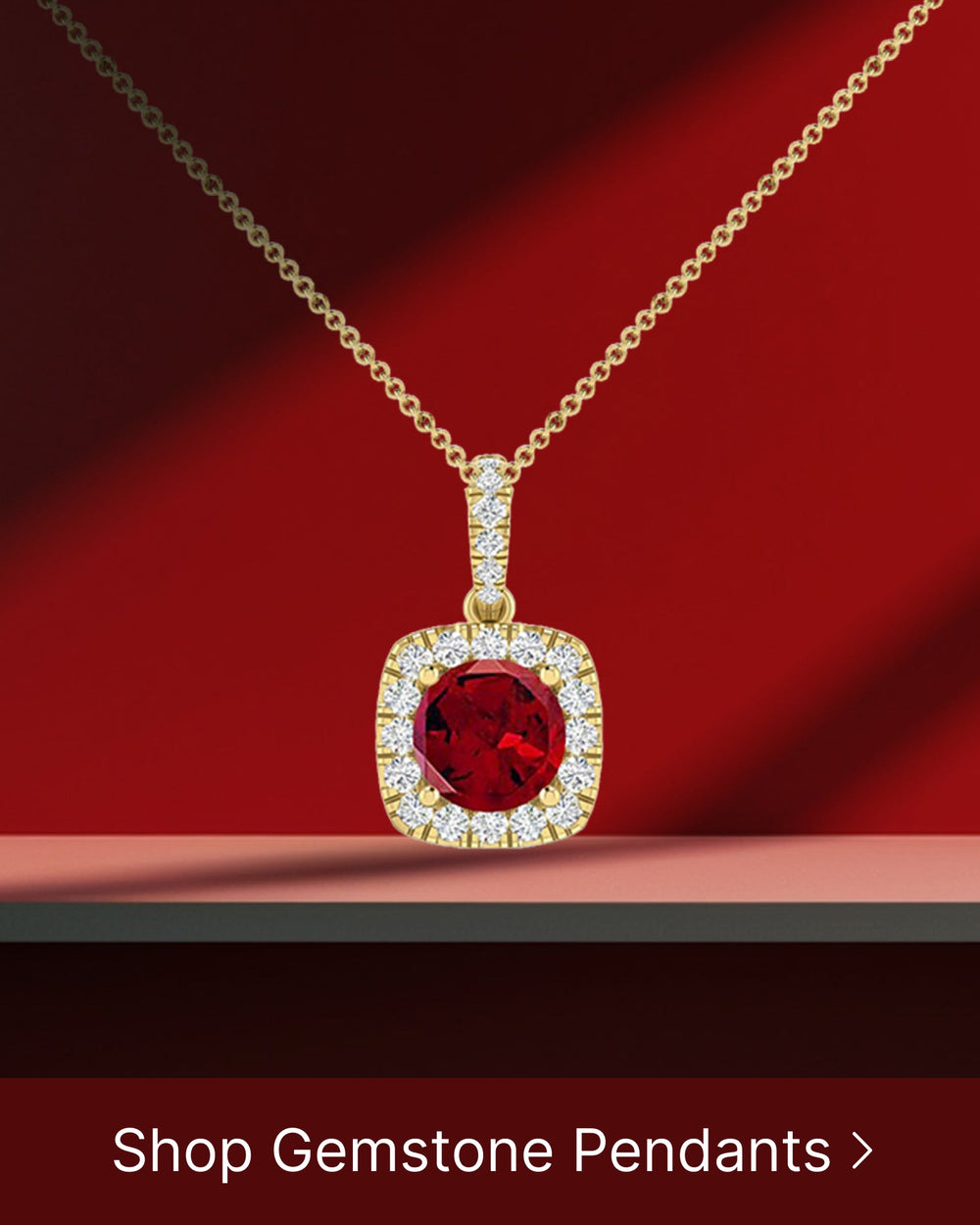
When it comes to gemstones, color symbolism is a powerful tool for understanding their meanings. The colors of gemstones can evoke different emotions and convey distinct meanings. For example, red gemstones, such as rubies or garnets, are often associated with passion and vitality. These fiery stones ignite a sense of energy and intensity, making them perfect for those seeking to add a spark to their lives.
On the other hand, green gemstones, like emeralds, symbolize growth and abundance. These lush stones are reminiscent of nature's beauty and represent the flourishing aspects of life. They are often chosen by those who seek prosperity and a deep connection with the natural world.
Blue gemstones, such as sapphires, represent tranquility and calmness. These serene stones have a soothing effect on the mind and are often associated with inner peace and spiritual growth. They are favored by those who wish to find balance and serenity in their lives.
By understanding the color symbolism of gemstones, you can select the perfect stone that aligns with your desired intentions or represents a specific aspect of your life.
Shape and cut are also important factors to consider when exploring the symbolism of gemstones. The shape of a gemstone can enhance its meaning and convey a deeper message. For instance, a round cut gemstone is often associated with unity and completion. The circular shape represents the cyclical nature of life and the interconnectedness of all things. It is a symbol of wholeness and harmony, making it an ideal choice for those seeking balance and unity in their lives.
On the other hand, a pear-shaped gemstone signifies tears of joy and new beginnings. This unique shape resembles a teardrop, symbolizing the shedding of old emotions and the start of a new chapter. It is a powerful symbol of transformation and renewal, making it a meaningful choice for those embarking on a new journey or celebrating a joyous occasion.
By considering the shape and cut of a gemstone, you can further enhance its symbolism and personalize the message it conveys. Whether you are drawn to the vibrant red of a ruby or the calming blue of a sapphire, each gemstone has a language of its own, waiting to be discovered and understood.
Gemstones and Their Meanings
Now that we have explored the fundamentals of gemstone symbolism, let's delve into the meanings behind specific gemstones. Certain gemstones have established associations and hidden messages that make them particularly significant.
Gemstones have captivated human beings for centuries with their beauty and allure. Beyond their aesthetic appeal, these precious stones have been attributed with various meanings and powers, making them objects of fascination and intrigue.
Each gemstone possesses a unique story, a tale woven through time and culture. These stories often reflect the qualities and characteristics that people have associated with the gemstones, giving them a deeper significance.
Birthstones and Their Hidden Meanings
Birthstones are gemstones associated with each month and are believed to bring good luck and protection to those born during that time. These gemstones possess unique meanings and qualities that resonate with individuals born under their influence.
For centuries, people have turned to birthstones as a way to connect with their birth month and tap into the energies associated with it. These gemstones serve as personal talismans, guiding and protecting individuals throughout their lives.
Take, for example, individuals born in July, who are linked to the ruby. The ruby is a gemstone symbolizing passion and courage. It is believed to ignite the fire within, inspiring individuals to pursue their dreams fearlessly. The deep red hue of the ruby represents the intensity of emotions and the strength to overcome challenges.
On the other hand, those born in February are associated with amethyst, a gemstone representing clarity and inner strength. Amethyst is known for its soothing energy, promoting calmness and mental clarity. It is believed to enhance spiritual awareness and provide protection against negative influences.
Healing Stones and Their Significance
Healing stones have long been used for their natural energies and therapeutic properties. Each gemstone possesses different healing qualities, and their usage varies depending on the individual's needs.
Ancient civilizations believed that gemstones had the power to heal the body, mind, and spirit. They were used in various forms of alternative medicine, such as crystal therapy and energy healing, to restore balance and promote well-being.
Amber, for example, is believed to aid in emotional healing and positive energy. This warm, golden gemstone is formed from fossilized tree resin and is known for its ability to dispel negative emotions and promote a sense of joy and optimism. It is often used to alleviate stress and anxiety, bringing a sense of lightness and positivity to the wearer.
Rose quartz, on the other hand, is a gemstone that promotes love and harmony within relationships. Known as the "stone of unconditional love," rose quartz is believed to open the heart chakra, fostering compassion, forgiveness, and understanding. It is often used to attract love and strengthen existing relationships.
Understanding these healing stones and their significance can empower individuals to incorporate them into their well-being practices. Whether worn as jewelry, placed on the body, or used during meditation, gemstones can serve as powerful tools for self-care and personal growth.
Incorporating Gemstone Symbolism into Your Life
Now that you are familiar with gemstone symbolism and meanings, you may wonder how to integrate these powerful messages into your daily life. There are various ways to harness the energy of gemstones and embrace their symbolism.
Choosing the Right Gemstone for You
When selecting a gemstone, consider your intentions and the specific symbolism associated with each stone. Whether you seek love, protection, or abundance, there is a gemstone suitable for you.
Engage with the gemstones, learn about their meanings, and trust your intuition when choosing the one that resonates with you the most. By selecting a gemstone that aligns with your intentions, you can enhance its impact in your life.
Caring for Your Symbolic Gemstones
Once you have chosen your gemstone, it is essential to care for it properly to ensure its longevity and efficacy. Gemstones, like any precious belongings, require attention and maintenance.
Research the specific care instructions for your gemstone to preserve its luster and energy. This may include precautions against exposure to harsh chemicals or methods to cleanse and recharge the stone's energy.
Debunking Common Myths About Gemstones
Despite the rich symbolism and historical significance of gemstones, there are also common myths and misconceptions surrounding them. Separating fact from fiction can help you better appreciate the true meaning and value of gemstones.
Misconceptions About Gemstone Powers
Some people believe that gemstones possess supernatural powers capable of bringing overnight changes or solving all problems. However, it is important to approach gemstone beliefs with a grounded perspective.
Gemstones can enhance certain energies or support intentions, but they should not be regarded as quick fixes or substitutes for professional guidance. It is essential to maintain a balanced view of gemstone powers and use them in conjunction with other practices for holistic well-being.
The Truth Behind Gemstone Myths
Throughout history, gemstones have been subject to various myths and legends. While these stories add to the allure of gemstones, they may not always be based on factual evidence.
By debunking common gemstone myths, such as unfounded claims of magical properties or exaggerated tales of exceptional outcomes, we can appreciate gemstones for their true value and inherent beauty.
In conclusion, understanding gemstone symbolism allows us to forge a deeper connection with these precious stones. Gemstones not only offer aesthetic pleasure but also carry the weight of hidden meanings and significance. By exploring the rich history, cultural significance, color symbolism, and specific associations of gemstones, we can unlock their secrets and incorporate their symbolism into our lives in meaningful ways.