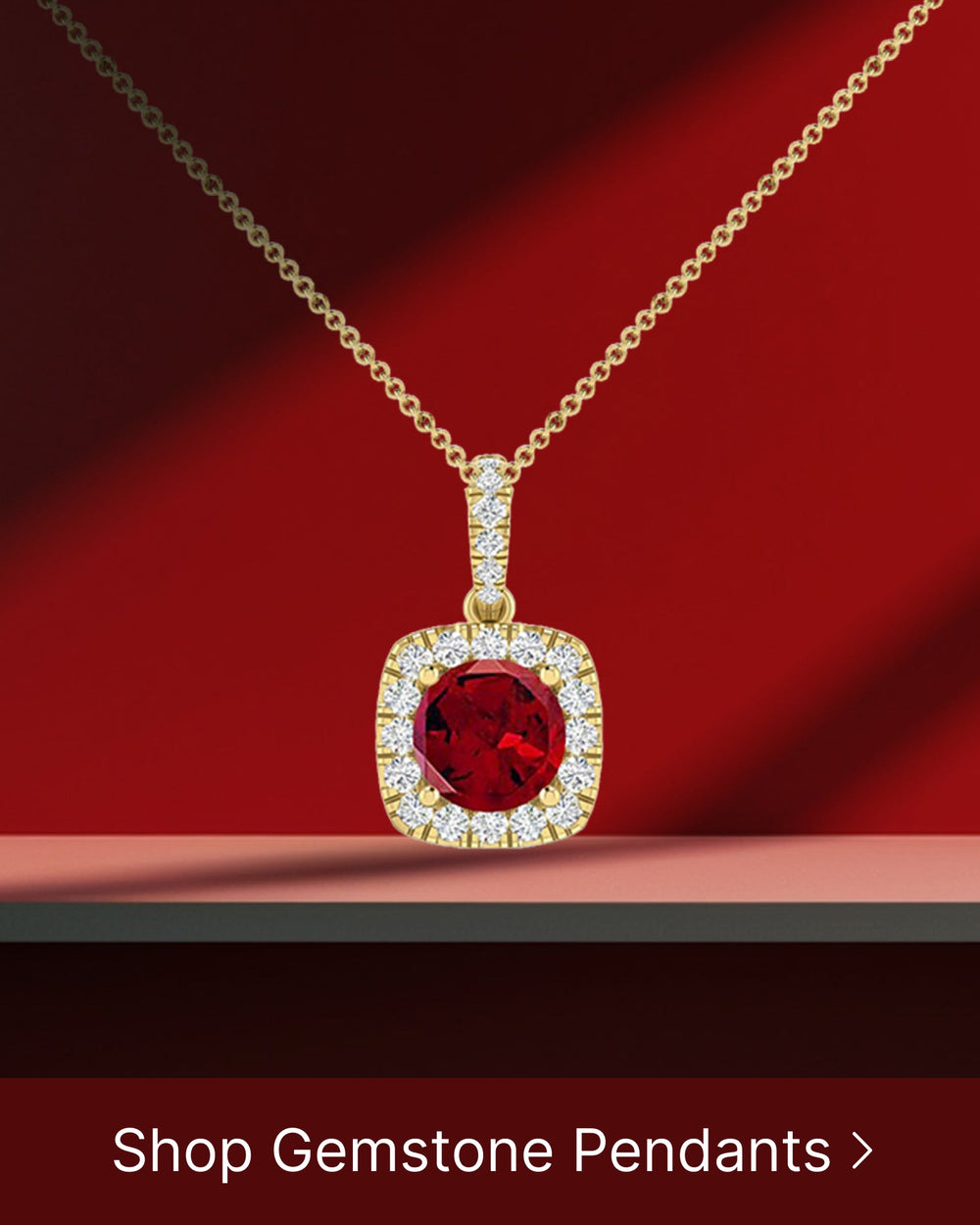
Diamonds have captivated human beings for centuries with their beauty and extraordinary properties. These sparkling gemstones are not only valued for their rarity and brilliance but also carry significant symbolism. Understanding the symbolism of diamonds opens up a fascinating world of historical, cultural, literary, and emotional interpretations.
Understanding the Symbolism of Diamonds
Diamonds have a rich and diverse symbolism that encompasses various aspects of human life and beliefs. From ancient civilizations to modern-day cultures, diamonds have played a prominent role as symbols of power, beauty, love, spirituality, and even controversy.
When we delve into the historical significance of diamonds, we discover a fascinating journey that spans across time and continents. In ancient times, diamonds were highly prized and associated with royalty, wealth, and strength. Kings and queens adorned themselves with diamond jewelry to symbolize their power and authority. The sparkling brilliance of diamonds was believed to reflect the divine light, making them objects of awe and reverence. Ancient civilizations also believed that diamonds possessed supernatural abilities and protective qualities, making them valuable talismans in times of war and uncertainty.
Centuries later, during the Renaissance period, diamonds took on a new meaning. They became popular symbols of wealth and luxury, coveted possessions among the elite. The discovery of diamond mines in India increased their availability, allowing more people to experience the allure of these precious gemstones. Diamonds became a status symbol, representing not only material wealth but also sophistication and refinement.
As we explore the cultural interpretations of diamond symbolism, we find that different cultures have assigned unique meanings to these dazzling gems. In Hinduism, diamonds are associated with Vajra, the lightning bolt of Indra, symbolizing divine power. The diamond's ability to withstand immense pressure and remain unscathed is seen as a metaphor for inner strength and resilience.
In Chinese culture, diamonds are considered symbols of purity and abundance. The clarity and purity of diamonds are believed to reflect the virtues of the human spirit, while their rarity and brilliance represent abundance and prosperity. Diamonds are often used in Chinese weddings as a symbol of the couple's pure and everlasting love.
Similarly, in many African cultures, diamonds are seen as spiritual talismans that bring good fortune and protect against evil spirits. The diamond's ability to refract light is believed to ward off negative energy and bring positive vibrations to the wearer. Diamonds are often passed down through generations as heirlooms, carrying with them the blessings and protection of ancestors.
The symbolism of diamonds differs among cultures, reflecting their unique beliefs and traditions. However, one thing remains constant - diamonds continue to captivate our imagination and evoke a sense of wonder. Whether they are seen as symbols of power, beauty, love, or spirituality, diamonds hold a timeless allure that transcends borders and connects us to the rich tapestry of human history.
The Diamond in Literature and Mythology
The allure of diamonds is also deeply ingrained in literature and mythology. Throughout history, diamonds have appeared in folklore, legends, and celebrated works of literature, acquiring symbolic meanings that continue to resonate with readers.
Let us delve deeper into the fascinating world of diamonds in folklore and legends.
Diamonds in Folklore and Legends
In ancient folklore, diamonds were believed to possess magical properties. They were often associated with invincibility, bringing luck and protection to the wearer. Legends told tales of heroes and heroines embarking on quests to retrieve diamonds, signifying their strength and courage.
One famous diamond legend is the story of the Koh-i-Noor, a diamond that has passed through the hands of various rulers, believed to bring both fortune and misfortune to its possessors. The Koh-i-Noor's journey is shrouded in mystery and intrigue, captivating the imaginations of those who hear its tale.
Legends also speak of the Cullinan Diamond, the largest rough diamond ever discovered. This magnificent gem was eventually cut into several smaller diamonds, some of which now adorn the British Crown Jewels. The Cullinan Diamond's story is a testament to the enduring power and beauty of diamonds.
Literary References and Their Meanings
Diamonds have been used symbolically in renowned works of literature. In William Shakespeare's play "Romeo and Juliet," diamonds symbolize constancy and unbreakable love. The diamond ring given by Romeo to Juliet serves as a testament to their eternal bond. This powerful symbol of love has resonated with readers for centuries, reminding us of the enduring nature of true love.
In F. Scott Fitzgerald's novel "The Great Gatsby," diamonds represent wealth, glamour, and the allure of the Roaring Twenties. The diamond-encrusted necklace worn by Daisy Buchanan reflects the materialism and superficiality of the era. This literary portrayal of diamonds highlights the seductive power of wealth and the consequences it can have on individuals and society.
Another notable literary reference is found in J.R.R. Tolkien's "The Lord of the Rings" trilogy. The Arkenstone, a precious diamond-like gem, plays a significant role in the story. It symbolizes power, greed, and the destructive nature of obsession. The Arkenstone's allure drives characters to great lengths, showcasing the captivating and dangerous nature of diamonds in Tolkien's fantastical world.
As we explore the rich tapestry of literature and mythology, it becomes evident that diamonds hold a special place in our collective imagination. Their beauty, rarity, and symbolism continue to captivate us, making them an enduring presence in the realms of storytelling and fantasy.
Diamond Symbolism in Relationships and Love
For centuries, diamonds have been intimately associated with love and romantic relationships. The symbolism of diamonds in the context of love has evolved over time, shaping traditions and celebrations that continue to this day.
When we think of diamonds, we often think of their exquisite beauty and rarity. These precious gemstones have captivated hearts and minds, becoming a timeless symbol of love and devotion. But what is it about diamonds that make them so special in the realm of relationships?
The allure of diamonds lies not only in their physical properties but also in the stories and traditions that surround them. From the diamond engagement ring tradition to diamond anniversary celebrations, diamonds have become woven into the fabric of our romantic lives.
The Diamond Engagement Ring Tradition
The tradition of giving a diamond engagement ring originated in 1477 when Archduke Maximilian of Austria proposed to Mary of Burgundy with a diamond engagement ring. This historic moment marked the beginning of a tradition that would endure for centuries to come.
Since then, diamonds have become synonymous with love, commitment, and the promise of a lifelong partnership. The act of presenting a diamond engagement ring to a loved one is a powerful symbol of one's intentions and the desire to build a future together.
Today, the diamond engagement ring remains an enduring symbol of love, symbolizing the strength, durability, and brilliance of the relationship. It serves as a constant reminder of the commitment made and the love shared between two individuals.
Diamond Anniversary Celebrations
As relationships withstand the test of time, milestones such as diamond anniversaries hold special significance. Celebrating a diamond anniversary, which marks sixty years of marriage, is a testament to enduring love, commitment, and resilience.
Reaching this remarkable milestone is a cause for celebration, and diamonds play a central role in honoring the journey of a couple's love. Diamond anniversary celebrations often involve exchanging diamond jewelry or renewing vows, reinforcing the symbolism of diamonds as a representation of lifelong love and fidelity.
But it's not just the material value of diamonds that makes them significant in these celebrations. Diamonds are formed under immense pressure and heat deep within the Earth's crust, taking millions of years to reach their full potential. This natural process mirrors the challenges and growth that a relationship experiences over time.
Just as a diamond emerges from the rough, polished and radiant, so too does a long-lasting relationship. The diamond anniversary serves as a reminder of the strength and beauty that can be found in enduring love.
Whether it's the sparkle of a diamond engagement ring or the significance of a diamond anniversary, diamonds continue to hold a special place in our hearts and in the realm of love and relationships. Their timeless beauty and enduring symbolism make them a cherished symbol of love that will continue to shine bright for generations to come.
Spiritual and Healing Properties of Diamonds
Beyond their symbolic value in human relationships, diamonds are also believed to possess spiritual and healing properties. Their remarkable properties have made them subjects of fascination in mystical and alternative healing practices.
Diamonds in Astrology and Birthstones
In astrology, diamonds are associated with clarity, abundance, and courage. They are believed to enhance inner strength and provide mental clarity to individuals born under the zodiac sign of Aries.
Furthermore, diamonds serve as April's birthstone, symbolizing purity, strength, and eternal love. Many people wear diamond birthstone jewelry as a means to connect with these qualities and harness their positive energies.
Therapeutic Uses of Diamonds
Some alternative healing practices believe in the therapeutic properties of diamonds. It is believed that diamonds can help promote positivity, enhance spiritual growth, and alleviate emotional pain.
Therapists may use diamonds in crystal healing sessions to restore energy balance, stimulate creativity, and foster self-expression. Additionally, some claim that wearing diamond jewelry can empower individuals and boost their confidence.
The Darker Side of Diamond Symbolism
While diamonds are often associated with love, beauty, and luxury, they also have a darker side that cannot be ignored. The diamond industry has been marred by controversy, ethical concerns, and environmental impacts that contrast with the romantic symbolism often associated with these precious gemstones.
The Blood Diamond Controversy
One of the most significant controversies surrounding diamonds is the issue of blood diamonds, also known as conflict diamonds. These diamonds are mined in war-torn regions and sold to finance armed conflicts, often leading to human rights abuses and environmental devastation.
The blood diamond controversy has raised awareness about the ethical implications of diamond mining and led to efforts to regulate the industry and ensure the traceability and responsible sourcing of diamonds.
The Environmental Impact of Diamond Mining
Aside from the ethical concerns, diamond mining also has environmental consequences. Large-scale diamond mining operations can cause habitat destruction, soil erosion, and water pollution. The extraction process often requires significant energy consumption and carbon emissions.
However, efforts are being made by industry stakeholders to implement sustainable mining practices and minimize the environmental footprint of diamond production.
In conclusion, diamonds symbolize much more than their extraordinary beauty. They carry historical, cultural, literary, emotional, and even controversial meanings. From their significance in ancient civilizations to their portrayal in works of literature, and their representation in love and relationships, diamonds continue to evoke awe and fascination. Understanding the multifaceted symbolism of diamonds sheds light on their diverse interpretations and adds to their enduring allure.