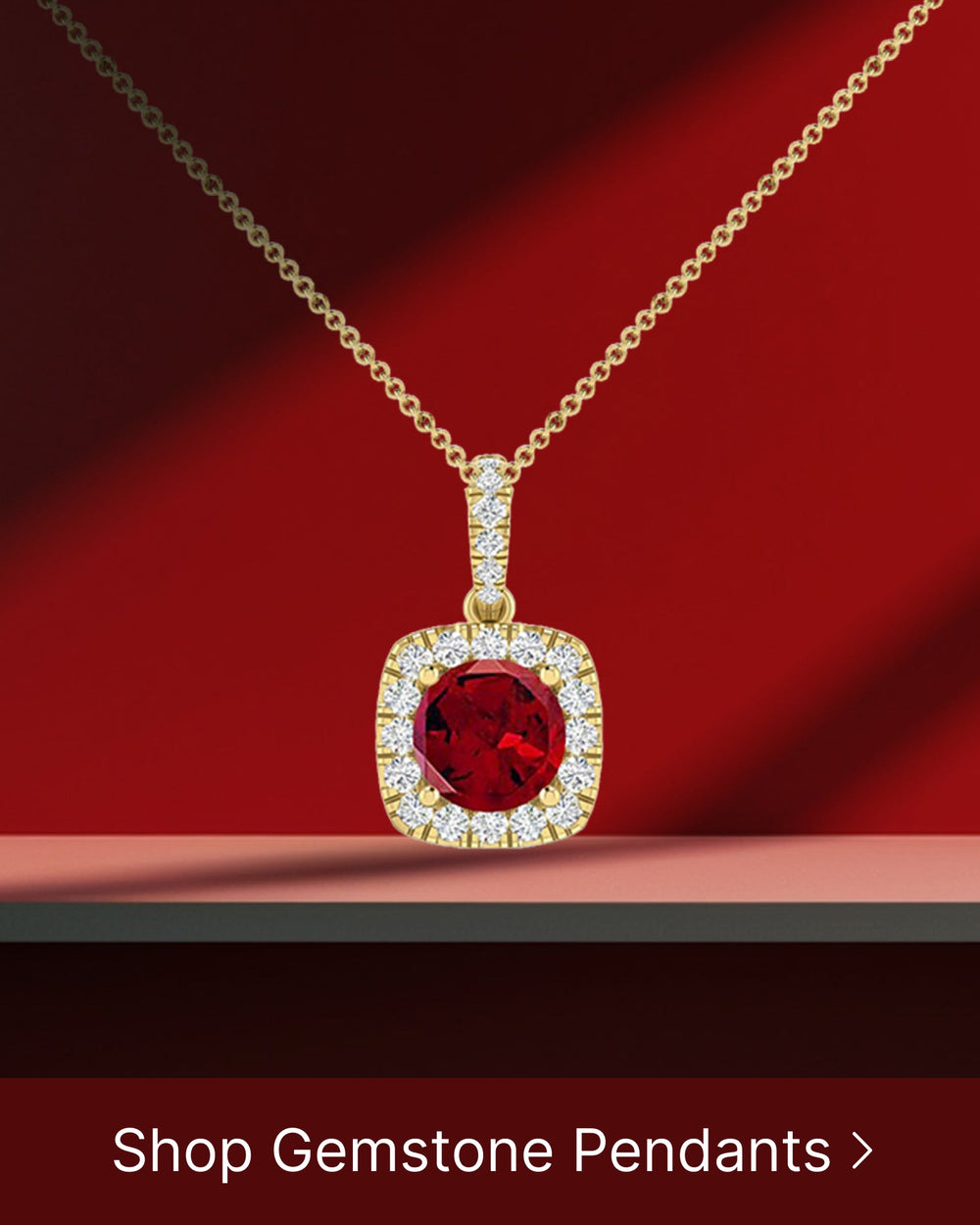
Diamonds have long been regarded as one of the most precious gemstones in the world. Their dazzling brilliance and enduring beauty have captivated humans for centuries. But beyond their physical attributes, diamonds hold deep symbolism and meaning in various aspects of human culture, history, and spirituality. Understanding the symbolism of diamonds can provide us with valuable insights into their significance in different areas of life.
Understanding the Symbolism of Diamonds
At its core, the diamond symbolizes strength, durability, and eternal love. These precious gemstones are formed under immense pressure and heat deep within the Earth, taking millions of years to reach their full potential. This process serves as a metaphor for the transformation and endurance that love and relationships require.
When we delve deeper into the symbolism of diamonds, we uncover a rich tapestry of historical significance and cultural interpretations that have shaped their meaning throughout the ages.
The Historical Significance of Diamonds
Throughout history, diamonds have held great significance. In ancient times, they were believed to possess magical qualities and were often worn by kings and rulers as a symbol of power and authority. The allure of diamonds was not only due to their rarity, but also their extraordinary beauty and brilliance.
Ancient civilizations, such as the Egyptians and the Greeks, revered diamonds for their perceived connection to the divine. The ancient Greeks considered diamonds to be tears of the gods, while the Romans believed they were splinters from fallen stars. These beliefs added to the mystique surrounding diamonds and elevated their status as objects of desire.
During the Middle Ages, diamonds became a symbol of wealth and status among the nobility. They were often used to adorn crowns, scepters, and other regal accessories, further cementing their association with power and authority.
In addition to their symbolic value, diamonds also played a practical role in history. Their hardness and durability made them ideal for cutting and engraving, making them a favored gemstone for creating intricate jewelry and decorative objects.
The Cultural Interpretations of Diamond Symbolism
Across different cultures, diamonds have taken on various symbolic meanings. In Chinese culture, diamonds represent morality, fidelity, and prosperity. They are believed to bring good luck and ward off negative energy, making them a popular choice for auspicious occasions such as weddings and celebrations.
In African culture, diamonds are viewed as a symbol of spiritual protection, healing, and wisdom. They are believed to possess powerful energy that can cleanse the spirit and promote emotional well-being. Diamonds are often used in traditional African rituals and ceremonies to invoke positive energy and connect with ancestral spirits.
In Western culture, diamonds are associated with purity, clarity, and innocence. This association stems from the diamond's ability to reflect and refract light, creating a dazzling display of brilliance. It is no wonder that diamonds have become synonymous with engagements and weddings, symbolizing the purity and eternal love between two individuals.
Furthermore, diamonds have become a timeless symbol of love and commitment. The tradition of giving a diamond engagement ring dates back to the 15th century when Archduke Maximilian of Austria proposed to Mary of Burgundy with a diamond ring. Since then, diamonds have become the ultimate symbol of love, representing the strength and endurance of a relationship.
As we reflect on the symbolism of diamonds, we are reminded of their multifaceted nature. From their historical significance to their cultural interpretations, diamonds continue to captivate our imagination and hold a special place in our hearts.
The Diamond in Literature and Art
The symbolism of diamonds has also found its way into literature and art, where they have become a motif for expressing multiple themes and ideas.
When it comes to classic literature, diamonds have played a significant role in conveying various concepts and messages. In F. Scott Fitzgerald's timeless masterpiece, "The Great Gatsby," diamonds symbolize more than just wealth and materialism. They represent the elusive American Dream, a glittering mirage that holds the promise of happiness and success, yet ultimately reveals its hollowness. The diamonds in the story serve as a reminder of the superficiality and emptiness that can accompany the pursuit of material possessions.
Similarly, in William Shakespeare's tragic play "Romeo and Juliet," the diamond takes on a different meaning. Here, it becomes a symbol of clarity and purity of love. Just as a diamond's brilliance and transparency are prized qualities, the love shared between Romeo and Juliet is portrayed as rare and precious. Their love, like a flawless diamond, shines brightly amidst the chaos and darkness of their feuding families.
Turning our attention to the realm of visual art, diamonds have long captivated the imaginations of artists across different mediums. Painters, sculptors, and photographers have all sought to capture the allure and mystique of these precious gemstones. The multifaceted nature and reflective properties of diamonds create a visually stunning spectacle that artists are drawn to.
In still life paintings, artists have adorned their canvases with diamond jewelry, creating compositions that exude opulence and luxury. The sparkling diamonds serve as focal points, catching the light and mesmerizing the viewer with their brilliance. These paintings not only celebrate the beauty of diamonds but also explore themes of wealth, status, and the desire for material possessions.
On the other end of the artistic spectrum, diamonds have inspired abstract sculptures that aim to capture their geometric form and transcendental qualities. Artists have experimented with different materials and techniques to recreate the mesmerizing facets of a diamond, creating sculptures that seem to defy gravity and challenge our perception of reality. These artworks invite us to contemplate the inherent beauty and complexity of diamonds, as well as the deeper meanings they can represent.
Whether in literature or art, diamonds continue to hold a special place as symbols of various themes and ideas. From the pursuit of wealth and materialism to the purity of love and the transcendence of beauty, diamonds offer a rich tapestry of meanings that continue to inspire and captivate audiences across different creative disciplines.
The Spiritual and Metaphysical Meanings of Diamonds
Beyond their worldly significance, diamonds are also imbued with spiritual and metaphysical meanings in many belief systems and practices.
When delving into the spiritual realm, diamonds hold a profound significance across various religious traditions. In Hinduism, these precious gemstones are associated with divine light, believed to possess spiritual powers that can bring clarity and enlightenment to those who seek it. The radiant brilliance of a diamond is seen as a reflection of the divine and is revered as a symbol of purity and spiritual awakening.
Similarly, in Buddhism, diamonds hold a special place in the realm of spirituality. They symbolize the transcendent state of mind, representing wisdom and the ultimate truth. Just as a diamond is formed through immense pressure and heat, the path to enlightenment requires perseverance and inner transformation. The diamond's unyielding strength and brilliance serve as a reminder of the potential within each individual to attain enlightenment.
Metaphysically, diamonds are believed to possess a wide range of healing properties. Beyond their physical beauty, these gemstones are said to enhance one's energy field, promoting balance and clarity in all aspects of life. The diamond's pure and powerful energy is thought to stimulate intuition and creativity, allowing individuals to tap into their inner wisdom and unlock their full potential.
Furthermore, diamonds are believed to have the ability to dispel negativity and promote inner strength and self-confidence. Like a beacon of light, they illuminate the path towards self-discovery and personal growth, helping individuals overcome obstacles and embrace their true selves. The diamond's strong and unbreakable nature serves as a reminder of the resilience and strength that lies within each person.
Diamonds as a Symbol of Wealth and Status
For centuries, diamonds have been sought after as a symbol of wealth, luxury, and social status.
The Diamond's Role in Fashion and Luxury
The allure of diamonds in the world of fashion and luxury is undeniable. From diamond studded watches to dazzling red carpet jewelry, diamonds have become synonymous with high-end fashion and opulence. Their rarity and exquisite beauty make them a coveted accessory for those who wish to make a statement of wealth and prestige.
Diamonds in the World of Celebrities and Royalty
Throughout history, diamonds have adorned the crowns, tiaras, and jewelry of monarchs and nobles. They have been a symbol of power, influence, and nobility. Today, diamonds continue to be favored by celebrities and royalty, with engagement rings and extravagant diamond jewelry often making headlines.
The Symbolism of Diamond Shapes and Colors
Not only do diamonds possess overall symbolism, but their shapes and colors also carry additional meanings.
The Meaning Behind Different Diamond Shapes
Each diamond shape has its own symbolism. Round diamonds symbolize eternity and perfection. Princess-cut diamonds represent power and strength, while pear-shaped diamonds are associated with creativity and individuality. The symbolism behind diamond shapes adds an extra layer of depth to the meaning of these precious gemstones.
The Significance of Diamond Colors
Diamond colors also hold symbolic significance. Clear, colorless diamonds symbolize purity and innocence. Yellow diamonds are associated with joy and happiness, while blue diamonds represent tranquility and spirituality. The different colors of diamonds allow for personalized symbolism and expression.
In conclusion, the diamond holds a multitude of symbolism and meaning across different aspects of human culture, history, and spirituality. From its historical significance to its role in literature, art, and religion, the diamond's beauty and enduring appeal go beyond its physical attributes. Whether as a symbol of eternal love, wealth, or spiritual enlightenment, diamonds continue to capture the imagination and hearts of people around the world.